
The deadliest attack on Mali’s military junta sees al-Qaeda affiliate JNIM join forces with Tuareg separatists for the first time, shaking the Sahel to its core.
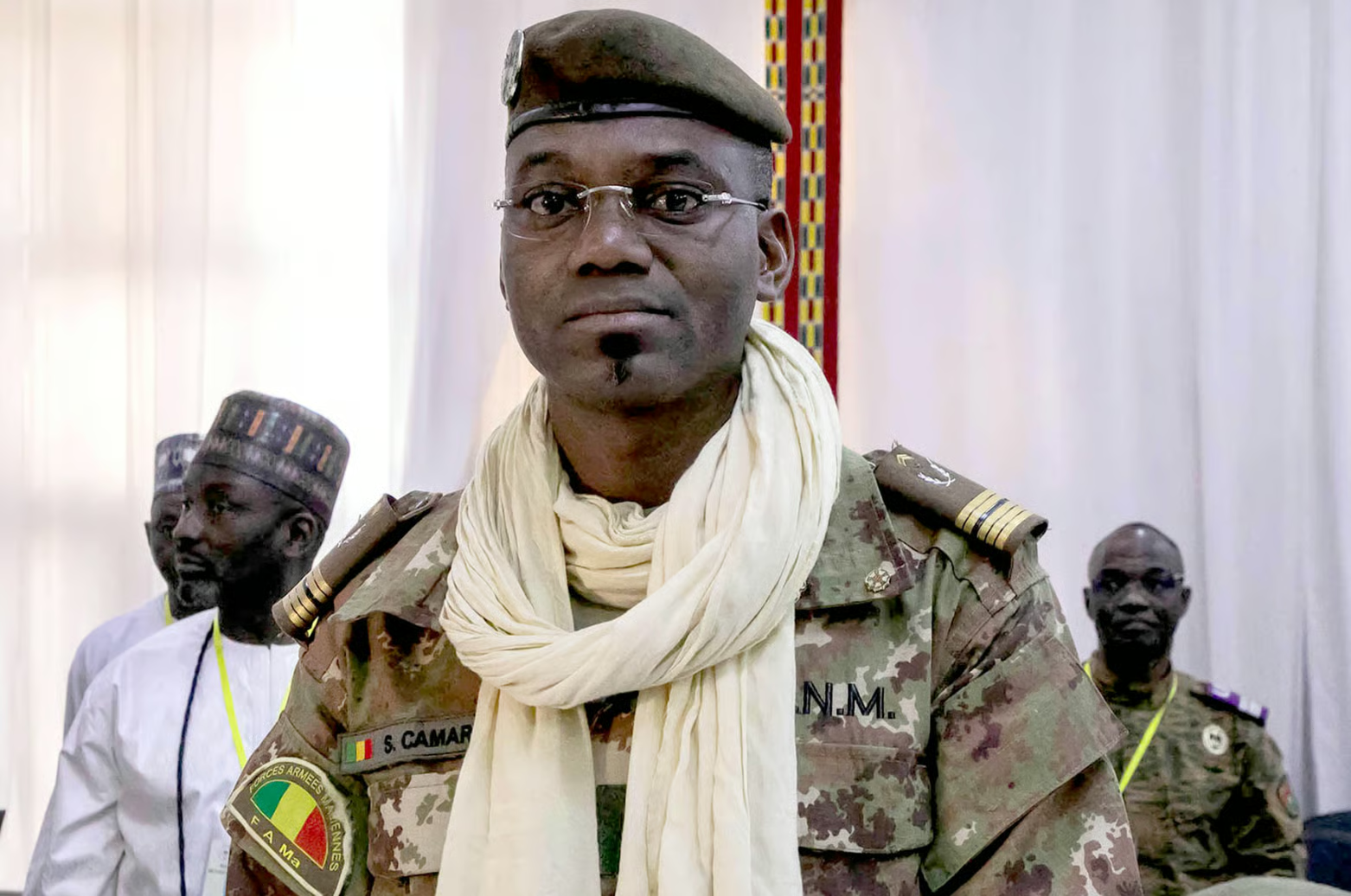
Mali’s Defence Minister General Sadio Camara was killed in a suicide truck bombing at his residence in Kati on Saturday, the government has confirmed, as the West African nation reels from the most devastating coordinated attack in its recent history. Camara died alongside his second wife and two grandchildren when a suicide bomber drove an explosive-laden vehicle into his home.
The confirmation of Camara’s death, made via the defence ministry’s Facebook page, represents a seismic blow to Mali’s ruling military junta. As one of the most powerful figures in the government of interim President General Assimi Goita, Camara was instrumental in reshaping Mali’s security partnerships — most notably the pivot away from France toward Russia’s Wagner Group, now rebranded as the Africa Corps.
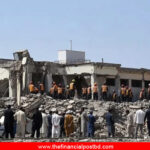
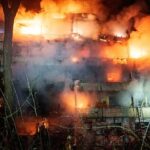
The attacks, which began on Saturday April 25, were unprecedented in their scale and coordination. Fighters from the al-Qaeda-linked Jama’at Nusrat al-Islam wal-Muslimin (JNIM) launched simultaneous assaults on Kati, Bamako, the Senou military airport, Sévaré, and Mopti. In a stunning development, JNIM coordinated with the Tuareg separatist Azawad Liberation Front (FLA) — the first time these two groups have joined forces.
The results have been catastrophic for the Malian state. The FLA has claimed full control of Kidal, the symbolic capital of the Tuareg north, where the Malian flag no longer flies. Sévaré, a strategically vital garrison town, remains split between government and rebel forces. Multiple military bases across the country have been overrun.
JNIM confirmed its involvement and stated that it had directly targeted the homes of both General Goita and General Camara. While Goita was moved to safety and remains ‘alive and well in a secure location,’ the strike on Camara’s home succeeded with devastating precision.
The coordinated nature of the assault has stunned analysts. ‘This is not just an escalation — it’s a paradigm shift,’ said one Sahel security researcher. The alliance between JNIM and the FLA suggests a level of strategic planning that Mali’s military and its Russian partners were unable to detect or prevent.
UN Secretary-General Antonio Guterres condemned the ‘acts of violence’ and expressed solidarity with the Malian people. The African Union has called an emergency session to discuss the security implications for the broader Sahel region.
By Sunday, the government stated that the attacks appeared to be over, but the situation remains deeply unstable. Questions persist about who controls key northern cities, and whether Mali’s security forces — already stretched thin across the vast country — can mount an effective response.
The attack also raises uncomfortable questions about Russia’s security guarantee to Mali. Moscow’s forces on the ground proved unable to prevent or repel the assault, potentially undermining the junta’s core justification for expelling French forces and UN peacekeepers in favour of Russian military support.
For the people of Mali and the wider Sahel, the message is grim: the security crisis that has engulfed the region shows no signs of abating. If anything, the emergence of a jihadist-separatist alliance suggests the worst may be yet to come.