

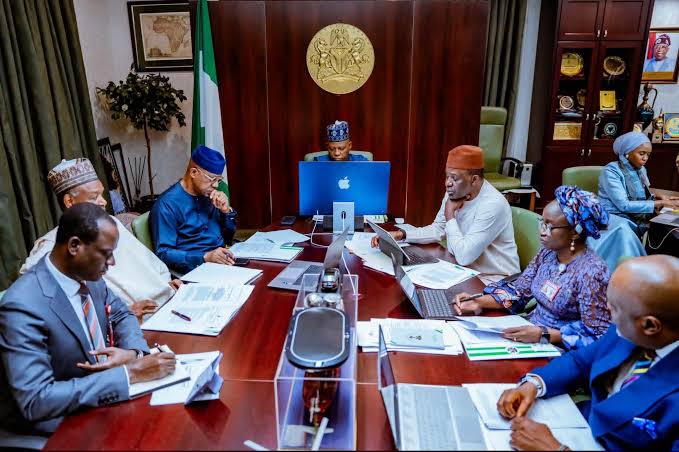
The Nigerian federal government this morning rolled out what it is calling the “five big fiscal
reforms” — a package designed, in the words of senior finance officials, to “woo investors and
engender growth” in Africa’s most populous economy. The announcement, made in Abuja and
reported first by Premium Times at 10:23 UTC, is the most aggressive signalling move Bola
Tinubu’s administration has made toward global capital markets since the tax reform bills were
signed earlier this year.
At the heart of the package is a frank admission that even senior officials now acknowledge
publicly: Nigeria’s fiscal data is hard to find, often outdated, and inconsistent across agencies.
“People say, and we agree with them, that it’s difficult to find data about Nigeria, especially from
the fiscal side. Something as important as our tax-to-GDP ratio, you can’t find it easily,” a top
finance ministry official said at the unveiling. Transparency, in other words, is now a product
being pitched to foreign investors.
The five pillars, as outlined this morning, cover revenue administration, debt management,
public financial management, intergovernmental fiscal relations, and fiscal transparency. Each is
paired with time-bound milestones and, critically for investors, a public dashboard that will be
regularly updated and audited. The move follows President Tinubu’s controversial decisions last
year to scrap the fuel subsidy and float the naira — both of which hammered household budgets
but opened room for the kind of structural moves announced today.
The reforms build on the four tax laws signed earlier this year that stripped tax collection powers
from the Nigeria Customs Service, the Nigerian Upstream Petroleum Regulatory Commission
and various ministries, consolidating that authority in the newly created Nigeria Revenue Service
(NRS). Officials cite more than $6 billion in fresh investments already attributed to the reform
agenda.
But the backdrop is tough. Just this week, the International Monetary Fund publicly warned
Nigeria against caving to political pressure to restore the blanket petrol subsidy, urging instead
targeted cash transfers to vulnerable households. Inflation remains stubborn, the naira is still
volatile, and food prices continue to bite — making the government’s pitch of “credibility” a hard
sell at kitchen tables in Lagos, Kano and Port Harcourt.
The political reaction has been swift. Within hours of the announcement, Minister of the Federal
Capital Territory Nyesom Wike, Osun Governor Ademola Adeleke, and Anambra Governor
Chukwuma Soludo — all newly expanded members of the APC presidential campaign council
for 2027 — publicly endorsed the package. The opposition PDP and Labour Party have yet to
formally respond, but senior figures have privately signalled scepticism, noting that previous
reform packages have been long on announcement and short on delivery For international investors, the key question is not the ambition of the plan but the execution.
Nigeria has a long history of unveiling reform packages at IMF/World Bank meetings and letting
momentum fade. What is different about today’s announcement, officials argue, is the embedded
data-publication requirements and the deadlines attached to each pillar — including a 2027 target
for an upgraded sovereign credit rating.
Finance Minister Wale Edun, who has been the public face of the agenda, has repeatedly
described the reforms as “scaling competitiveness” and said investor incentives already granted
will be “secure and protected” even as the tax architecture changes. That promise matters: several
multinationals paused Nigerian expansion plans during the uncertainty of the subsidy and FX
reforms.
For ordinary Nigerians, the test is simpler: will any of this show up in the price of a bag of rice, a
litre of petrol, or the exchange rate at a BDC in Wuse? The government is betting that credibility
with foreign capital eventually translates into jobs and prices at home. Nigerians have heard that
bet before.
The next 90 days — and whether the promised dashboards actually go live — will tell us if this
one is different.