

Rescue teams off the coast of Kébémer in northwestern Senegal resumed operations at first light
today, as the death toll from the weekend capsize of a migrant boat climbed and families across the
country searched for information on missing relatives. State news agency APS put the confirmed
death toll at 34 this morning, with only one survivor recovered alive. Other outlets, citing earlier
interior-ministry figures, placed the toll at 21. Officials have warned that the final number could rise
sharply once search operations conclude.
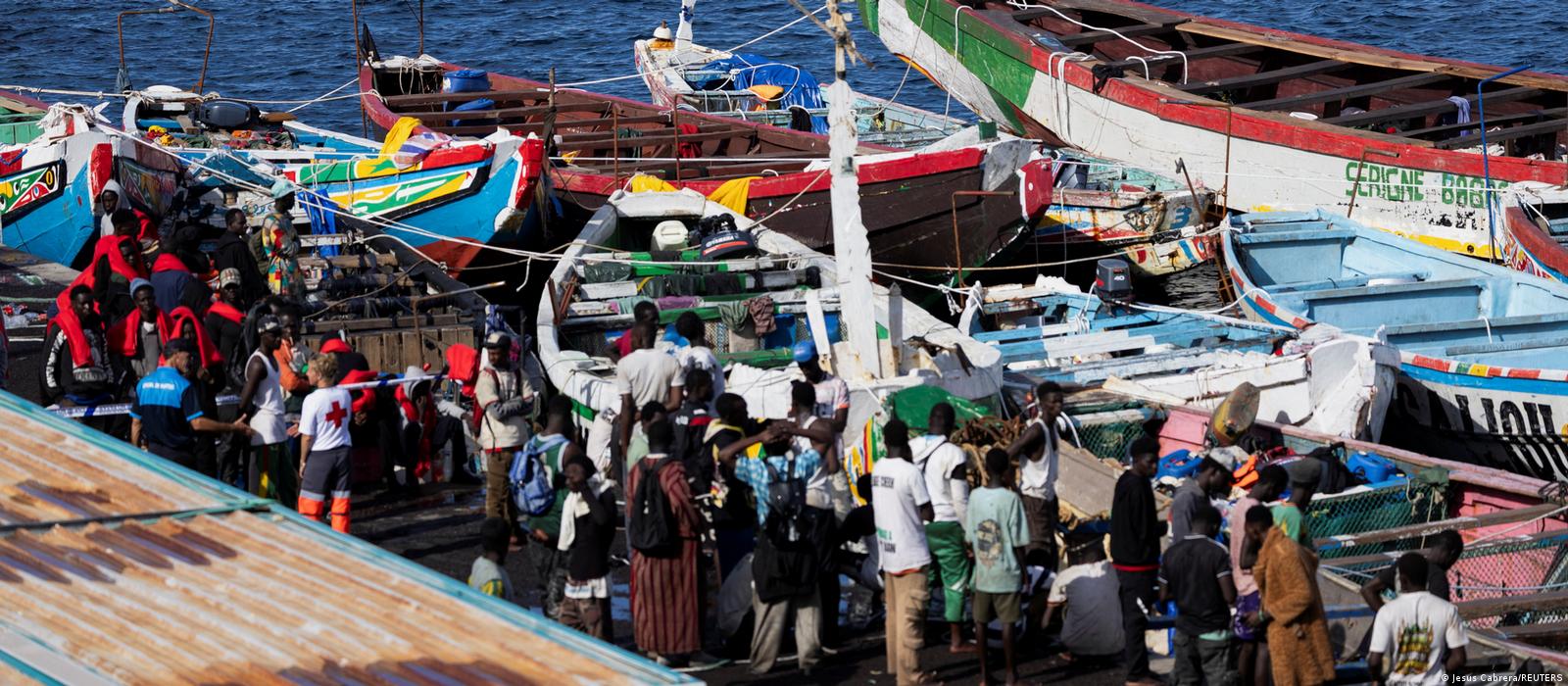
The pirogue — a long wooden canoe used by West African fishermen and increasingly by migrants
bound for the Canary Islands — sank in heavy swells roughly 180 kilometres north of Dakar.
Authorities have not confirmed how many people were on board, but survivors of similar crossings
typically describe boats packed with between 100 and 200 passengers.
The single known survivor, plucked from the water by local fishermen on Sunday evening, is being
treated at a hospital in Louga, APS reported. Interior Ministry spokesperson Mamadou Dieng said
the man was dehydrated but conscious and had told investigators the pirogue departed from the
Senegalese coast several days ago, intending to reach El Hierro in Spain’s Canary Islands.
Senegalese President Bassirou Diomaye Faye issued a statement overnight expressing his “deepest
sorrow” and ordering an investigation into the smuggling network behind the voyage. He pledged
the “full force” of state agencies to identify the dead and support bereaved families. Three suspects
have reportedly been detained in the coastal town of Lompoul, where the pirogue is believed to
have launched.
The capsize is the deadliest single incident in the Atlantic migration route so far this year. The Canary
Islands route has surged back into deadly prominence over the past 18 months as crackdowns in
Libya and Tunisia pushed sub-Saharan migrants westward. Spanish authorities on El Hierro declared
a local emergency last week after more than 1,500 migrants arrived in 72 hours, overwhelming
reception centres and overland transfers.
Senegal’s own political backdrop has sharpened the crisis. President Faye, who swept to power last
year on a platform of economic sovereignty and job creation for the country’s under-25s — two thirds of the population — has struggled to contain youth unemployment that drives many to make
the crossing. Rights groups argue that European pressure on Dakar to intercept boats has pushed
departures to riskier, less-monitored stretches of coastline like Kébémer.
Only two days before the Kébémer sinking, Senegalese authorities intercepted another pirogue
carrying 142 migrants bound for Spanish territory. The International Organization for Migration says
more than 1,200 people have died or disappeared on the Atlantic route in 2026, though NGOs like
Caminando Fronteras warn the real figure is almost certainly double.
In the fishing community of Lompoul this morning, grieving relatives gathered outside the
gendarmerie waiting for news. “My son told me he was going to work in Dakar,” one woman told
reporters, clutching a passport photo. “I did not know he was in that boat until this morning.”
The European Union said Monday it would release additional emergency funding to Senegal for
maritime rescue operations and family support. But for communities along Senegal’s northwestern
coast, each new tragedy underscores the same unanswered question: how many more pirogues are
already at sea tonight?