
The British monarch used a rare 30-minute address to a joint session of Congress to deliver pointed messages on alliance unity, diversity, and defending Ukraine.
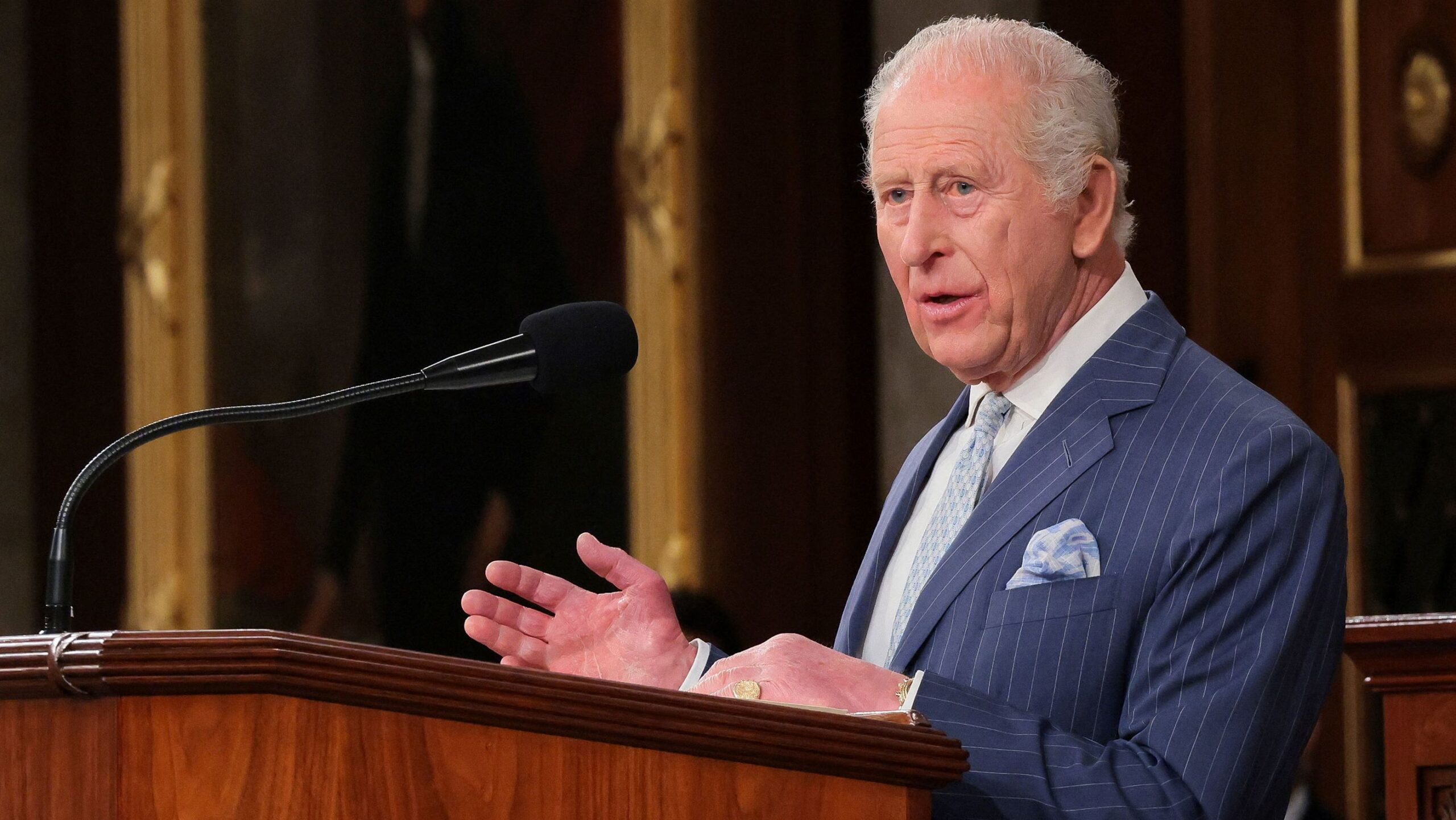
King Charles III stood before a joint session of the United States Congress on Tuesday and delivered what may be the most politically charged royal address in modern history, weaving celebrations of the 250-year Anglo-American bond with unmistakable challenges to the Trump administration on NATO, Ukraine, and democratic values.
The speech, only the second time a reigning British monarch has addressed Congress, came on the second day of a four-day state visit marking the United States Semiquincentennial. Charles received multiple standing ovations during the 30-minute address, but it was the content between the applause lines that set Washington buzzing.
The King opened with a solemn reference to Saturday’s shooting at the White House Correspondents’ Dinner, in which suspect Cole Tomas Allen opened fire at a security checkpoint. “Such violent acts will never succeed in undermining the freedoms we cherish,” Charles said, his voice steady. He then pivoted to remembering the victims of 9/11, drawing a direct line to collective defense.
“In the immediate aftermath of 9/11, when NATO invoked Article 5 for the first time, and the United Nations Security Council was united in the face of terror, we answered the call together as our people have done for more than a century,” Charles told lawmakers. The reference to NATO’s mutual defense clause was widely interpreted as a rebuke of Trump’s repeated criticism of the alliance and his administration’s signals about reducing American commitments to European security.
The most politically charged passage came when Charles addressed the war in Ukraine. Without naming Trump directly, the King called for “unyielding resolve” in the defense of Ukraine against Russian aggression. The line drew a bipartisan standing ovation, a striking visual given the deep divisions among congressional Republicans over continued military aid to Kyiv.
Charles also highlighted the United Kingdom’s increased defense spending, which now exceeds 2.5 percent of GDP, subtly contrasting British commitment to collective security with American wavering. He praised the strength of democratic institutions and the importance of checks on executive power, themes that observers noted carried particular resonance in the current American political climate.
Beyond security, the King wove in messages about diversity and interfaith understanding that felt deliberately calibrated to contrast with the administration’s restrictive immigration policies, including the recent travel ban affecting 39 countries. “The strength of our nations has always been found in the richness of our diversity,” Charles said, “in the willingness to welcome those who contribute to our shared story.”
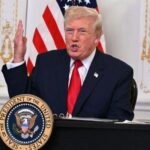
The diplomatic stagecraft was remarkable. By embedding his critiques within celebrations of shared history and values, Charles made it nearly impossible for the White House to take offense without appearing to reject the very principles the visit was meant to celebrate. At the state dinner that evening, Trump appeared unfazed, greeting Charles warmly and calling the speech “great.”
Behind the scenes, the calculus was more complex. British officials have been navigating the Trump relationship with extreme care, aware that the post-Brexit UK needs American trade and security partnerships more than ever. The state visit itself was a significant diplomatic win for London, and Charles was careful to balance his pointed messages with generous praise for American leadership and innovation.
The King also took moments for humor, joking about Trump’s controversial East Wing ballroom renovation project and referencing the irony of a British monarch celebrating the anniversary of American independence from the crown.
The visit continues today with the royal couple traveling to New York City, where they will visit the September 11 Memorial, meet first responders and families of victims, and attend community events in Harlem. Queen Camilla will present a specially made Roo toy to the New York Public Library to mark the centenary of Winnie-the-Pooh, completing the library’s collection of characters.
For the broader US-UK relationship, the speech may prove to be a defining moment. Charles demonstrated that the British monarchy retains a unique ability to speak uncomfortable truths to American power, cloaked in the pageantry and goodwill that no elected foreign leader could replicate.