

The U.S. Federal Aviation Administration (FAA) has selected artificial intelligence startup Air Space Intelligence (ASI) to help modernize the country’s air traffic management system, marking a major step toward using AI to improve the efficiency of U.S. airspace operations.
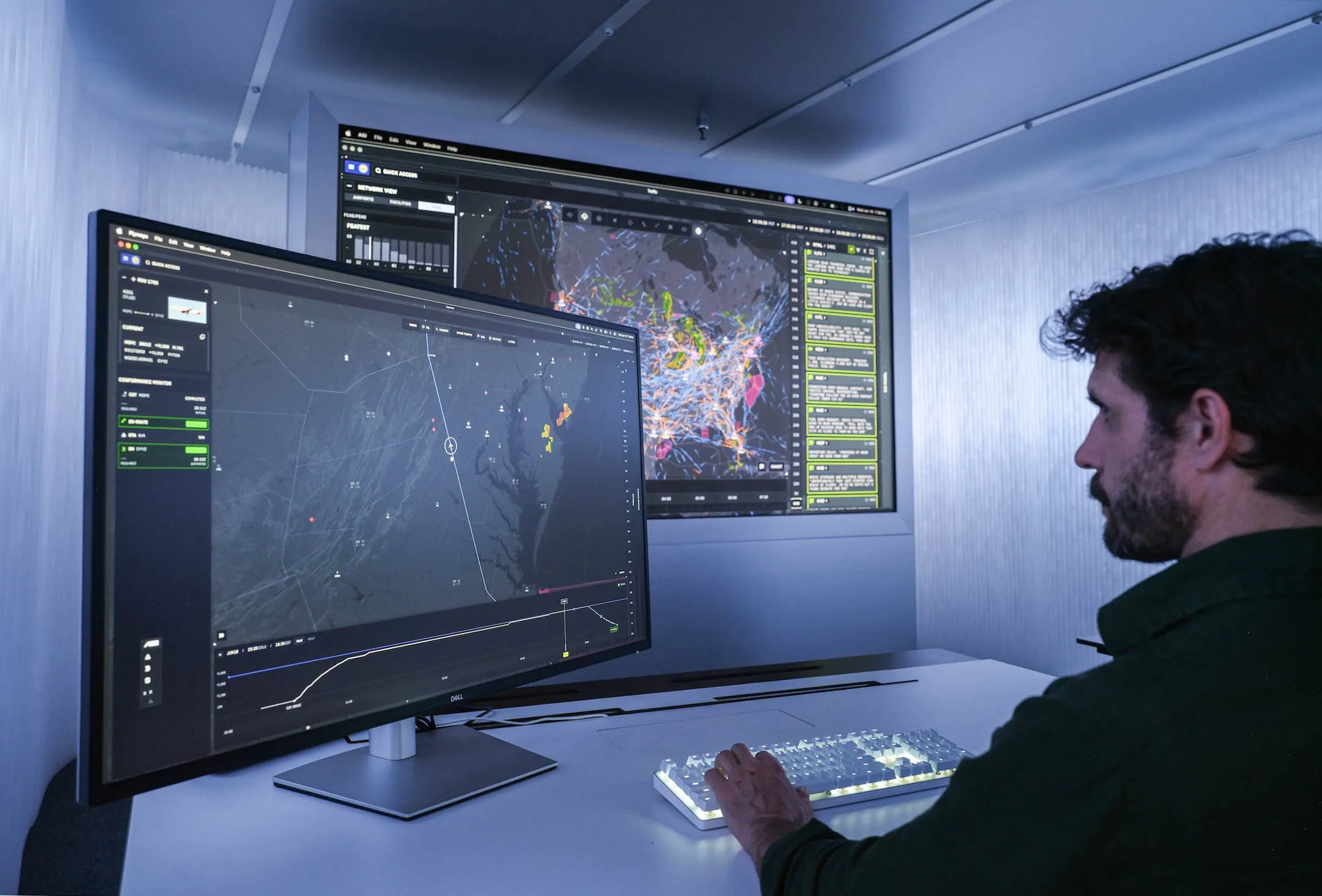
Under the agreement, ASI will provide AI-powered software designed to optimize aircraft routing, predict congestion, improve traffic flow and support air traffic controllers in managing one of the world’s busiest aviation networks.
The modernization effort comes as the FAA seeks to address growing pressure on the U.S. aviation system, which has faced increasing flight delays, staffing challenges and rising passenger demand. Officials say AI will complement, rather than replace, human air traffic controllers by providing real-time decision support and predictive analytics.
ASI’s platform analyzes large volumes of operational data, including weather conditions, aircraft movements, airport capacity and airspace restrictions, to recommend more efficient flight paths and reduce bottlenecks across the national airspace system.
According to the FAA, the project is part of a broader effort to upgrade aging aviation infrastructure and improve the resilience of the country’s air traffic management network. The agency said the deployment will be phased, with testing and integration taking place before wider implementation.
Industry experts say AI could significantly improve operational efficiency by reducing delays, lowering fuel consumption and helping airlines respond more quickly to disruptions caused by weather or other operational constraints.
The agreement also reflects the growing role of artificial intelligence in critical infrastructure, as governments increasingly turn to AI-driven systems to improve transportation, logistics and public services while maintaining strict safety oversight.
Despite the technological advances, aviation authorities stressed that safety remains the highest priority. Human controllers will continue to make operational decisions, with AI serving as an advisory tool to enhance situational awareness and support more informed decision-making.
If successfully implemented, the initiative could represent one of the most significant technological upgrades to U.S. air traffic management in decades, potentially reshaping how aircraft are routed and managed across American airspace while setting a benchmark for other aviation authorities worldwide.