

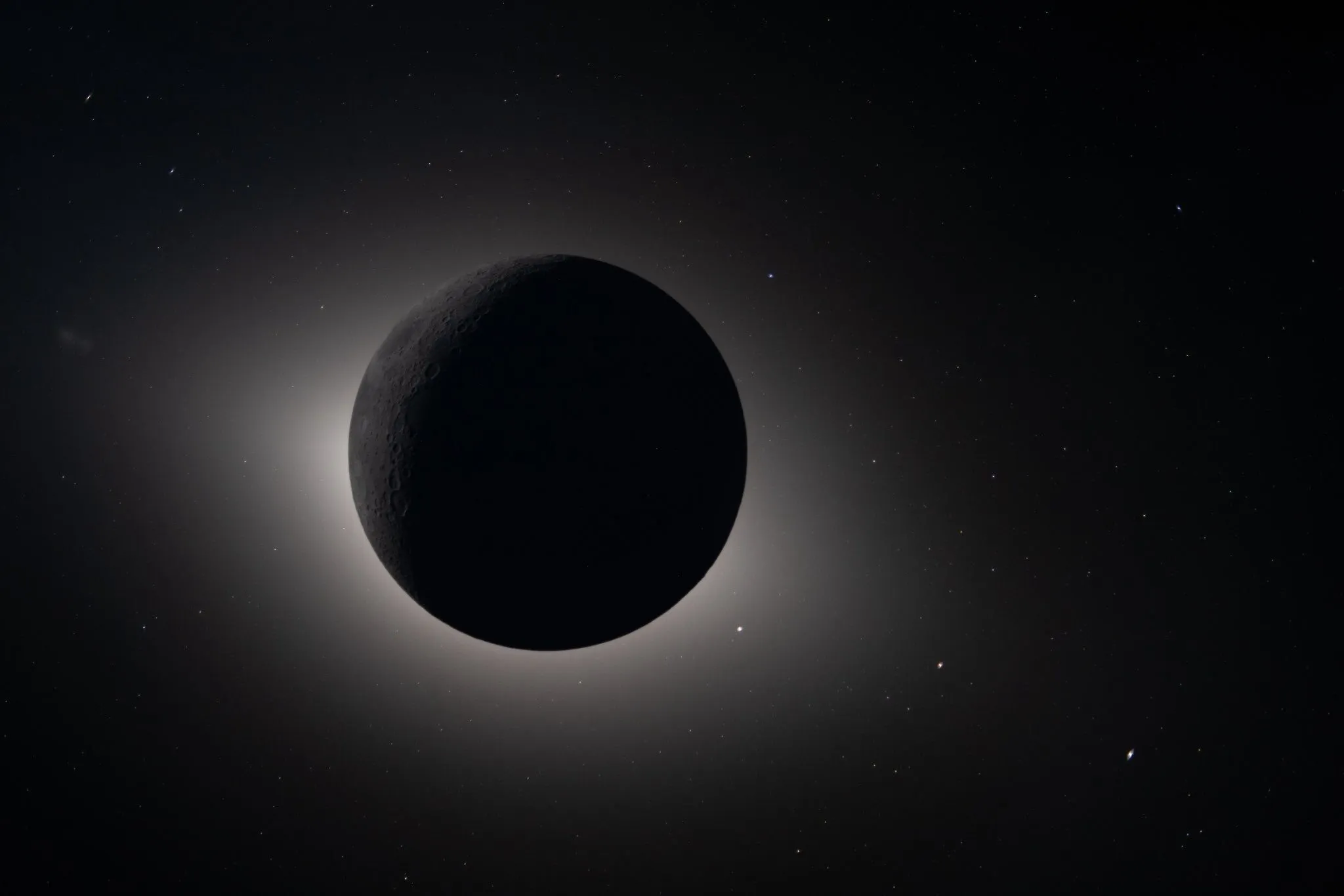
A rare total solar eclipse crossed parts of Greenland, Iceland and northern Spain on Wednesday, drawing hundreds of thousands of visitors and millions of skywatchers to witness one of the most spectacular astronomical events of the decade. (AP News)
The Moon’s shadow first passed over eastern Greenland before moving across western Iceland and the North Atlantic, eventually reaching northern Spain and a small part of Portugal just before sunset. Along the path of totality, daylight briefly turned to darkness as the Moon completely obscured the Sun, revealing its outer atmosphere, or corona. (NASA Science)
In Spain, authorities activated extensive safety and traffic plans as an estimated 500,000 additional visitors traveled to the country for the eclipse. More than 33,000 security personnel were deployed, while access to some viewing areas was restricted because of extreme heat and wildfire risks. Demand for certified eclipse glasses also surged ahead of the event. (AP News)
Iceland experienced its first total solar eclipse visible from Reykjavík in nearly 600 years, with thousands of visitors gathering along the west coast despite concerns about cloud cover. Totality lasted between 30 seconds and just over two minutes, depending on the viewing location. (Island)
Outside the narrow path of totality, a partial solar eclipse was visible across much of Europe, northern North America and parts of northwestern Africa, allowing millions more people to observe the event with proper eye protection. (NASA Science)
Astronomers described the eclipse as one of the most significant celestial events of 2026. NASA and the European Space Agency (ESA) organized live broadcasts and scientific observations to study the Sun’s corona and gather data on the eclipse’s effects on Earth’s atmosphere. (NASA Science)
Scientists reminded observers that the Sun can only be viewed safely without protective eyewear during the brief period of totality. At all other stages of the eclipse, certified solar viewing glasses or specialized filters were required to prevent permanent eye damage. (NASA Science)
The eclipse is the first total solar eclipse visible from mainland Europe since 1999 and is expected to be followed by another major eclipse crossing parts of Spain and North Africa in 2027. (timesofindia.indiatimes.com)