
President sacks NMDPRA chief Saidu Mohammed amid aviation fuel crisis, Dangote refinery tensions, and airline shutdown threats — then names a Dangote executive as his replacement.
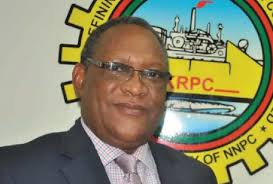
President Bola Tinubu has fired the head of Nigeria’s petroleum regulatory authority after just four months on the job — and the man found out while he was on official duty in Germany.
Saidu Mohammed, the Chief Executive of the Nigerian Midstream and Downstream Petroleum Regulatory Authority (NMDPRA), was removed from his position on Tuesday in a move that has sent shockwaves through Nigeria’s oil and gas sector. In his place, Tinubu has nominated Rabiu Abdullahi Umar, a former top executive at Dangote Group, pending Senate confirmation.
The official statement was brief and bureaucratic: the removal was made “in the public interest” and aimed at “strengthening regulatory effectiveness in the midstream and downstream petroleum sector.” But behind the dry language lies a storm of industry tensions that made Mohammed’s position increasingly untenable.
Mohammed took over the NMDPRA in December 2025, replacing Farouk Ahmed. His tenure, short as it was, coincided with some of the most turbulent months in Nigeria’s downstream petroleum sector.
The most immediate pressure came from Nigeria’s aviation industry. Members of the Airline Operators of Nigeria have been threatening to shut down operations entirely over the soaring cost of aviation fuel, also known as Jet A1. Airlines argue that fuel costs have made domestic routes financially unsustainable, and they have publicly pointed the finger at the NMDPRA for failing to intervene.
A nationwide airline shutdown would be catastrophic — grounding flights, stranding passengers, and dealing a blow to an economy that depends on air connectivity across its vast territory. The threat alone was enough to put the NMDPRA under intense political scrutiny.
Then there was the Dangote factor.
The Dangote Petroleum Refinery, Africa’s largest, has been locked in an ongoing dispute with the regulatory authority over fuel importation licences. Dangote has complained that the NMDPRA was continuing to issue licences for fuel imports despite publicly claiming that no such licences had been approved since the beginning of the year. The discrepancy raised questions about transparency and whose interests the regulator was serving.
The appointment of Rabiu Abdullahi Umar as Mohammed’s replacement has only added fuel to that debate. Umar is a former Group Sales and Marketing Director at Dangote Cement, with over 20 years of experience in senior executive roles within Aliko Dangote’s business empire. His nomination immediately raised eyebrows.
Critics have already questioned whether installing a Dangote veteran at the helm of the agency that regulates the petroleum downstream sector — the very sector where Dangote is now the dominant player with its mega-refinery — creates a conflict of interest. Supporters counter that Umar brings deep private-sector expertise and an understanding of the industry’s commercial realities that a regulator sorely needs.
For Mohammed, the manner of his dismissal adds insult to injury. Being sacked while representing Nigeria at an official engagement abroad is widely seen as a humiliating exit. It also raises questions about whether the decision was sudden or had been in the works — and what, specifically, triggered the final call.
The speed of Mohammed’s removal — just four months into a role where his predecessor lasted years — suggests that the Tinubu administration has little patience for regulatory heads who cannot navigate the competing pressures of Nigeria’s energy transition. The country is caught between the demands of a powerful domestic refinery, the expectations of fuel importers, the needs of airlines, and the everyday Nigerians who feel the pinch of fuel prices at every level of the economy.
The Senate will need to confirm Umar before he can officially take office. Given the political dynamics surrounding the appointment, confirmation hearings could prove contentious.
One thing is clear: Nigeria’s petroleum sector remains one of the most politically charged spaces in the country. And for the people who run its regulatory agencies, the job security is measured in months, not years.
This is a developing story. The NMDPRA has not issued a public response to the leadership change.