
Matatus, buses, boda bodas and truckers shut down nationwide at midnight,
stranding thousands and forcing Ruto into a high-stakes standoff Dawn broke over Nairobi today on a city without buses. By sunrise, Thika Road, Mombasa
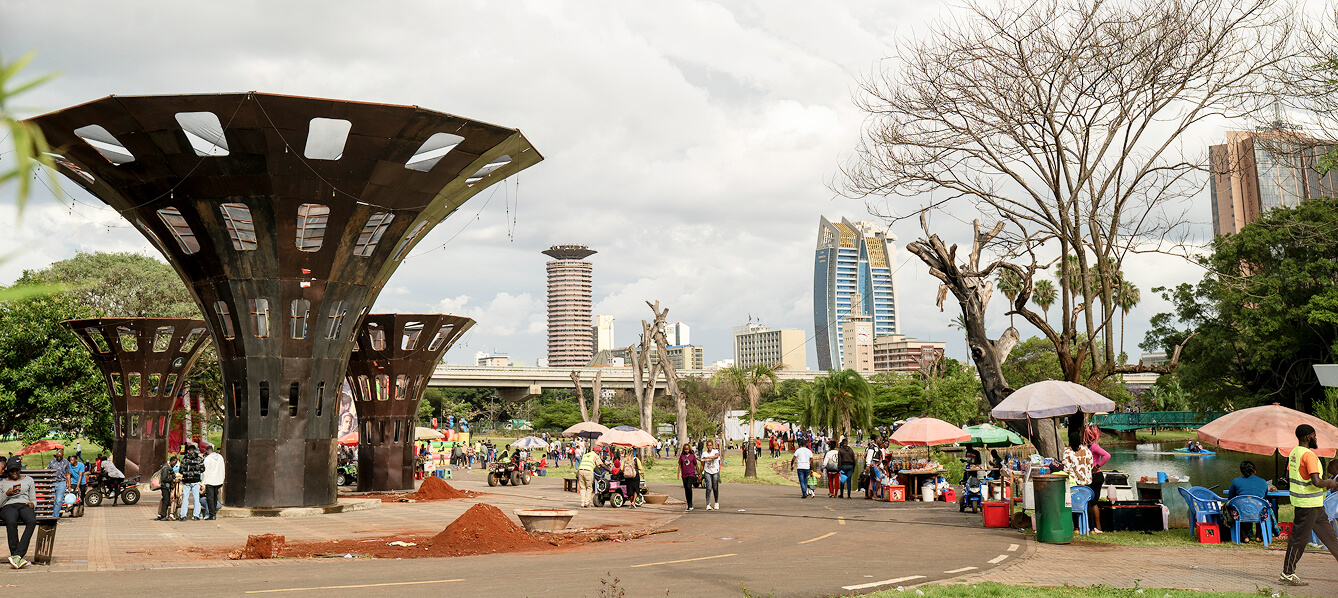
Road and Waiyaki Way — three of the busiest arteries in East Africa — were filled not with
matatus but with people walking, shoulder to shoulder, toward jobs they were already late for.
Kenya’s largest coordinated transport strike in modern memory began at midnight. By the time
most Kenyans were finishing breakfast, the country’s matatus had vanished from the roads,
boda bodas had logged out of ride-hailing apps, and long-haul truckers had parked their rigs
along highways from Mombasa to Busia.
The trigger was a number. On May 14, the Energy and Petroleum Regulatory Authority (EPRA)
published its latest monthly pricing cycle. Super petrol jumped by 16.65 shillings a litre to 214.25
shillings. Diesel — the lifeblood of trucks, generators and most matatus — leapt by a staggering
46.29 shillings, reaching 242.92 shillings per litre.
For an industry running on razor-thin margins, that was the breaking point.
The Transport Sector Alliance, an umbrella group covering passenger transport, cargo and
logistics, ride-hailing, motorcycle transport, tourism transport, driving schools, school buses and
private motorists, declared a nationwide shutdown. It is one of the broadest industrial actions
Kenya has ever seen — uniting groups that more often compete than cooperate.
Their demands are blunt: immediate withdrawal of the May 14 price hike, harmonisation of fuel
prices to stop the illegal adulteration of diesel with kerosene, and the outright disbandment of
EPRA, which they accuse of failing Kenyans through what one stakeholder described as
‘exploitative pricing.’
The economic shock is already being measured. The Kenya National Chamber of Commerce
and Industry warned that the new fuel prices could slash micro and small business profit
margins by up to 15 per cent, while sharply increasing the cost of transport, manufacturing and
food distribution. Schools in several counties closed for the day. Hospitals reported staff arriving
hours late. Markets opened half-empty.
Some commuters tried to improvise. Matatu fares, where vehicles ran at all, were reported to
have spiked by 50 per cent. Boda boda riders who broke ranks with the strike to keep working
were chased off in some neighbourhoods. Office workers in Westlands and Upper Hill walked in
from as far as Ruaka and Ngong — a 10- to 15-kilometre trek.
Politically, the strike has put President William Ruto in his tightest corner since taking office in
Ruto rose to power promising relief to the ‘hustler nation’ — the small traders, drivers and informal workers who form the backbone of the Kenyan economy. Those are precisely the
people walking today.
The government’s options are narrow. Holding the line on EPRA’s pricing formula — which the
National Treasury has long defended as essential to fiscal discipline and IMF commitments —
risks letting the disruption spread into a second day, a third, and beyond. Caving and rolling
back the price hike risks blowing a hole in tax revenue and unraveling the architecture that
underpins the country’s loans.
Behind closed doors, Cabinet officials were reportedly meeting through the morning to weigh a
response. Sources cited by local media say a price-stabilization announcement could come
within 24 hours. But protest leaders say nothing less than a full reversal will end the strike.
Kenya has been here before. In 2023, similar anger over a finance bill ignited the Gen Z
protests that shook Ruto’s first year in office. Today’s strike feels different. It is older, more
organised, and more economically painful. The grievance is not abstract — it is the price at the
pump, repeated at every till, every fare box, every school gate.
By midday, Nairobi was still walking. And the rest of Kenya was holding its breath, waiting to
see whether the president would blink first, or the road would.