
Africa’s richest man reaches a historic Forbes milestone as his refinery eyes a $40-50 billion listing across six stock exchanges, including Ethiopia’s new bourse.
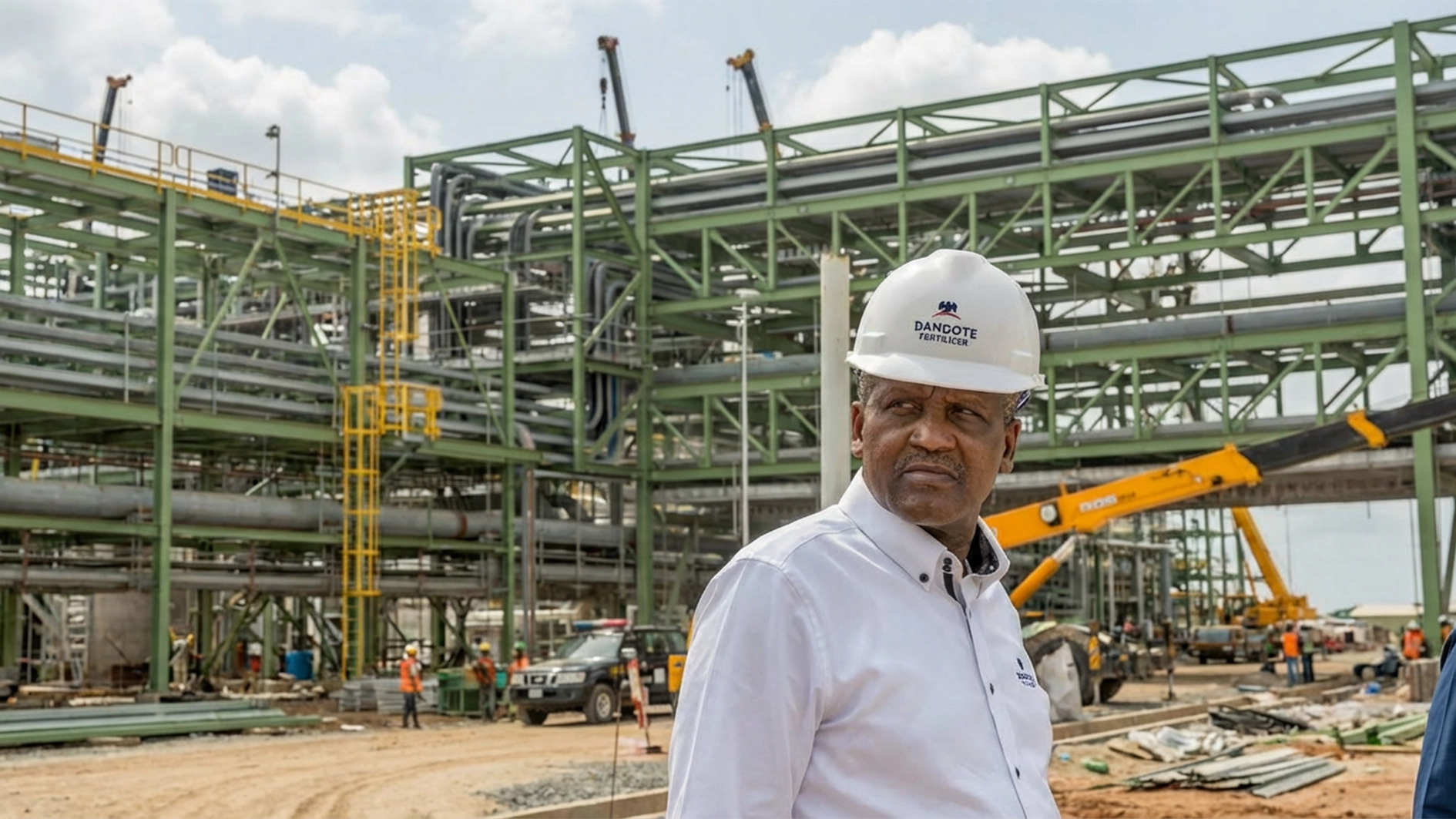
Aliko Dangote has officially crossed the $30 billion threshold on the Forbes real-time billionaires tracker, reaching $30.3 billion and cementing his status as not just Africa’s wealthiest person but a genuine contender in the upper echelon of global wealth. The milestone, confirmed this week, closes a long-standing gap between the two major wealth trackers, with Bloomberg having already placed him above the mark weeks ago.
The catalyst behind the surge is no mystery. The Dangote Refinery, a 650,000-barrel-per-day behemoth on the outskirts of Lagos, has transformed from a perennially delayed mega-project into the engine of Dangote’s fortune. The facility now supplies over 90 percent of Nigeria’s petrol demand and 95 percent of its jet fuel, generating billions in revenue and fundamentally reshaping West Africa’s energy landscape.
But the billionaire is not content to simply operate the refinery. In what may be the most ambitious capital markets event in African history, Dangote is preparing a pan-African IPO that could value the refinery at between $40 billion and $50 billion. The primary listing is targeted for the Nigerian Exchange between June and July 2026, with simultaneous or secondary listings planned across the Johannesburg Stock Exchange, Nairobi Securities Exchange, Ghana Stock Exchange, Ethiopian Securities Exchange, and the BRVM, which covers eight West African countries.
The Ethiopian angle is particularly fascinating. The Ethiopian Securities Exchange, which only opened in January 2025, currently has just four listed companies. A Dangote listing would be its first major cross-border offering and would extend the IPO’s reach into a market of 120 million people with virtually no prior equity culture. If executed, it would mark a transformative moment for Ethiopian capital markets.
“This isn’t just an IPO. It’s an attempt to create a truly pan-African investment product,” said Razia Khan, managing director and chief economist for Africa and the Middle East at Standard Chartered. “Nothing of this scale has been attempted before on the continent.”
The IPO structure itself is innovative. Dangote plans to float between 5 and 10 percent of the business. Investors would subscribe for shares in naira on the Nigerian Exchange but would have the option to receive dividends in US dollars, drawn from the refinery’s projected $6.4 billion in annual export revenue. This dollar-denominated dividend feature is designed to attract both domestic and international investors wary of naira volatility.
Meanwhile, Dangote has announced plans to expand the refinery to 1.4 million barrels per day, a move he says will create 95,000 new jobs. The expansion would make it the largest single refinery complex in the world by a significant margin, surpassing India’s Jamnagar refinery.
For Africa’s capital markets, the implications are profound. A successful multi-exchange listing could demonstrate that the continent’s bourses can handle large-scale, cross-border transactions, potentially paving the way for future pan-African listings and deepening the continent’s still-shallow capital pools.
Dangote’s wealth trajectory reflects broader shifts in Africa’s economic story. A decade ago, commodity traders and mining magnates dominated the continent’s rich list. Today, it is an industrialist who refines oil rather than simply extracting it who sits at the top, a symbol of the value-addition narrative that African economists have advocated for generations.
At 69, Dangote shows no signs of slowing down. He has publicly stated a target of $100 billion in annual group revenue by 2030, backed by $40 billion in planned investments. Whether he reaches that goal remains to be seen, but the $30 billion personal wealth milestone suggests the market, at least, is betting in his favor.