

A four-year-old political party led by a former rapper has just delivered one of the most stunning electoral landslides in modern Asian history – and the implications stretch far beyond the Himalayan nation.
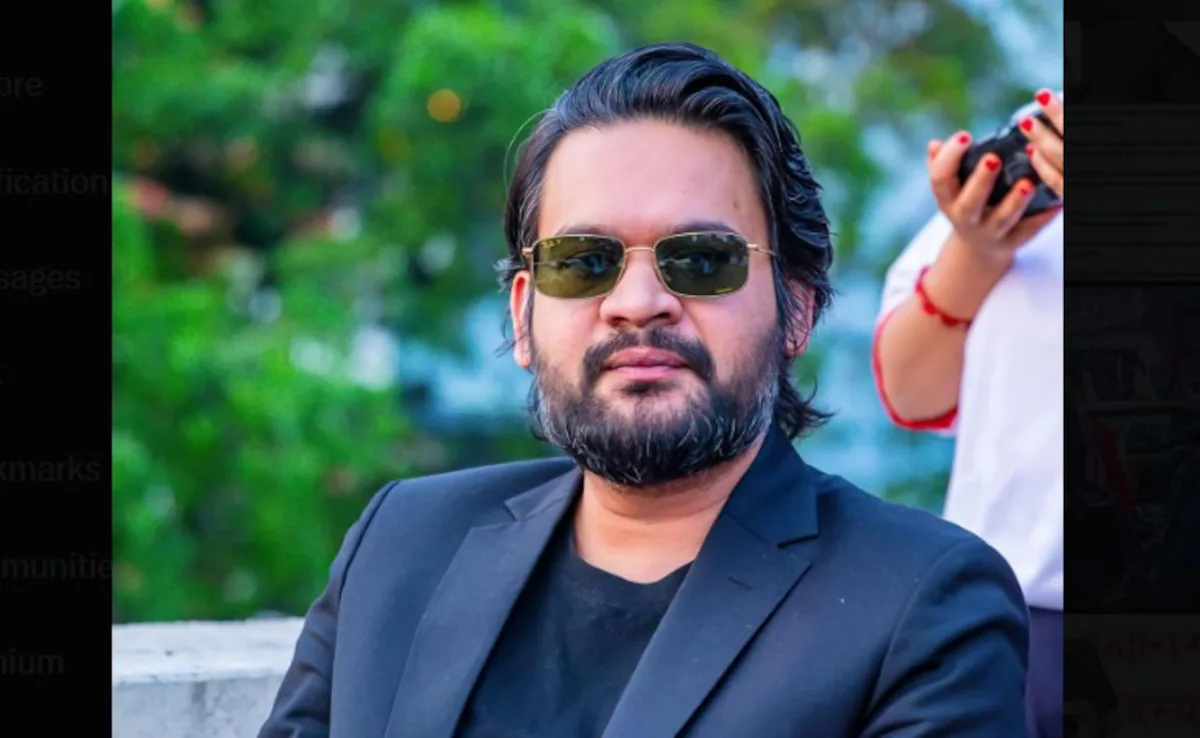
The Rastriya Swatantra Party (RSP), or National Independent Party, has won over 117 of 165 directly elected seats in Nepal’s parliamentary elections, with results still being counted. The party’s prime ministerial candidate, Balendra Shah – a rapper-turned-politician who won the Kathmandu mayoral race in 2022 – is now set to lead the country after defeating former Prime Minister Khadga Prasad Oli in a result that has left Nepal’s political establishment in ruins.
Local newspapers captured the scale of the shift. The Himalayan Times declared an “RSP landslide victory.” The Annapurna Post went further: “People’s ballot revolt; shift in political paradigm.”
The RSP’s rise is inseparable from the Gen Z-led protests that rocked Nepal in 2025. Tens of thousands of young Nepalis took to the streets in anti-corruption demonstrations that ultimately forced Prime Minister Oli out of power – the first time youth-led protests had toppled a government in the country’s history.
Shah emerged as a leading figure in those protests, leveraging his profile as Kathmandu’s mayor and his credibility as an outsider to Nepal’s entrenched political class. The party he now leads was founded just four years ago, and its manifesto reads like a wish list for a generation tired of corruption and stagnation: directly elected prime ministers, recall elections, the right to reject candidates on the ballot, and the scrapping of political appointments to constitutional bodies.
The RSP asked its supporters to refrain from public victory celebrations – a notable gesture of respect for the dozens of young Nepalis who lost their lives during the 2025 protests that made this moment possible.
The two parties that have traded power in Nepal for decades – the Nepali Congress and the Communist Party of Nepal (Unified Marxist-Leninist) – were comprehensively routed. Together, they managed only a fraction of the directly elected seats. The scale of their defeat suggests that voters did not merely shift their preferences; they rejected an entire political generation.
Nepal’s dual ballot system, where voters choose both a constituency candidate and a party, shows the RSP commanding over 50% of the party vote as well – meaning this was not just a collection of local wins but a genuine national mandate. Analysts say the RSP will have comfortable numbers to form a single-party government, an unusual outcome in Nepal’s traditionally coalition-driven politics.
Not everyone is celebratory. Independent analyst Keshab Prasad Poudel warned that governing would be far harder than winning. “The problem or challenge with this new party would be to deliver things, given the limited resources and the limited institutional support. People have high expectations – that doesn’t necessarily mean the new party can fulfill them,” he said.
The RSP will inherit a bureaucracy built by and for the parties it just defeated, a fragile economy, and the enormous expectations of a youth population that has never known competent governance. Translating protest energy into policy outcomes is the challenge that has broken young political movements around the world.