
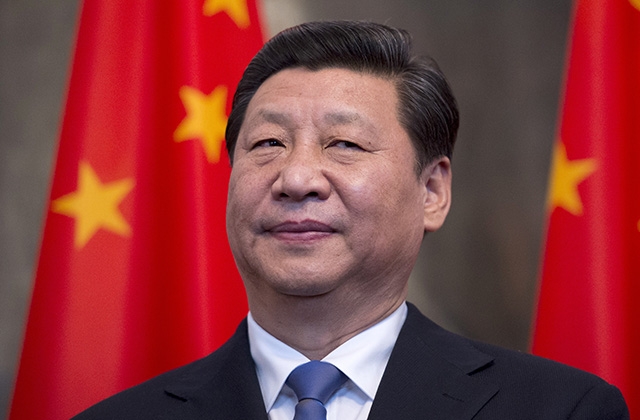
Chinese President Xi Jinping has concluded a landmark two-day visit to Egypt, strengthening Beijing’s economic and strategic ties with Cairo while calling for a greater Middle Eastern role in determining the region’s own security affairs.
Xi’s September 1-2 visit was his first trip to Egypt in a decade and coincided with the 70th anniversary of diplomatic relations between China and Egypt. The visit underscored Beijing’s growing engagement with a region long dominated by the United States.
A major economic outcome was an agreement between Xi and Egyptian President Abdel Fattah el-Sisi to launch the third phase of the Egyptian-Chinese industrial zone in the Suez Canal Economic Zone.
The expansion will focus on industries including renewable energy, automobile manufacturing, textiles and chemical fibres. The Suez Canal is strategically important to China because it provides a major trade route between Asia and Europe. Chinese companies have already invested billions of dollars in the surrounding economic zone.
But economics was only part of Xi’s message.
During talks with Sisi, the Chinese leader called on Middle Eastern countries to oppose external interference and strengthen dialogue on regional peace and security. His comments come as the Middle East faces renewed instability linked to the conflict involving the United States and Iran and disruptions to major shipping routes.
Xi’s remarks amount to a clear argument for a regional security order less dependent on outside powers, particularly the United States. Beijing has increasingly presented itself as a supporter of what it calls a more multipolar international system.
The visit also highlighted the expanding breadth of China-Egypt relations. The two countries are deepening cooperation in trade, technology, security and industry, while China has become Egypt’s largest trading partner in non-petroleum goods. Bilateral trade reached about $20.7 billion in 2025, according to Egyptian data cited by Al Jazeera.
For Cairo, closer relations with Beijing provide an opportunity to diversify its economic and strategic partnerships while maintaining its longstanding relationship with Washington.
For Beijing, Egypt offers something equally valuable: a gateway to Africa, the Arab world and the strategically vital Suez Canal.
Xi’s visit therefore went beyond a diplomatic ceremony. It demonstrated China’s determination to expand its economic footprint and political influence in a Middle East undergoing a major strategic realignment.