

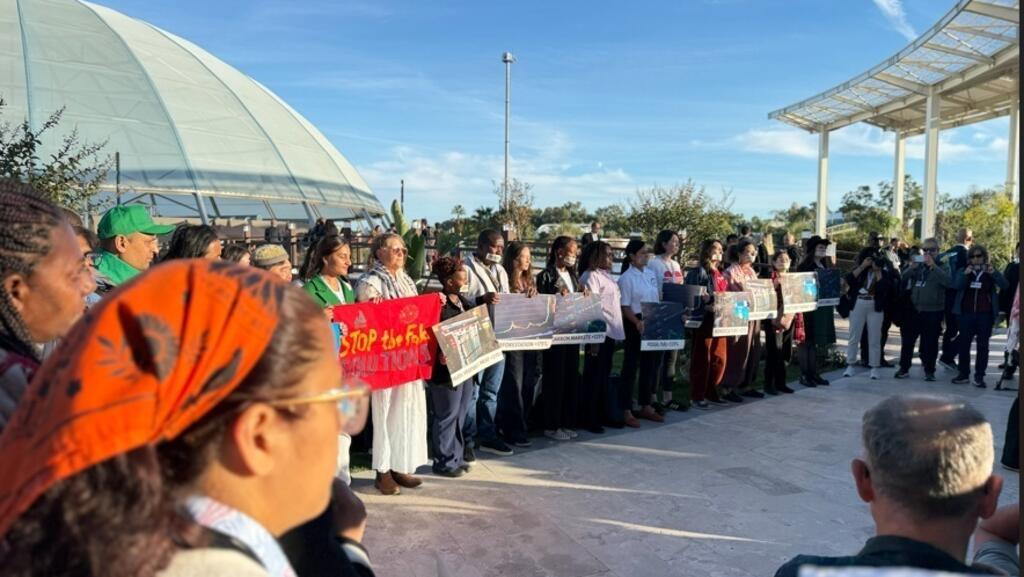
Africa walked into COP31 in Antalya, Turkey, this week with a single, unambiguous
ask: triple adaptation finance by 2035, and put it in writing. On Wednesday, as the
summit’s formal agenda was gaveled through, that demand was quietly left off the
official negotiating track — and African delegations are responding, as of this
morning, with the clearest threat of walkout diplomacy in years.
The number matters. Adaptation finance — money for seawalls, drought-resistant
crops, early-warning systems, climate-proofed roads — is what keeps Africa’s
economies from being hollowed out by weather it did not create. The African Group
of Negotiators, chaired this cycle by Ghana, wants a commitment to at least triple it
by 2035 and to reach parity with mitigation finance by 2030.
Instead, delegates arrived in Antalya to find that the COP31 presidency, with
backing from Australia and several developed-country blocs, structured the agenda
in a way that keeps adaptation finance to the side. There is no formal negotiating
track to define, monitor and enforce the pledge. That is not an accident. It is, in the
words of one African lead negotiator speaking off-record this morning, ‘a decision to
kick the hardest number down the road again.’
The backdrop makes the fight sharper. Talks in Bonn earlier this year ended in
procedural deadlock on adaptation finance. Developed countries, several African
briefings allege, used the Bonn intersessional to ‘erase’ commitments made at
COP30 in Belém. The pattern — big numbers at the summit, quiet erosion between
summits — is one African governments are now openly calling a credibility crisis for
the UN climate process.
Business is paying attention. African sovereign bonds have begun to price climate
risk more aggressively, and credit-ratings agencies have flagged that infrastructure
built without adaptation financing will have to be rebuilt within a generation. The
private insurance market in several African capitals has started withdrawing coverage from coastal and drought-exposed assets. For ministers of finance, the
Antalya decision is not an abstraction — it is a line item.
There is leverage on the African side that did not exist at previous COPs. COP32 is
scheduled for Addis Ababa in 2027. A formal handover is baked into the schedule.
African negotiators are privately threatening to let the Antalya process end without
a clean outcome, and to open COP32 on their own continent with their own agenda
built around adaptation. ‘If adaptation is not on the table here, we will set a different
table there,’ one minister told reporters last night.
Developed-country negotiators push back that adaptation finance is already flowing
bilaterally and through multilateral development banks, and that a hard 2035 target
risks locking in politically impossible numbers. African delegations counter that
without a measurable, enforceable track, the pledges already made — including the
long-promised $100 billion per year — have proven to be, in the phrase of one
activist in Antalya, ‘climate theatre.’
The next 72 hours will decide whether a workaround can be negotiated — some
kind of informal plenary or ministerial dialogue — or whether COP31 heads into its
final week with the continent most exposed to climate change publicly sidelined. For
a conference in Turkey that was supposed to be about ‘implementation,’ it is an
uncomfortable opening act.