
The World Health Organization (WHO) says the ongoing Ebola outbreak in the Democratic Republic of the Congo (DRC) likely began several months before it was officially declared, suggesting the virus had been spreading undetected long before health authorities confirmed the epidemic.
According to the WHO, epidemiological investigations and genetic sequencing indicate that the earliest infections occurred well before the government announced the outbreak, allowing the virus to establish multiple chains of transmission before emergency response measures were activated.
Health officials said the delayed detection was linked to limited disease surveillance, insecurity in affected communities and the similarity of early Ebola symptoms to more common illnesses such as malaria and typhoid, making the virus harder to identify in its initial stages.
The WHO warned that the prolonged period of undetected transmission contributed significantly to the scale of the outbreak, complicating efforts to trace contacts and contain the spread once cases were confirmed.
The outbreak, centered in eastern DRC, has become one of the country’s most challenging Ebola emergencies, with health workers battling ongoing transmission amid armed conflict, population displacement and limited access to some affected communities.
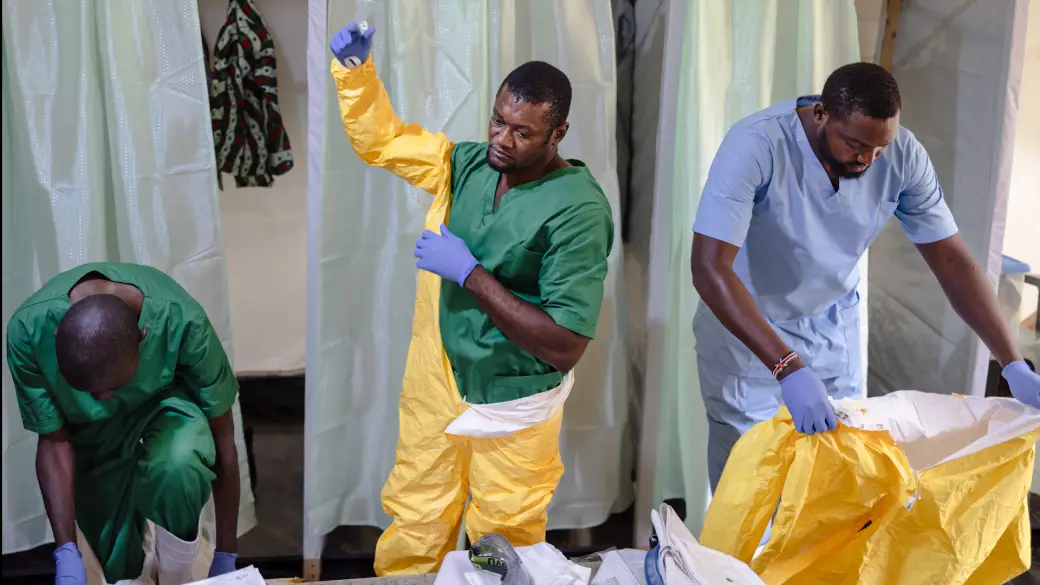
The agency said response teams have intensified surveillance, laboratory testing, contact tracing and community engagement while expanding treatment facilities and infection prevention measures in hotspot areas.
WHO officials also emphasized the importance of rebuilding public trust, noting that misinformation and fear have discouraged many people from seeking medical care. UNICEF recently reported that hospital visits in affected areas have fallen sharply because residents fear contracting Ebola in health facilities.
International partners, including WHO, UNICEF and the Africa Centres for Disease Control and Prevention (Africa CDC), continue to support the Congolese government with medical supplies, technical expertise and emergency funding to strengthen the outbreak response.
Public health experts say the findings highlight the need for stronger disease surveillance systems capable of detecting outbreaks earlier, particularly in conflict-affected regions where access to healthcare and laboratory services remains limited.
The WHO warned that early detection remains one of the most effective tools for containing Ebola outbreaks, stressing that delays in identifying the first cases can allow the virus to spread rapidly before public health interventions are put in place.