

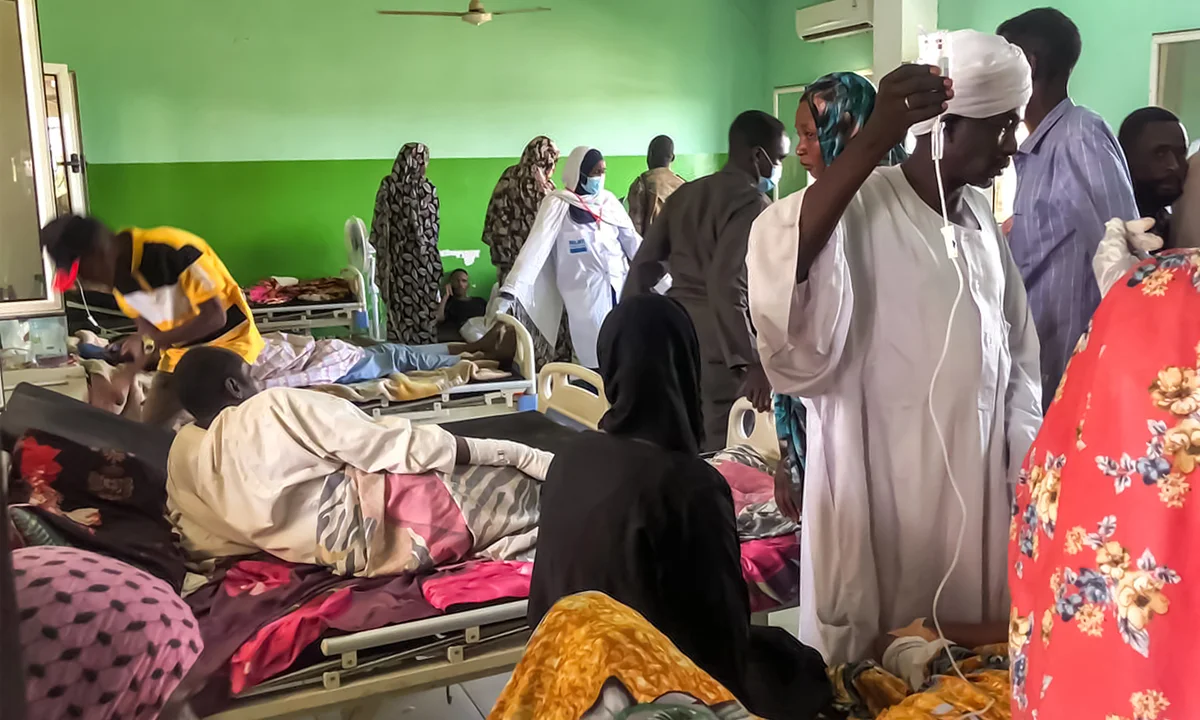
Sudan’s already devastated healthcare system is facing further collapse as international aid cuts deepen shortages of medicines, medical supplies and healthcare workers, Doctors Without Borders, known as MSF, has warned.
The organisation says about 33 million people in Sudan now require medical assistance, while an estimated 37 per cent of health facilities are out of service.
The crisis comes after more than three years of war between the Sudanese Armed Forces and the Rapid Support Forces. The conflict has destroyed or severely disrupted hospitals and displaced millions of people, leaving large parts of the country without reliable access to basic healthcare.
MSF says funding reductions in 2026 are making the situation even more difficult. Humanitarian organisations are being forced to scale back programmes at a time when demand for medical services is increasing.
Health facilities that remain operational are struggling to cope with overcrowding, shortages of essential drugs and limited supplies for treating trauma, infectious diseases and malnutrition.
The disruption is particularly dangerous for vulnerable groups, including children, pregnant women and people living in areas affected by fighting. Preventable diseases can spread rapidly when vaccination programmes, clean water systems and routine healthcare services are interrupted.
The war has also created conditions for a growing humanitarian crisis beyond the immediate effects of violence. Millions of Sudanese have been forced from their homes, while food insecurity and malnutrition are putting additional pressure on an already overstretched health system.
MSF has repeatedly called for greater humanitarian access and increased international support, warning that medical organisations cannot meet Sudan’s needs without sustained funding and safe access to affected communities.
The latest warning comes as humanitarian agencies face a widening funding gap. Aid groups say reduced international financing risks turning Sudan’s health emergency into an even larger public-health disaster.
For communities caught in the conflict, the consequences are immediate. Patients are being forced to travel long distances to reach functioning facilities, while some areas have little or no access to emergency medical care.
MSF says the international community must treat healthcare as an urgent priority and ensure that humanitarian assistance reaches civilians regardless of which side controls their area.
Sudan’s health crisis is therefore becoming inseparable from the wider war: as fighting continues and funding declines, the number of people needing help is rising while the capacity to provide that help is shrinking.