

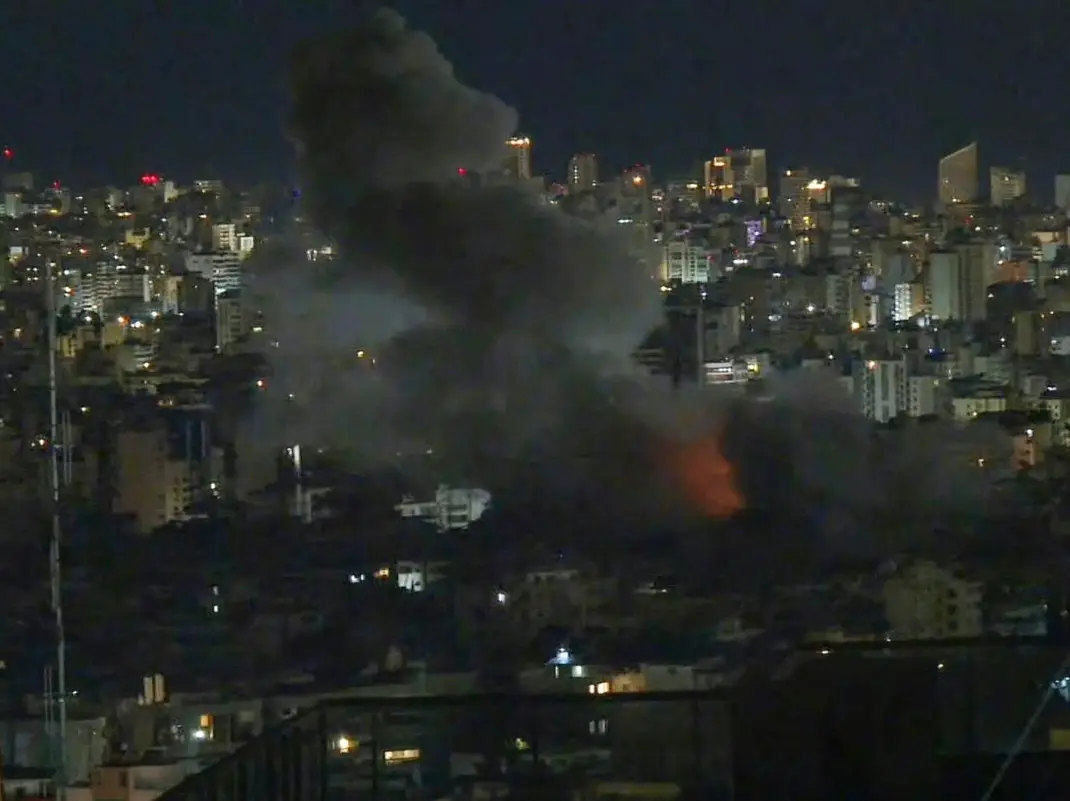
The conflict between the United States and Iran intensified on Monday after the Pentagon confirmed the death of a third U.S. service member in recent days, prompting another round of American airstrikes against Iranian military targets.
According to U.S. Central Command (CENTCOM), the latest casualty occurred in northern Iraq during a controlled detonation of an unexploded Iranian drone. Another service member was reported to have suffered minor injuries in the incident. The death follows the killing of two U.S. troops in an Iranian strike on a military base in Jordan, marking one of the deadliest periods for American forces since hostilities resumed. (KPBS Public Media)
Hours after announcing the latest casualty, the United States carried out its ninth consecutive night of strikes on Iranian targets. CENTCOM said the operation focused on military command centers, missile and drone launch sites, air defense systems, coastal surveillance facilities, and communications networks. Officials said the campaign is intended to reduce Iran’s ability to threaten U.S. forces and commercial shipping, particularly in and around the Strait of Hormuz. (euronews)
Explosions were reported in several parts of Iran, including areas near Tabriz and strategic coastal locations. Iranian state media also reported that air defense systems were activated in response to the attacks. (euronews)
Iran responded by launching additional missile and drone attacks against U.S. military positions and regional allies. Reports indicated strikes or attempted strikes involving Kuwait, Bahrain, and Jordan, while Iranian officials reiterated warnings that continued U.S. military action could further disrupt shipping through the Strait of Hormuz, one of the world’s most important oil transit routes. (The Guardian)
The escalating conflict has had immediate economic consequences. Oil prices climbed above $90 per barrel amid fears of prolonged disruptions to global energy supplies, while analysts warned that any sustained interruption of traffic through the Strait of Hormuz could place additional pressure on international markets. (AP News)
Despite ongoing diplomatic efforts by regional mediators, prospects for a renewed ceasefire remain uncertain. Iranian leaders have dismissed previous agreements as ineffective, while Washington has maintained that military operations will continue until threats to U.S. personnel and maritime security are reduced. (euronews)
The latest exchanges underscore the growing risk of a wider regional conflict, with both sides continuing to trade military strikes and showing little sign of stepping back from the confrontation.