
A United Nations-backed fact-finding mission has concluded there are “reasonable grounds” to
believe the United States committed war crimes during its February airstrikes on Iran, in a
bombshell report published Thursday in Geneva that reshapes the diplomatic landscape around
the still-simmering conflict.
The report, released just hours ago by the Independent International Fact-Finding Mission on
Iran, focuses on two strikes carried out on February 28 during the opening days of the US-Israeli
campaign against the Islamic Republic. Investigators say at least 178 civilians — including
women and children — were killed in attacks that hit what they describe as clearly identifiable
civilian targets.
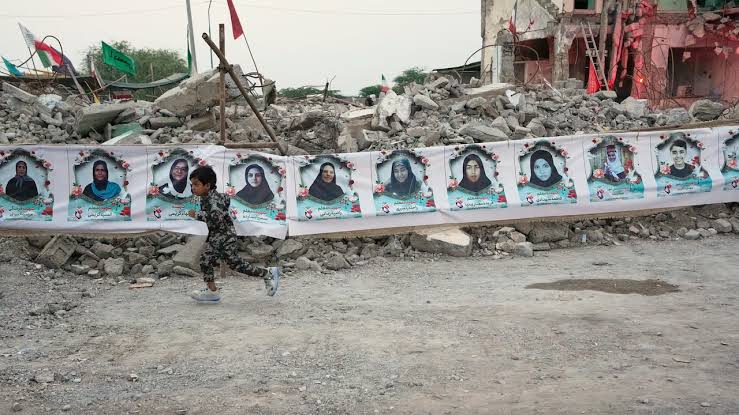
One strike used Tomahawk missiles against the Shajareh Tayyebeh school in the southern city
of Minab. A second, in the city of Lamerd, saw Precision Strike Missiles disperse tungsten
pellets across a sports complex and residential area. The mission, chaired by Bangladeshi jurist
Sara Hossain, said both sites carried no legitimate military value.
In an equally sharp turn, the same report accuses the Iranian government of crimes against
humanity for its violent crackdown on anti-government protesters, including systematic killings,
torture and enforced disappearances during demonstrations that swept the country in the
weeks after the war began.
The findings are not legally binding. But international law experts said the language matters —
it is exactly the vocabulary prosecutors reach for when building cases at the International
Criminal Court or in universal jurisdiction trials in Europe. The evidence will now sit in the
record, ready to be picked up.
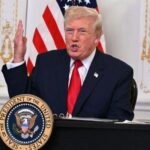
The Trump administration has yet to formally respond to the report, though the President
struck an unusually softer tone earlier today, telling reporters he believed an end to the war
“was near” and that Iran had reached out “directly” to seek a deal. Analysts read the two developments as connected: Washington faces mounting pressure to de-escalate, and the UN
findings sharpen that pressure.
Iranian state media seized on the report to demand accountability, framing the school strike as
proof of what Tehran has called a campaign of civilian terror. But Iranian officials avoided any
mention of the mission’s parallel findings against their own security services, which detail
beatings, sexual violence and killings of protesters, many of them women and young people.
The February 28 strikes were among the most controversial of the short war. AP investigators
documented the school hit within days, but the Pentagon dismissed early allegations as Iranian
propaganda. Thursday’s report is the first internationally sanctioned document to place
responsibility for civilian deaths at the door of US commanders and the political leadership that
authorised the strikes.
The Human Rights Council, which set up the mission in 2022, will formally receive the findings
in Geneva next week. Several European member states have already signalled they will call for
an independent criminal investigation. Human Rights Watch called the report “a turning point,”
urging the ICC to open a preliminary examination.
For families of the dead, the report is validation of what they have been saying for seven
months. A father whose two daughters died in the Minab strike told reporters outside the
school ruins earlier today: “The world called us liars. Now the world knows.”
What happens next is uncertain. The US is not a party to the Rome Statute and has historically
rejected ICC jurisdiction over its personnel. Iran, similarly, will not cooperate with any
investigation of its officials. But the findings will shape sanctions debates, aid conditions, and
how allies talk about the war in public — and that is a shift that has already begun.
The bigger political story may be timing. With Trump publicly hinting at a diplomatic off-ramp
with Tehran, the report gives every party at the negotiating table a fresh reason to move. It also
gives every domestic critic of the war — in Washington, in European capitals, in Tehran itself —
a new document to wave.