
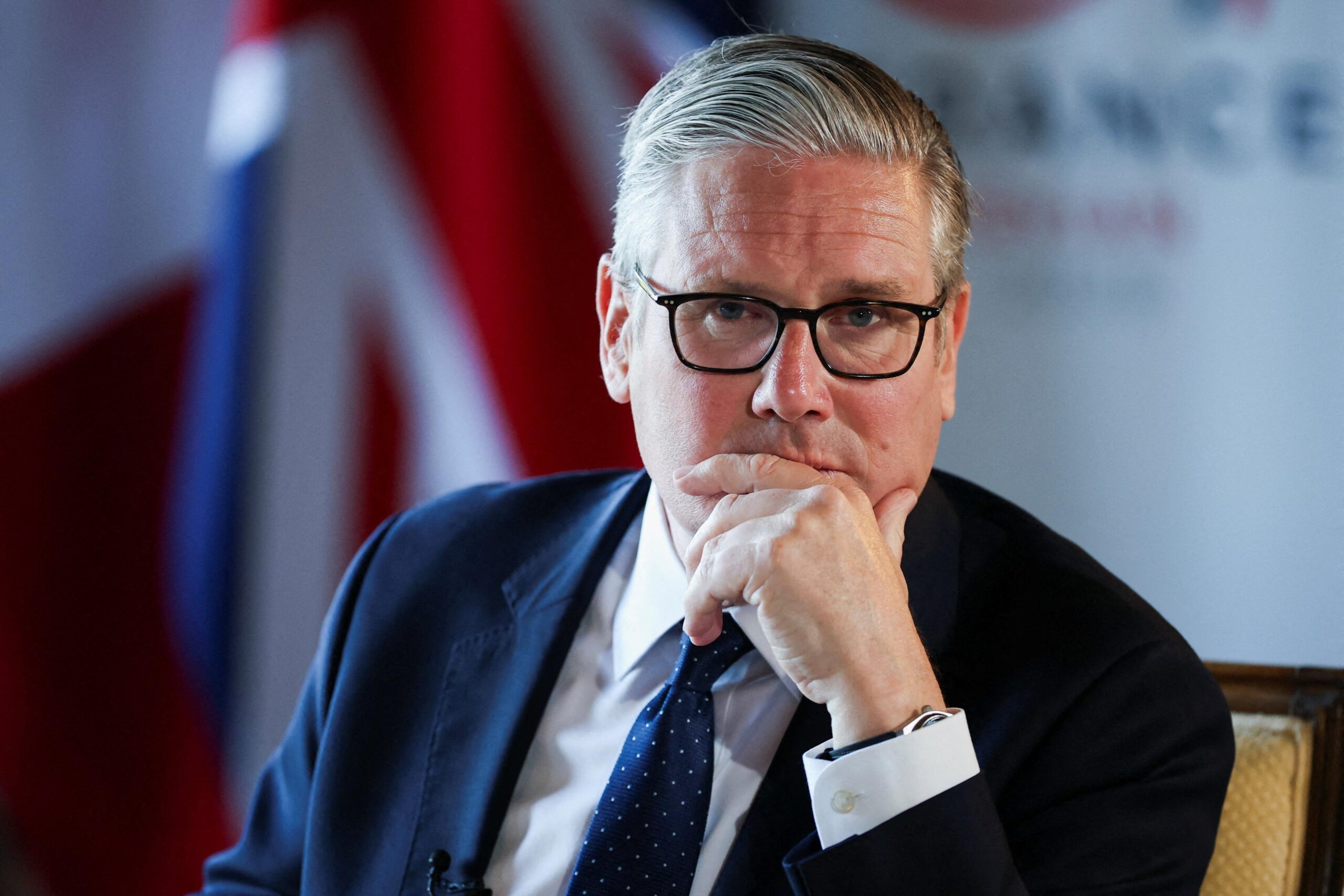
British Prime Minister Keir Starmer has announced his resignation, bringing an abrupt end to a tenure that reshaped the United Kingdom’s political landscape following the Labour Party’s return to power.
In a statement delivered outside 10 Downing Street, Starmer said stepping down was a difficult decision but one he believed was in the best interests of the country and his party. He thanked the British public for their trust and praised colleagues who had supported his government during a period marked by economic challenges, international tensions, and efforts to rebuild public services.
Starmer’s resignation comes amid mounting political pressure and growing speculation about the future direction of the Labour government. While the exact reasons behind his departure remain the subject of intense debate, political observers point to a combination of internal party tensions, declining approval ratings, and increasing demands for a leadership transition.
Since leading Labour to a historic election victory, Starmer had focused on economic stability, healthcare reform, energy security, and strengthening Britain’s international partnerships. Supporters credit him with restoring Labour’s electoral fortunes and bringing a more centrist approach to government after years in opposition.
However, critics argued that his administration struggled to address concerns over living costs, public sector performance, and immigration. Opposition parties also accused the government of moving too slowly on key policy promises, contributing to growing voter frustration.
The Labour Party is expected to begin the process of selecting a new leader and prime minister in the coming days. Several senior cabinet members are already being mentioned as potential successors, setting the stage for a closely watched leadership contest.
International leaders reacted quickly to the announcement, with messages of appreciation arriving from allies across Europe, North America, and the Commonwealth. Many praised Starmer’s role in supporting international cooperation and maintaining Britain’s diplomatic influence during a period of global uncertainty.
Financial markets and political analysts are now assessing the implications of the resignation. While the transition is expected to be orderly, questions remain about whether a new leader will continue Starmer’s policy agenda or pursue a different course.
As Britain prepares for a change in leadership, attention will focus on who emerges as Labour’s next leader and how the government responds to the economic and political challenges ahead. Starmer’s resignation marks a significant moment in modern British politics and opens a new chapter for both the Labour Party and the United Kingdom.