
For 84 days, millions of Nigerians woke up to a terrifying reality: if they fell seriously ill, there was no guarantee anyone would be there to help them.
The Joint Health Sector Unions (JOHESU) — representing pharmacists, laboratory scientists, nurses, physiotherapists, and other non-physician health workers — launched an indefinite strike on December 2, 2025, after months of failed negotiations with the federal government. What followed was one of the most devastating industrial actions in Nigeria’s health sector in recent memory.
A System Already on Its Knees
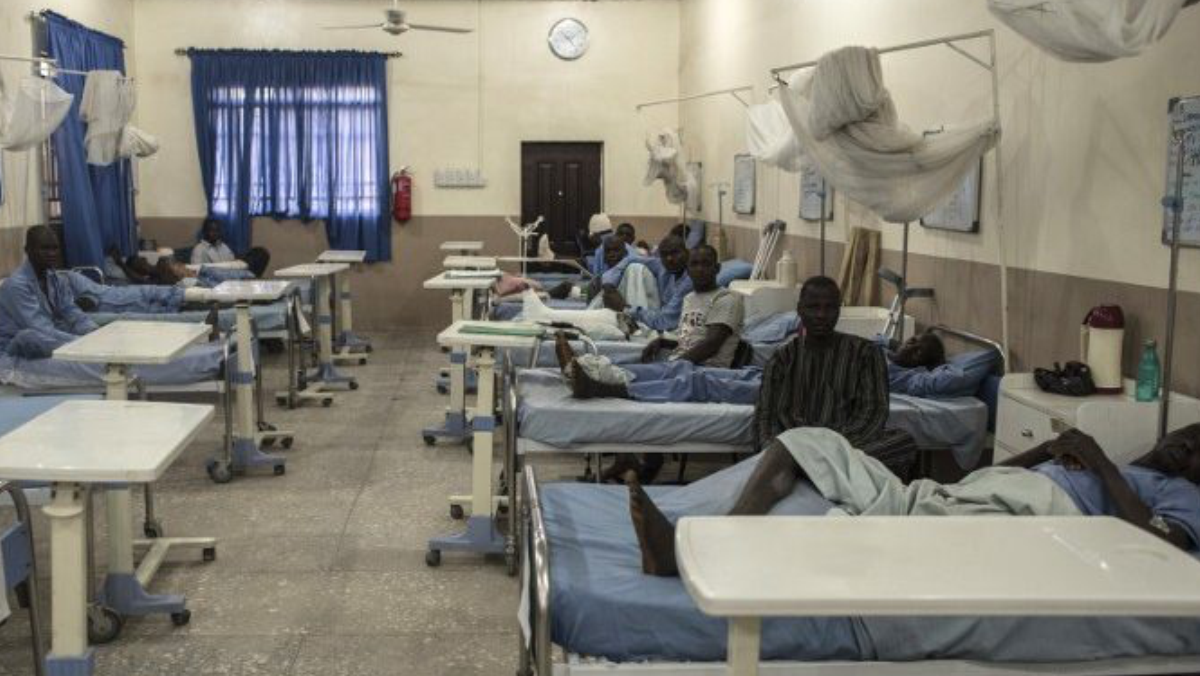
Nigeria’s public hospitals were never flush with resources. Underfunding, brain drain, and aging infrastructure had already stretched the system thin long before JOHESU downed tools. But the strike exposed just how dependent ordinary Nigerians are on public health facilities — and how little buffer exists when those facilities stop functioning.
At the University of Ilorin Teaching Hospital (UITH) in Kwara State, residents described scenes of desperate patients being turned away at the gate. “They are letting us die,” one resident said. “If you fall sick now and you don’t have money to go to a private hospital, you are finished. UITH is supposed to be the last hope, but now they are rejecting people.”
In Ibadan, patients at University College Hospital (UCH) — Nigeria’s first university teaching hospital — were discharged or transferred. Some families, unable to move critically ill relatives, chose to leave them behind and pray the strike would end in time. In Port Harcourt, wards at UPTH sat eerily empty, beds stripped bare as patients were routed to state facilities.
Across Lagos, public hospitals in Ikeja, Ikorodu, Badagry, and Epe turned away residents daily. Those with health insurance were forced to pay out of pocket because record officers weren’t available to process claims. Patients were told to buy their own syringes and gloves from private pharmacies. Basic blood tests had to be done at private labs — at private prices.
The Core Demand: Pay What Was Promised
At the heart of the strike was a deceptively simple demand: implement the Consolidated Health Salary Structure (CONHESS). The government had agreed to adjustments years earlier. JOHESU said the agreements were never honoured. The federal government maintained that most demands had been addressed — a claim unions flatly rejected.
In response, the Federal Ministry of Health issued a circular in January directing hospital management to enforce a “no work, no pay” rule and to hire locum staff to fill critical gaps in accident and emergency, labour wards, and ICUs. It did little to resolve the underlying grievances. It did, however, intensify bitterness on the union side.
The Cost in Human Lives
What makes this strike different from typical labour disputes is the immediacy of the consequences. When factory workers strike, production halts. When health workers strike, people die. Nigeria has no reliable data on how many lives were lost during these 84 days — few official records were kept, and the government showed little urgency in tracking the human toll.
What is documented is the shift in healthcare-seeking behaviour: private hospitals reported surges in demand they were not equipped to meet. Poorer patients simply delayed treatment, hoping to outlast the strike. Some didn’t.
Where Things Stand
After 84 days, JOHESU suspended the strike following renewed negotiations. But “suspended” is not “resolved.” The union has reserved the right to resume if the government fails to follow through on commitments — a scenario that has played out before in Nigeria’s labour history.
For now, hospitals are returning to a fragile normalcy. But the structural issues that made this strike possible — inadequate pay, broken agreements, systemic neglect of non-physician workers — remain firmly in place.
Nigeria’s public health system has survived this crisis. The question is whether the government will use the window to fix it, or wait for the next walkout to force the conversation again.