

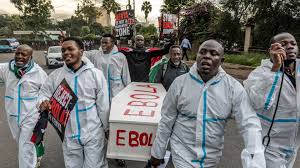
A protest against a U.S.-supported Ebola research and containment facility in western Kenya turned deadly after clashes erupted between demonstrators and security forces, leaving several people dead and dozens injured.
The unrest began when hundreds of residents gathered outside the facility, demanding its closure and expressing concerns about public safety. Protesters claimed the center posed potential health risks to nearby communities and accused authorities of failing to adequately consult local residents before expanding operations.
Witnesses reported that the demonstration initially remained peaceful before tensions escalated as protesters attempted to breach security barriers surrounding the facility. Police responded with tear gas and other crowd-control measures, but the situation quickly deteriorated into violent confrontations.
Local authorities confirmed multiple fatalities and injuries, although official casualty figures remain disputed. Several protesters were reportedly hospitalized, while security personnel also sustained injuries during the clashes. Emergency services were deployed to the area as authorities worked to restore order.
Government officials defended the facility’s operations, stressing that it plays a critical role in disease surveillance, medical research, and regional preparedness against potential Ebola outbreaks. Health experts warned that misinformation surrounding infectious disease research could undermine efforts to strengthen public health systems across East Africa.
The incident has reignited debate over transparency, community engagement, and foreign involvement in health research projects on the continent. Civil society groups have called for an independent investigation into the violence and urged authorities to address community concerns through dialogue rather than force.
Representatives of the facility expressed regret over the loss of life and emphasized that strict international safety standards govern all research activities conducted at the center. They also pledged to cooperate with any official inquiries into the incident.
Political leaders and human rights organizations have condemned the violence, calling for accountability from all parties involved. Analysts warn that the deadly confrontation could further erode public trust in health institutions at a time when regional cooperation remains essential for preventing and responding to infectious disease threats.
As investigations continue, authorities face mounting pressure to determine the circumstances that led to the violence and to ensure that future disagreements over public health projects are resolved peacefully. The tragedy serves as a reminder of the challenges governments face in balancing scientific advancement, public confidence, and community participation.