

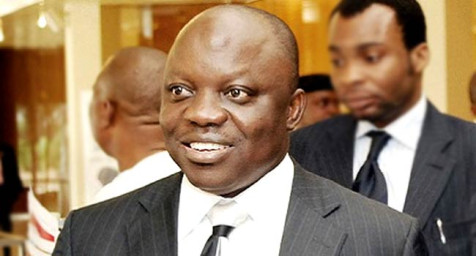
Dr Emmanuel Eweta Uduaghan, who served as governor of Delta State from 2007 to 2015,
died earlier today after a brief illness. He was 71.
News of his death broke in the morning and quickly spread across Nigerian political and
media circles. Family sources confirmed he had been battling a short illness before passing in
the early hours of Monday. Full funeral arrangements had not been announced at the time of
publication.
Uduaghan’s death closes a chapter in Niger Delta politics. A medical doctor by training, he
entered government as commissioner for health and later became secretary to the Delta State
government before succeeding James Ibori as governor in 2007. His two-term administration
leaned heavily on the slogan of a ‘Delta Beyond Oil,’ pushing diversification into agriculture,
aviation and tourism in a state historically dependent on crude revenues.
His tenure was not without controversy. Infrastructure projects — notably the Asaba
International Airport — attracted both praise and scrutiny over cost. But many Deltans credit
him with stabilising the state through the turbulent amnesty era when militancy in the Niger
Delta threatened national oil output.
After leaving office in 2015, Uduaghan remained an active, if lower-profile, political figure.
He crossed between the PDP and APC in a series of alignment moves that reflected broader
realignments in southern Nigerian politics, and he was frequently consulted on Niger Delta
policy by successive federal administrations.
Tributes began pouring in within hours. Delta State Governor Sheriff Oborevwori described
Uduaghan as ‘a father, mentor and statesman whose contributions to Delta State will not be
forgotten.’ Senior APC figures and PDP elders issued separate condolence statements. On
social media, Nigerians across political lines reflected on his calm, physician’s demeanour in
a profession not known for either calm or restraint.
The timing of his death is politically poignant. Nigeria is in the opening phase of the 2027
election cycle, with opposition parties this week consumed by the question of whether Peter
Obi and Atiku Abubakar can agree on a single candidate. Uduaghan’s voice — pragmatic,
bridge-building, Delta-anchored — had been quietly sought after in those backroom
conversations.
Beyond politics, he leaves a professional legacy in medicine and public health that pre-dated
his governorship. Colleagues from his years at the Delta State University Teaching Hospital
spoke on Monday of a clinician who entered politics without abandoning the discipline of his
first career.
President Bola Tinubu is expected to issue a formal condolence message later today. The
Delta State House of Assembly is likely to adjourn its sitting in his honour, in line with
tradition for a former governor’s passing.
For a state and a region still negotiating the long tail of oil, militancy and transition,
Uduaghan’s death is more than a personal loss to his family — it is the exit of a figure who,
for better or worse, helped shape what post-Ibori Delta State became.