

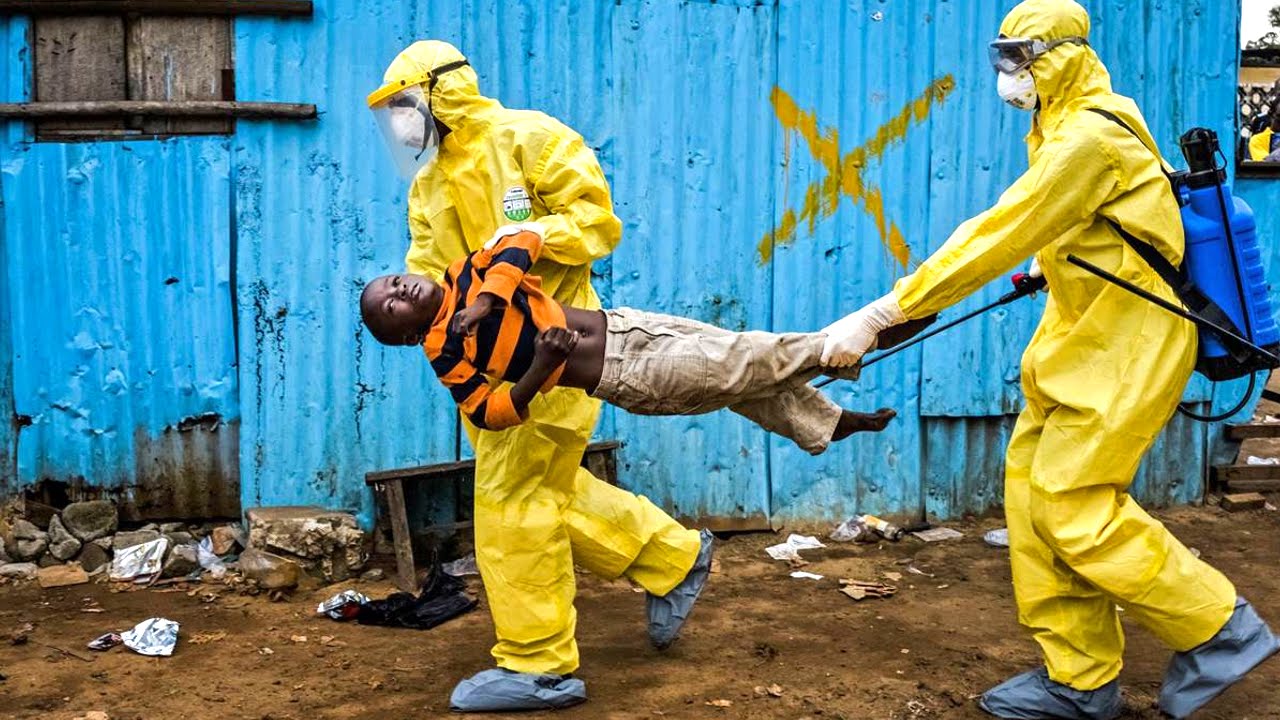
Health authorities are on high alert after cases linked to the ongoing Ebola outbreak in the Democratic Republic of the Congo (DRC) were reported in Europe, raising concerns about the international spread of one of Africa’s most severe public health emergencies.
The United Nations warned that the outbreak has become the fastest-growing Ebola epidemic ever recorded on the continent, with infections rising rapidly despite ongoing containment efforts. Officials say the disease has spread across multiple provinces in the DRC, placing immense pressure on healthcare systems and humanitarian agencies.
European health authorities confirmed that infected individuals had recently traveled from affected areas in the DRC before being identified and isolated. Contact tracing operations have been launched, while health agencies are monitoring people who may have been exposed to the virus in an effort to prevent further transmission.
The World Health Organization (WHO), Africa Centres for Disease Control and Prevention (Africa CDC), and national governments have intensified surveillance at airports, border crossings, and healthcare facilities. Emergency response teams are also expanding vaccination campaigns, laboratory testing, and community awareness initiatives in affected regions.
The UN described the outbreak as an unprecedented challenge, citing rapid transmission, population displacement, insecurity, and limited access to healthcare in conflict-affected areas as major factors driving the spread of the virus. Humanitarian workers have warned that ongoing violence in parts of eastern DRC has complicated efforts to reach vulnerable communities and contain new infections.
Ebola is a highly infectious viral disease that spreads through direct contact with the bodily fluids of infected individuals. Symptoms include fever, severe weakness, vomiting, diarrhea, and, in some cases, internal and external bleeding. While vaccines and treatments have improved survival rates in recent years, early detection and rapid isolation remain critical to controlling outbreaks.
Governments across Africa and Europe have stepped up preparedness measures, including enhanced screening protocols, emergency response planning, and public health awareness campaigns. Officials continue to stress that the risk to the general public remains low when appropriate surveillance and infection-control measures are in place.
Public health experts have urged countries to strengthen cross-border cooperation and avoid panic, emphasizing that swift reporting, effective contact tracing, and community engagement remain the most effective tools for containing the outbreak.
As international health agencies race to limit the spread of the virus, the coming weeks will be crucial in determining whether coordinated global efforts can prevent the outbreak from escalating into a wider international health crisis.