

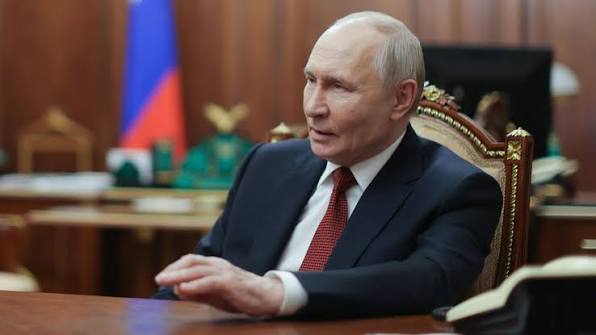
Russian President Vladimir Putin has acknowledged that the country is facing growing fuel supply challenges following a series of Ukrainian drone strikes targeting key oil refineries and energy infrastructure across Russia.
Speaking during a government meeting, Putin said disruptions to refinery operations had affected fuel production and distribution, prompting authorities to take additional measures to stabilize domestic supplies. The admission comes after months of increasingly sophisticated Ukrainian drone attacks aimed at weakening Russia’s energy sector and limiting its ability to support military operations.
Since the conflict began, Ukraine has expanded its long-range strike capabilities, repeatedly targeting oil refineries, fuel depots, and storage facilities deep inside Russian territory. Military analysts say the campaign is designed to disrupt fuel production, increase economic pressure, and force Moscow to divert air defense resources away from the front lines.
Russian officials have sought to reassure the public that fuel shortages will be managed through increased production at unaffected facilities, strategic reserves, and temporary export restrictions. However, industry experts warn that continued attacks could place additional strain on fuel supplies, particularly during periods of high domestic demand.
The energy sector plays a critical role in Russia’s economy, with oil and gas exports serving as major sources of government revenue. Damage to refining infrastructure not only affects domestic fuel availability but also has the potential to reduce export capacity and increase repair costs.
Meanwhile, Ukraine has defended its strategy of targeting energy infrastructure, arguing that the facilities are supporting Russia’s military operations. Kyiv maintains that such strikes are intended to weaken Russia’s war-fighting capabilities rather than target civilians.
The latest developments underscore the increasingly complex nature of the conflict, with both sides expanding operations beyond traditional battlefield engagements. Long-range drone warfare has become a defining feature of the war, allowing each side to strike strategic targets far from the front lines.
International observers continue to monitor the impact of the attacks on global energy markets. While Russia remains one of the world’s largest energy producers, prolonged disruptions to refinery operations could influence regional fuel supplies and international oil prices if the damage persists.
As the conflict enters another phase, Russia faces the challenge of protecting critical infrastructure while maintaining stable fuel supplies for both civilian and military needs. The effectiveness of Ukraine’s sustained drone campaign is likely to remain a key factor shaping the economic and strategic dimensions of the war in the months ahead.