
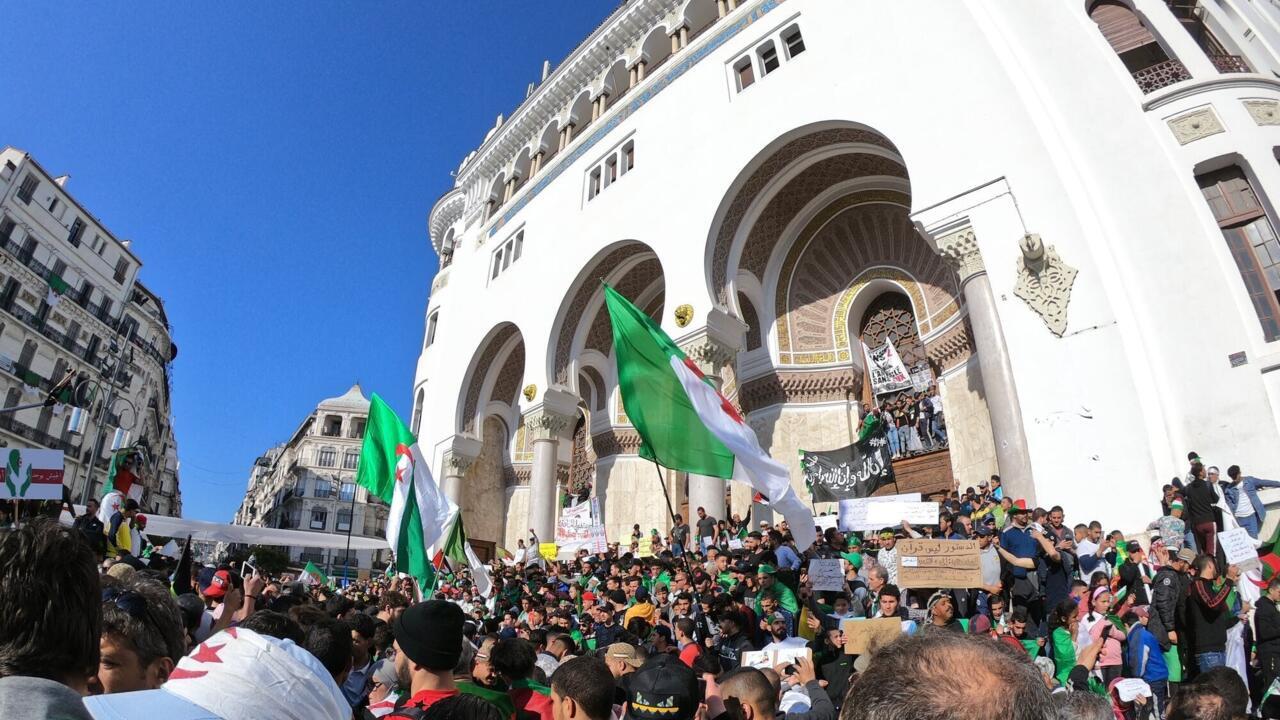
Algerians have gone to the polls in nationwide legislative elections, with the vote taking place against the backdrop of an ongoing national debate over political reforms, economic diversification, and democratic governance.
Polling stations opened across the country as millions of eligible voters cast ballots to elect members of the People’s National Assembly. Authorities described the election as an important step in strengthening democratic institutions and encouraging greater public participation in the country’s political process.
The government has promoted the elections as part of its broader reform agenda, which includes measures aimed at improving governance, stimulating economic growth, and expanding employment opportunities. Officials have called on citizens to participate peacefully, describing voter turnout as essential to shaping Algeria’s future.
The election comes at a time when Algeria faces a range of domestic challenges, including high youth unemployment, inflation, and the need to reduce the country’s dependence on oil and gas revenues. Economic reforms have become a central issue in the campaign, with political parties presenting competing proposals on investment, job creation, and social welfare.
Opposition parties and civil society groups have urged authorities to ensure transparency throughout the electoral process. While some have welcomed recent institutional reforms, others continue to call for broader political changes, greater media freedom, and stronger safeguards for civil liberties.
Election observers have been deployed to monitor polling across the country, while security forces maintained a visible presence to ensure voting proceeded peacefully. Authorities said polling stations would remain open until the close of voting before the counting process begins.
Political analysts say the outcome of the election will influence the pace of Algeria’s reform agenda and shape the government’s response to economic and social challenges in the years ahead. They also note that public confidence in the electoral process will be an important factor in determining the legitimacy of the new parliament.
Once voting concludes, the Independent National Electoral Authority is expected to begin announcing preliminary results before releasing the official outcome after completing the verification process. Successful candidates will form the next legislature, which will play a key role in debating laws, approving government policies, and overseeing national development programmes.
As Algerians await the election results, attention remains focused on whether the new parliament can address public demands for economic opportunity, institutional reform, and improved governance while maintaining political stability in one of North Africa’s largest nations.