

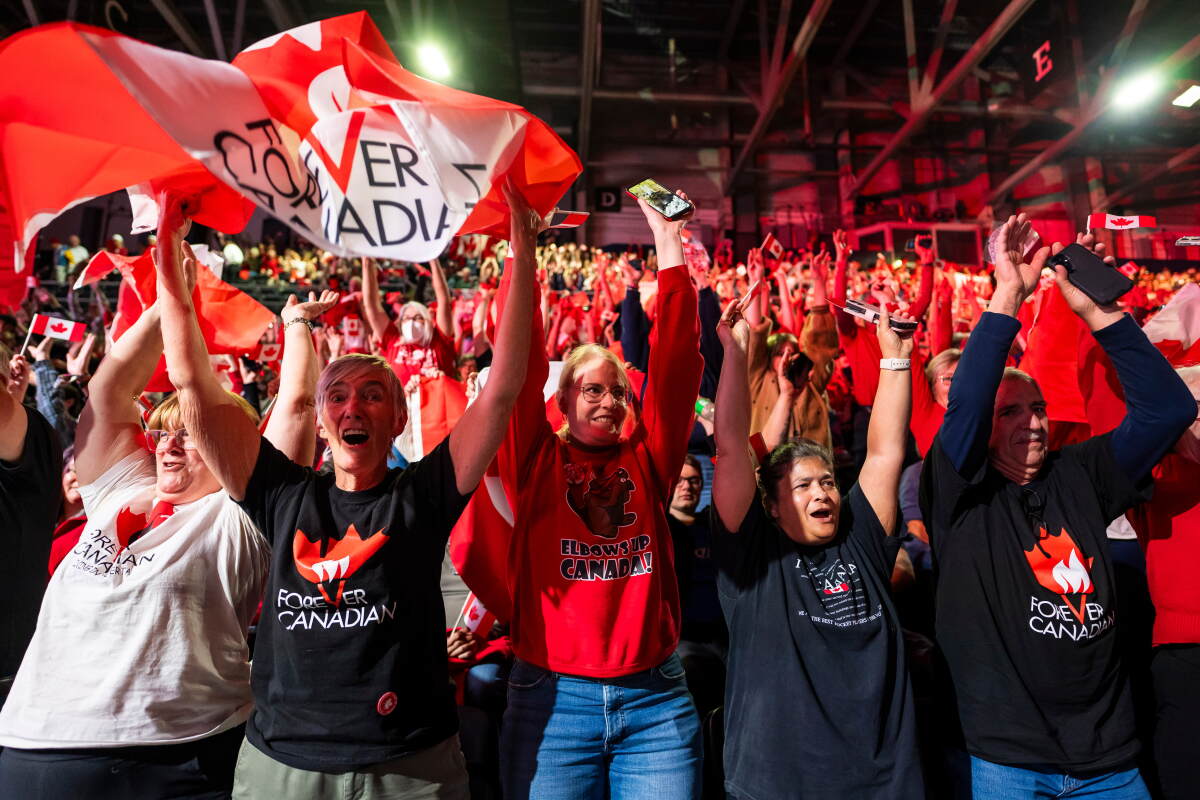
Polling stations opened across Alberta this morning for a referendum that has forced Canada
to confront a question it long treated as unthinkable: whether its wealthiest province should
begin a formal process that could lead to independence.
The vote, officially scheduled for October 19, 2026, does not itself separate Alberta from
Canada. Instead, Albertans are being asked whether the province should take the next legal
step toward holding a binding referendum on leaving the federation. A ‘yes’ would hand
Premier Danielle Smith’s government a mandate to draft that follow-up vote; a ‘no’ would
effectively close the door on the current separation push for this political cycle.
Mail-in ballots began going out weeks ago, and lineups were reported at urban polling
stations in Calgary and Edmonton within an hour of opening. Elections Alberta has warned
that counting could stretch deep into the night.
Pre-vote polling painted a cautious picture. A ResearchCo survey released in late August put
support for separation at just 22 percent, with roughly three-quarters of Albertans saying the
province should remain part of Canada. More recent CTV-cited polling suggested Albertans
trusted the ballot count itself but feared the debate would outlive the result.
Still, the referendum is historic. It is the first province-wide vote on Alberta’s place in Canada
since the 1980 Quebec referendum reshaped the national conversation about unity, and it
comes after years of grievance over equalization payments, federal climate policy and the fate
of the oil and gas sector.
Premier Smith has walked a careful line, saying she personally wants Alberta inside Canada
but will respect the province’s democratic choice. Prime Minister Mark Carney’s office in
Ottawa has pointedly declined to campaign in the province, worried that a visible federal
intervention would harden pro-separation sentiment.
Business groups are watching the loonie. Analysts at major Canadian banks warned clients
overnight that a surprise ‘yes’ result would likely trigger immediate currency volatility and
reprice Canadian energy assets, even though any actual secession would take years and face
enormous legal hurdles.
Indigenous leaders have added another layer of complexity. Several Treaty 6, 7 and 8 First
Nations have publicly stated that treaty rights are with the Crown, not with Alberta, and that
any attempt to leave Canada without their consent would be challenged in court and on the
land.
On the streets of Calgary this morning, voters were split along familiar lines. Older residents
in rural ridings told reporters they were voting ‘yes’ as a protest against Ottawa; younger
urban voters leaned ‘no’, citing economic uncertainty and worries about pensions, passports
and trade.