

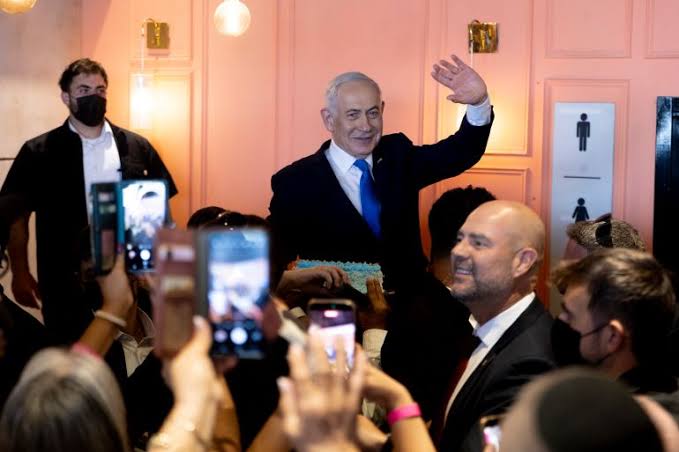
Polls opened across Israel this morning in a sixth general election in just seven years, with voters
choosing the 26th Knesset in what analysts are calling the most consequential ballot since 2019. This is
the first national vote since the wars in Gaza, Lebanon, and the direct confrontation with Iran — and the
first real test at the ballot box for Prime Minister Benjamin Netanyahu since October 7, 2023.
Early turnout numbers released by the Central Elections Committee this morning showed roughly 16.7%
of eligible voters had cast ballots by 10 a.m. local time, with about 1.2 million votes already counted —
the highest reading at that hour since 1981. Among Israeli diplomatic missions abroad, where early
voting has already concluded, turnout jumped a staggering 17 percentage points over 2022 to 86.7%.
More than 50,000 Israelis were expected to fly home to vote.
The Likud leader is seeking yet another term while standing trial on corruption charges, with his far-right
coalition locked in a close race against a Jewish-led opposition bloc. Pre-election polling suggests neither
side is on track to secure an outright majority in the 120-seat Knesset, raising the prospect of weeks of
coalition brinkmanship.
Hanging over the vote is a story that broke overnight and is now dominating Israeli radio: reports that
Netanyahu pushed in recent weeks for fresh military action against Iran ahead of today’s ballot, only to
be overruled by Chief of General Staff Lt. Gen. Eyal Zamir. Zamir reportedly told the security cabinet
there was no urgent operational justification for a new strike and warned that renewed hostilities could
trigger Iranian retaliation and jeopardize the fragile ceasefire architecture holding across the region.
Opposition leaders seized on the leak this morning. One accused the prime minister of trying to
manufacture a war for the ballot box, while another called the reported plan the most cynical thing he
had seen in his political life. Likud officials denied any such operational request was made.
The economy is also looming large. Military spending has pushed Israel’s deficit to its highest level in
two decades, and the shekel has been under pressure for months. Business leaders have publicly
warned that another unstable coalition could spook foreign investors already uneasy after two years of
war.
International attention is intense. Washington is watching for signals on the next phase of the Gaza
reconstruction plan, Gulf capitals are quietly tracking the fate of the Abraham Accords expansion, and
European leaders have made clear they want a government in Jerusalem that will engage seriously on a
two-state framework.
Polls close at 10 p.m. local time, with exit polls expected minutes later. Final results could stretch into
the week — but by sundown Israelis will have the first real signal of whether the Netanyahu era is finally
ending, or being extended once again against the odds.
Note: this story is developing. Early turnout figures and the reported Iran-strike cabinet dispute are
drawn from Israeli press reporting as of this morning and may be updated as the day unfolds.