
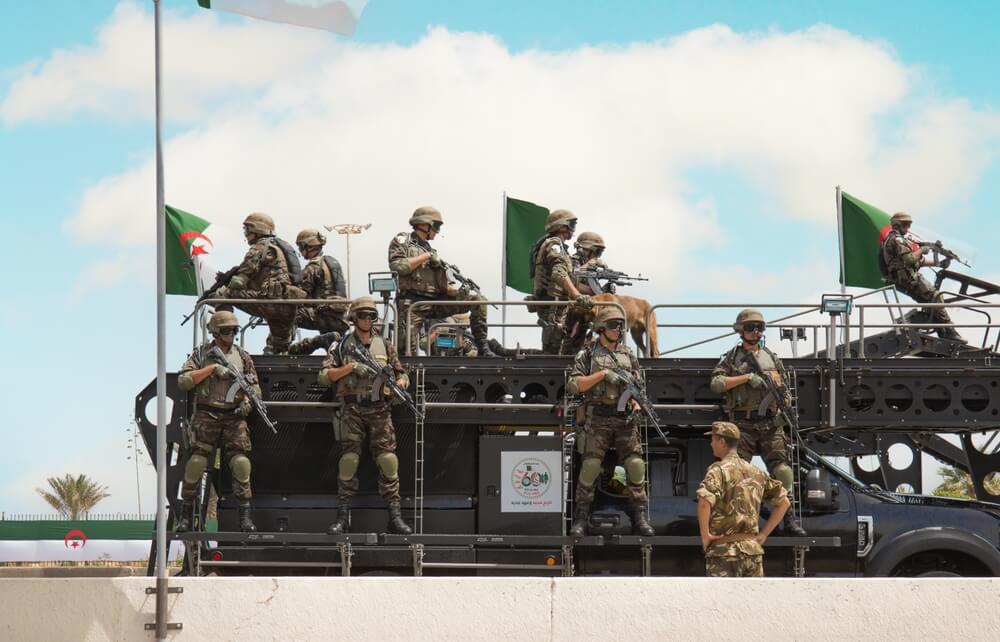
Algeria has approved its first-ever overseas combat deployment, sending troops into northern Niger in a
move being described this morning as the most dramatic shift in North African security policy in a
generation. The decision was confirmed by Algerian state media overnight and is being driven by what
Algiers calls an urgent need to protect critical energy infrastructure near the Niger–Libya tri-border
zone.
The deployment activates — for the first time ever — a constitutional amendment that permitted
Algerian forces to operate abroad under narrow conditions. Until now, Algeria had held firmly to a
doctrine of non-intervention written into its post-independence identity, a stance so rigid that
successive presidents refused even to join African Union stabilization missions.
Algerian officials have insisted the operation is defensive. A statement from the presidency this morning
stressed that soldiers will secure installations tied to a proposed Trans-Saharan gas pipeline, in which
Algeria is a major stakeholder, and will not conduct offensive operations against armed groups unless
fired upon. One senior official told state television that the mission is about protecting Algerian
economic interests, not fighting a war.
The move follows months of quiet escalation. In August, Algiers sent four Sukhoi Su-30 fighter jets, an
Il-78 refueling plane, and an Il-76 transport aircraft to Niamey air base after a coup attempt rattled
Niger’s junta. Days earlier, Algeria had delivered four military helicopters to Niger’s armed forces.
Today’s announcement moves that assistance from logistics support to boots on the ground.
Reaction across the region has been swift. Mali and Burkina Faso, both ruled by military juntas aligned
with Niger in the Alliance of Sahel States, welcomed the deployment as a sign that African security
problems need African solutions. France, which was expelled from the Sahel in a wave of coups between
2022 and 2024, has so far declined to comment. The European Union urged restraint and transparency.
Inside Algeria, the political debate is sharper. Opposition figures and veterans’ associations warned this
morning that the country is abandoning a sacred principle. A retired general told one independent
outlet that Algerian fathers fought so no Algerian soldier would ever again be ordered to fight on foreign
soil. Supporters of the deployment counter that the Sahel’s instability — and the growing presence of
Russian paramilitary successors to Wagner — directly threatens Algerian border security and energy
exports.
The economic stakes are enormous. The Trans-Saharan gas pipeline, if completed, could pump Nigerian
gas through Niger and Algeria to Europe, offering a long-sought alternative to Russian supply. Analysts
say protecting that corridor is now central to Algiers’ strategic calculus — enough to override a doctrine
that has defined its foreign policy for six decades.
For Niger’s rulers, Algerian support offers political legitimacy they have struggled to find elsewhere since
the 2023 coup. For the wider Sahel, it signals that a new regional security order is forming — one in
which Algeria, long reluctant to lead, may finally be stepping into the role.
The size of the initial deployment has not been disclosed. Algerian officials said parliament will be
briefed in a closed-door session later this week. The situation remains fluid and details could shift as
more official statements are released.