

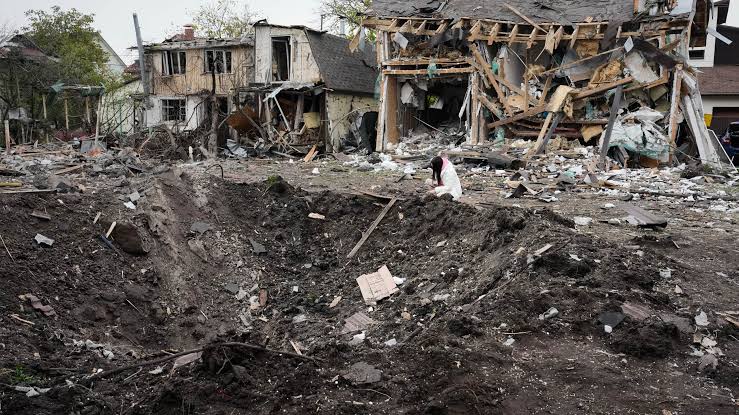
Russia launched one of its heaviest overnight air assaults on Kyiv in weeks, pounding the
Ukrainian capital with ballistic missiles, cruise missiles and a swarm of attack drones.
Ukrainian officials said at least one person was killed and more than a dozen injured as
debris slammed into residential buildings across three districts of the city.
Ukraine’s Air Force reported that Russia fired a combined 269 drones alongside ballistic
and cruise missiles in the overnight barrage. Air defences destroyed or suppressed 243
drones and four missiles, but strikes were recorded at 25 locations and falling debris
damaged structures in eight more. Rescue crews worked through the pre-dawn hours
clearing rubble, pulling residents from damaged apartment blocks and racing to restore
power in neighbourhoods knocked offline by the blasts.
The timing is politically explosive. The attack landed just hours after a fresh round of back channel discussions on a possible ceasefire framework, discussions that European
diplomats had cautiously described this week as the most promising in months. Ukrainian
President Volodymyr Zelensky accused Moscow of answering diplomacy with terror, calling
the strikes ‘a direct message that Russia has no intention of negotiating in good faith.’
Russia’s defence ministry framed the overnight operation as a strike on Ukrainian military industrial targets, a line it has used repeatedly even as civilian apartment blocks, hospitals
and energy facilities bear the brunt of the damage. Independent monitors say the pattern of
destruction in Kyiv’s Darnytskyi, Desnianskyi and Dniprovskyi districts points squarely at
residential infrastructure.
The scale of the drone wave is also drawing fresh attention to Russia’s rapidly expanding
Shahed-style production capacity. Western intelligence briefings in recent weeks have
warned that Moscow is now capable of launching several hundred one-way attack drones in
a single night, a tempo that is overwhelming Ukrainian air defence stocks faster than NATO
partners can replenish them.
The attack landed as European leaders prepare to meet in Brussels tomorrow for an
emergency session on a long-delayed air-defence package for Ukraine, including additional
Patriot interceptors and a proposed EU-financed drone-interceptor programme. Officials say the Kyiv strike will likely accelerate pledges that had been stalled over cost-sharing
disputes.
On the ground, residents described a night of blasts rolling across the city in waves
beginning just after 1 a.m. local time. ‘The windows exploded first, then everything went
black,’ one woman in Darnytskyi told Ukrainian television from a shelter. ‘We ran down
with the children. There was fire on the next street.’
The strike also comes amid growing concern about pressure on Ukraine’s power grid as
winter approaches. Energy workers were still assessing damage at midday, but officials
warned of possible rolling blackouts in parts of Kyiv and surrounding districts if substation
damage is confirmed.
For Kyiv’s millions of residents, who have endured more than three and a half years of fullscale war, the overnight attack is another grim reminder that even cautious talk of peace
has not yet translated into safer skies. Analysts say the coming days — especially the
Brussels meeting — will test whether Western capitals have the political will to match
Moscow’s escalating tempo with equally urgent action.