

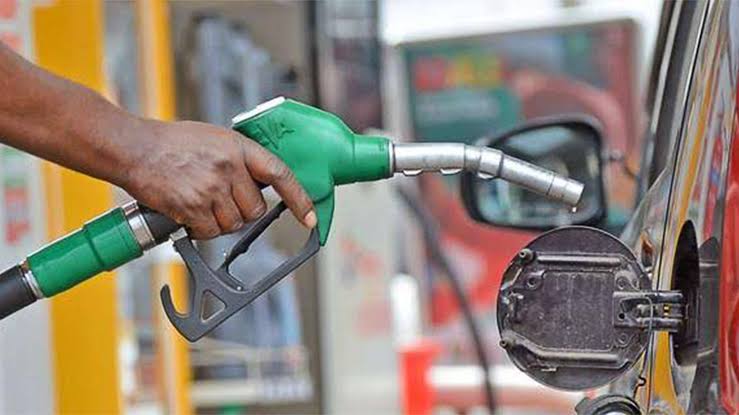
Another increase in petrol prices is putting fresh pressure on Nigerian households and businesses, with pump prices climbing towards ₦1,400 per litre in parts of the country.
The latest increase follows a sharp rise in global crude oil prices, which have moved above $100 a barrel amid escalating conflict in the Middle East and concerns over disruptions to global energy supplies.
In Lagos and surrounding areas, MRS filling stations have raised petrol prices to about ₦1,400 per litre from ₦1,300, a ₦100, or 7.7 per cent, increase. NNPC stations have also moved prices to around ₦1,375 per litre, while some independent marketers are selling at similar or higher levels.
The latest increase follows a series of adjustments by the Dangote Petroleum Refinery, which raised its petrol gantry price from ₦1,265 to ₦1,350 per litre effective September 12. The latest ₦85 increase was the refinery’s fourth upward price review since August 21.
The higher prices are feeding directly into transportation costs. Commercial drivers face increased operating expenses, while commuters are confronting higher fares as operators pass on the additional fuel costs.
Businesses are also feeling the impact. Companies that depend on road transportation, generators and fuel-intensive logistics are facing higher operating costs, raising the prospect of further increases in the prices of goods and services.
For households, the timing is particularly difficult as families contend with rising food, education and other living expenses. Higher transport costs can quickly translate into more expensive food and consumer goods because distributors must spend more to move products between farms, markets and shops.
Economists and business groups have warned that sustained increases in petrol prices could intensify inflationary pressure and further reduce household purchasing power.
The government faces a difficult policy challenge. Nigeria’s removal of the petrol subsidy was designed to reduce the financial burden on public finances and allow market forces to determine fuel prices. But consumers remain exposed to international oil-price shocks despite the country’s growing domestic refining capacity.
The current situation also highlights the importance of securing reliable domestic crude supplies for Nigerian refineries. A stronger local refining sector could reduce dependence on imported refined products, but domestic pump prices remain sensitive to the cost of crude and other market factors.
For millions of Nigerians, the immediate concern is straightforward: how much higher will transportation and everyday living costs go if global oil prices remain elevated?
With international energy markets still volatile, the latest petrol increase could mark another difficult period for households and businesses already struggling with the country’s high cost of living.