
President Bola Tinubu has directed the rollout of 500 additional compressed natural gas (CNG) stations across Nigeria as part of efforts to reduce transportation costs and accelerate the country’s transition away from petrol-powered vehicles.
The directive is aimed at expanding access to CNG, which the government has promoted as a cheaper alternative to petrol and diesel for motorists and commercial transport operators.
The administration began its CNG programme after the removal of the petrol subsidy in 2023 sent transport and fuel costs sharply higher. Officials have argued that increasing the availability of CNG could help cushion households and businesses from high petrol prices.
The new stations are expected to be distributed across different parts of the country, with priority given to areas where demand for public and commercial transportation is high.
Government officials say expanding the CNG network will make it easier for transport operators to switch to gas-powered vehicles without having to travel long distances to refuelling points.
The initiative is also linked to Nigeria’s broader plan to take advantage of its large natural-gas reserves while reducing dependence on imported petroleum products.
For millions of Nigerians, however, the key test will be whether the expansion translates into lower fares.
Transport costs have remained a major burden since the petrol subsidy was removed, contributing to higher household expenses and putting additional pressure on businesses that rely heavily on road transportation.
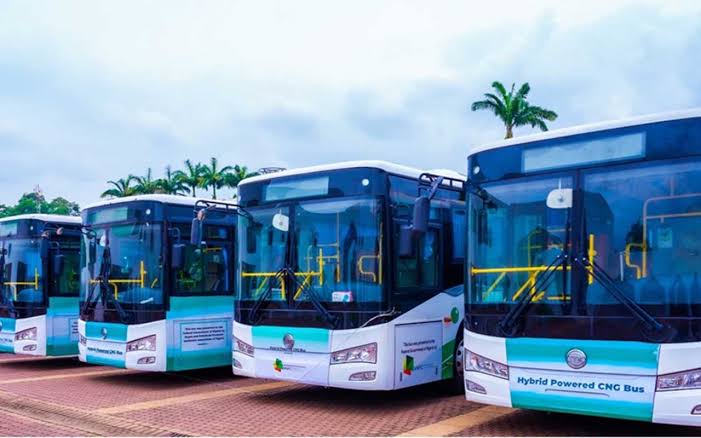
The government hopes that cheaper fuel, combined with greater availability of CNG-powered buses and vehicles, will eventually reduce operating costs for transport companies and commercial drivers.
There are, however, challenges. Nigeria will need sufficient gas supplies, reliable infrastructure and investment in conversion facilities to ensure that the expanded network can operate effectively.
The availability of affordable CNG vehicles is another important factor. Many commercial drivers cannot easily afford conversion costs or replace existing petrol-powered vehicles without financial assistance.
The government has therefore linked its CNG programme with vehicle-conversion initiatives and financing schemes designed to encourage adoption.
President Tinubu’s latest directive signals a renewed push to make CNG a significant part of Nigeria’s transport system.
If successfully implemented, the additional 500 stations could expand the reach of the programme and give motorists more alternatives to petrol.
For now, the government faces pressure to move quickly. With transportation costs continuing to affect the cost of living, Nigerians will be watching closely to see whether the CNG expansion delivers the promised relief at the roadside.