
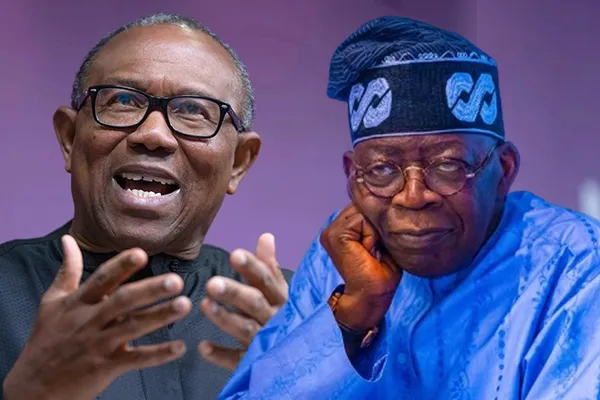
The Presidency has strongly rejected calls by Labour Party presidential candidate Peter Obi for President Bola Ahmed Tinubu to resign, describing the demand as “childish, hollow, and lacking in substance.”
The response follows comments by Obi criticizing the Tinubu administration over the country’s economic and security challenges. The former Anambra State governor argued that the government had failed to deliver on key promises and suggested that the president should take responsibility for the nation’s difficulties.
In a statement issued by presidential aides, the Presidency dismissed Obi’s remarks as politically motivated and disconnected from the realities facing the country. Officials maintained that the administration remains focused on implementing reforms designed to stabilize the economy, strengthen security, and lay the foundation for long-term growth.
According to the Presidency, many of the challenges currently confronting Nigeria predate the Tinubu administration and require sustained policy interventions rather than political rhetoric. Government officials pointed to ongoing economic reforms, infrastructure projects, and security operations as evidence of efforts to address national concerns.
The exchange marks the latest chapter in the increasingly sharp political rivalry between the ruling All Progressives Congress (APC) and the Labour Party. Since the 2023 presidential election, both sides have frequently clashed over governance, economic policy, and the direction of the country.
Supporters of Obi have defended his comments, arguing that opposition leaders have a responsibility to hold the government accountable. They contend that rising living costs, inflation, unemployment, and insecurity justify stronger criticism of the administration’s performance.
Meanwhile, supporters of President Tinubu insist that the government’s reform agenda requires time to produce results. They argue that difficult decisions, including the removal of fuel subsidies and foreign exchange reforms, were necessary steps toward addressing long-standing structural problems within the economy.
Political analysts say the war of words reflects the broader debate over the impact of the administration’s policies nearly three years after Tinubu assumed office. While government officials point to improving economic indicators, many Nigerians continue to express concern over the rising cost of living and persistent economic hardship.
As political tensions continue to shape national discourse, both the government and opposition are expected to intensify efforts to win public support ahead of future electoral contests. For now, the Presidency has made clear that it considers calls for the president’s resignation to be unwarranted and politically driven.
The latest disagreement underscores the deep divisions in Nigeria’s political landscape as competing narratives emerge over the country’s progress, challenges, and future direction.