

A BBC investigation has alleged that oil giant Shell ignored repeated internal warnings about the condition of a major pipeline in Nigeria’s Niger Delta for several years before significant oil spills occurred.
According to the investigation, company documents and internal communications suggest concerns were raised regarding the aging infrastructure and the risk of leaks. Despite these warnings, critics claim sufficient action was not taken to prevent environmental damage in communities located along the pipeline route.
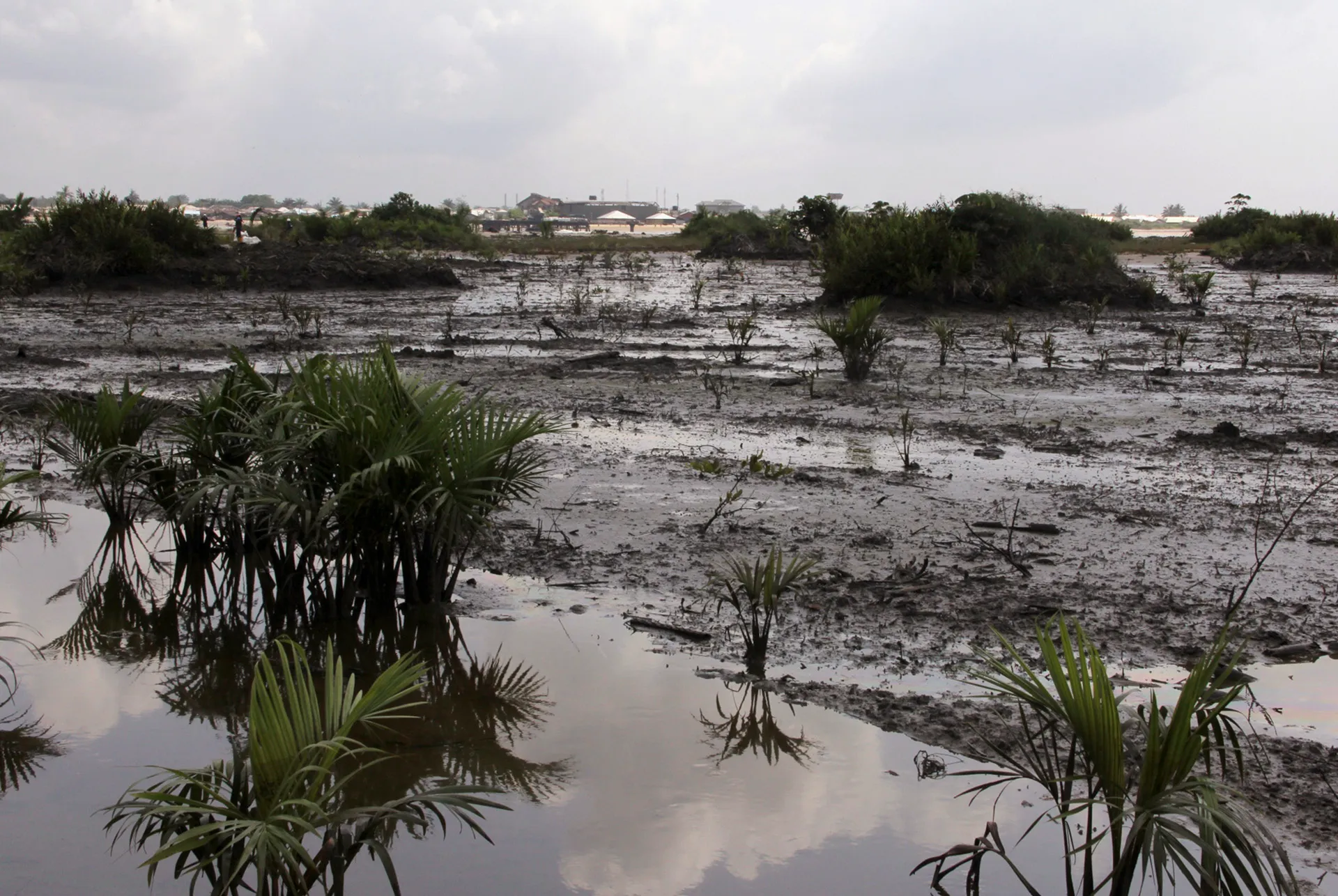
The Niger Delta, one of the world’s most oil-rich regions, has long faced challenges linked to oil pollution. Local residents have repeatedly complained about contaminated water sources, damaged farmland, and declining fishing activities resulting from spills and environmental degradation.
Environmental groups argue that poor maintenance of oil infrastructure has contributed to repeated incidents across the region. They maintain that oil companies operating in the Delta have a responsibility to ensure pipelines are properly monitored, repaired, and replaced when necessary.
Shell has consistently stated that many spills in the Niger Delta are caused by oil theft, sabotage, and illegal refining activities, which remain widespread challenges in the area. The company has also emphasized its commitment to pipeline safety, environmental protection, and cleanup efforts where spills occur.
The BBC report is likely to renew scrutiny of the environmental record of multinational oil companies operating in Nigeria. It may also increase pressure on regulators and policymakers to strengthen oversight of critical oil infrastructure.
For affected communities, the controversy highlights longstanding concerns about accountability and environmental justice. Many residents continue to seek compensation, cleanup measures, and assurances that similar incidents will not occur in the future.
As questions mount over the findings of the investigation, stakeholders across the oil industry, government, and civil society are expected to closely monitor any official responses and potential regulatory actions that may follow.