
Amnesty International and Human Rights Watch condemn the military junta’s latest move to silence dissent, warning of a systematic erasure of democratic space.
Burkina Faso’s military government has dissolved 118 non-governmental organizations and associations in what human rights groups are calling the most aggressive assault on civil society in the country’s history, deepening concerns about the erosion of fundamental freedoms across the Sahel region.
The Ministry of Territorial Administration and Mobility announced the mass dissolution on April 15, citing “current legal provisions” but offering no specific justification for why each organization was targeted. Among the dissolved groups are well-known human rights organizations including Action by Christians Against Torture and the Burkinabe Coalition for Women’s Rights, both of which were operational and appeared to meet all legal requirements.
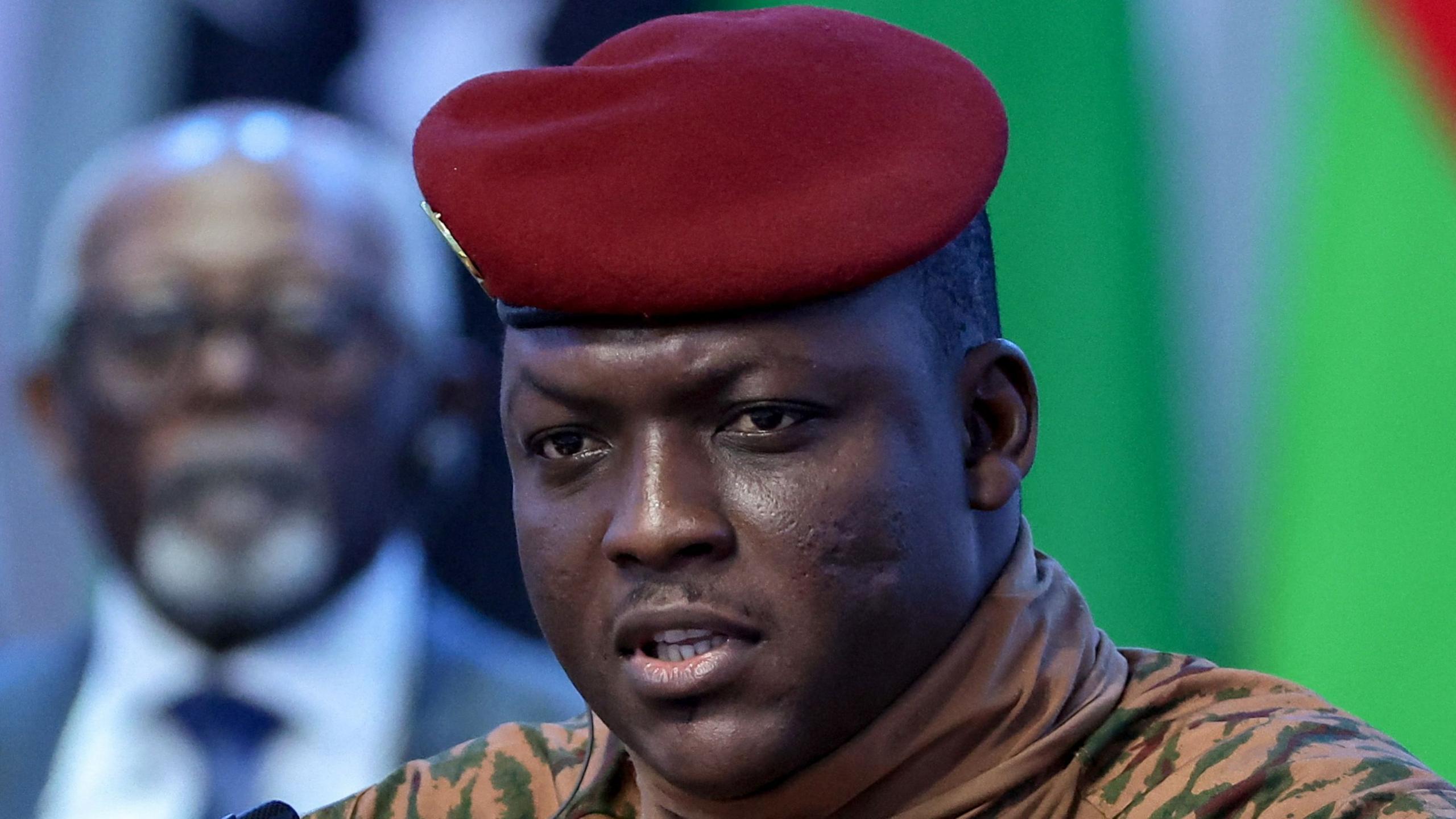
Amnesty International issued a blistering response, calling the move part of an “intensifying crackdown” designed to silence any voice of dissent under the junta led by Captain Ibrahim Traore. Human Rights Watch followed with its own condemnation on Sunday, publishing a detailed report documenting the systematic dismantling of civic space in Burkina Faso since the military seized power.
The dissolutions do not exist in a vacuum. They are the latest in a cascading series of authoritarian measures that have fundamentally transformed the country’s political landscape. In January 2026, the junta dissolved all political parties after three years of suspension. In November 2025, a presidential decree forced all national and international NGOs to close their accounts with commercial banks and transfer their funds to a newly created state-controlled bank, giving the military direct oversight of civil society finances.
Legal experts say the mass dissolution directly violates Burkina Faso’s own constitution, which guarantees freedom of association. It also contravenes the country’s obligations under the African Charter on Human and Peoples’ Rights and the International Covenant on Civil and Political Rights, both of which Burkina Faso has ratified.
The crackdown reflects a broader and deeply troubling trend across the Sahel, where military juntas in Mali, Niger, and Burkina Faso have progressively curtailed democratic freedoms while consolidating power. All three countries withdrew from the Economic Community of West African States in January 2025 and formed the Alliance of Sahel States, a bloc critics describe as a mutual protection pact for military rulers.
Captain Traore, who seized power in a September 2022 coup and is the country’s second military leader in eight months following an earlier coup in January 2022, initially promised a swift return to civilian rule. Instead, the military transition was extended by five years in May 2024, with no credible timeline for elections.
International humanitarian organizations are particularly alarmed because many of the dissolved NGOs were providing essential services in a country ravaged by jihadist violence. Burkina Faso is in the grip of one of the world’s fastest-growing displacement crises, with over 2 million people internally displaced by attacks from groups linked to al-Qaeda and the Islamic State.
With civil society organizations shuttered and independent media increasingly muzzled, there are few remaining checks on the junta’s power. Journalists have been detained, social media platforms have been restricted, and foreign correspondents from French media outlets have been expelled.
The African Union has issued only tepid statements in response, drawing frustration from human rights advocates who accuse the continental body of prioritizing diplomatic relationships with military governments over the rights of ordinary citizens. The European Union, meanwhile, has suspended development aid to Burkina Faso, a move the junta has used to fuel anti-Western sentiment.
For the millions of Burkinabe who depend on the services these NGOs provided, from legal aid to maternal healthcare to food distribution, the impact will be immediate and devastating. The message from the military government is unmistakable: in Traore’s Burkina Faso, there is no room for organized dissent.