

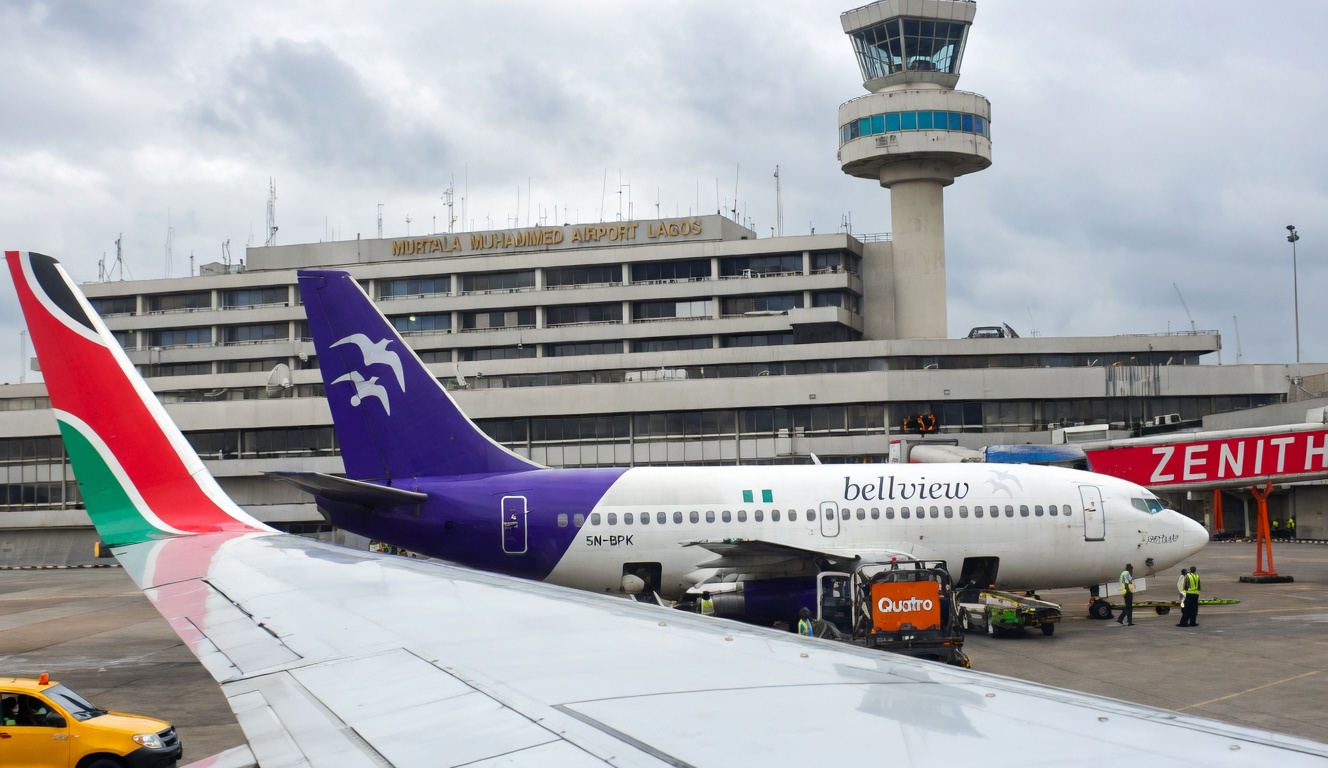
Airline operators warn that domestic flights could be grounded from April 20 as aviation fuel prices spike from N900 to N3,300 per litre in just weeks.
If you have a domestic flight booked in Nigeria next week, you might want to make alternative plans. The Airline Operators of Nigeria has issued a stark warning: all domestic flights in the country could be suspended starting Monday, April 20, unless urgent action is taken to address the skyrocketing cost of aviation fuel.
The numbers tell the story. The price of Jet A1, the standard aviation fuel used by commercial airlines, has surged from approximately 900 naira per litre at the end of February to a staggering 3,300 naira per litre as of this week. That is an increase of over 300 percent in less than seven weeks, a price shock that airline operators say makes continued operations financially impossible.
What makes the situation particularly infuriating for the aviation industry is that the price spike appears to be artificial. While global crude oil prices have risen by roughly 30 percent during the same period due to the Iran war and Strait of Hormuz disruptions, the 300 percent increase in domestic jet fuel prices far exceeds what international market conditions would justify.
The AON has placed the blame squarely on domestic fuel marketers, accusing them of actions that are decimating the aviation industry. The organization warned that the ripple effects extend far beyond airlines, threatening Nigeria’s broader economy, transport infrastructure, and national security.
The crisis is not hypothetical. At least one airline has already grounded all operations since March 13, unable to absorb the fuel costs. Other carriers are reportedly operating at a loss, caught in an impossible bind: raise ticket prices to reflect the true cost of fuel and risk flying empty planes, or continue absorbing losses that will eventually force a total shutdown.
Aviation fuel typically accounts for over 40 percent of an airline’s operational costs. At current prices, several operators say their fuel bills now exceed their total revenue, a situation that is obviously unsustainable. The math simply does not work, and the operators are warning that the industry is days away from a breaking point.
The stakes for ordinary Nigerians are enormous. The country’s road infrastructure is notoriously poor and dangerous, making air travel the preferred and often safest option for long-distance domestic travel. Cities like Lagos, Abuja, Port Harcourt, and Kano are separated by hundreds of kilometers of poorly maintained highways where accidents and security incidents are common.
A total shutdown of domestic flights would disrupt business travel, government operations, tourism, medical evacuations, and the movement of cargo. It would also send a devastating signal to international investors and partners about the stability of Nigeria’s business environment.
The AON has addressed its warning to the highest levels of government. Copies of the shutdown notice were sent to President Bola Ahmed Tinubu, Vice President Kashim Shettima, the Minister of Aviation and Aerospace Development Festus Keyamo, the Nigerian Civil Aviation Authority, and the Department of State Services. The message is clear: this is not a negotiating tactic, it is a survival warning.
With the April 20 deadline now just four days away, all eyes are on the government’s response. The Major Energies Marketers Association of Nigeria, which was the primary addressee of the AON letter, has yet to issue a public response. Meanwhile, Nigerian travelers are left wondering whether they will be able to fly next week, and what alternatives exist if the skies go silent.