
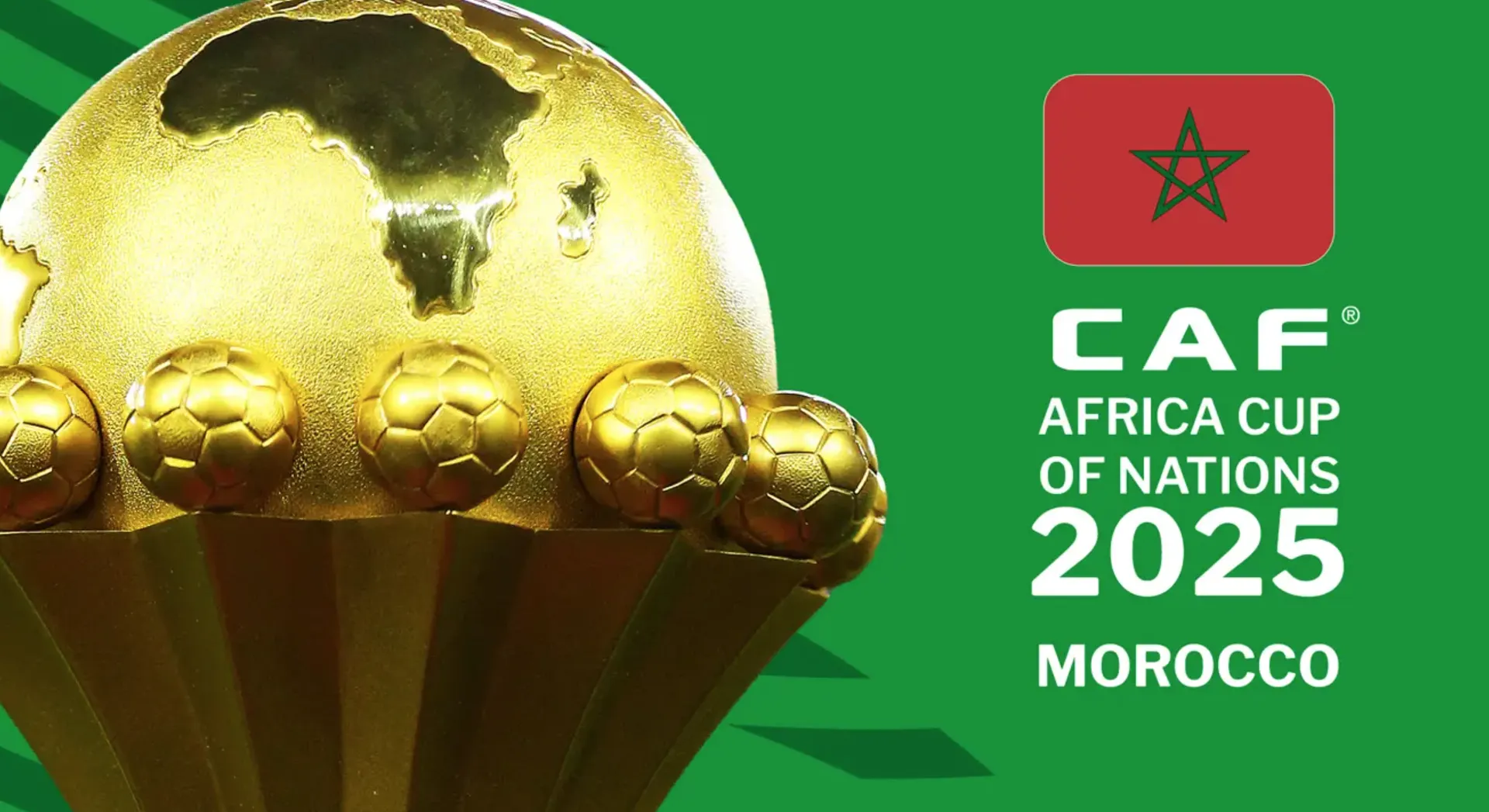
In an unprecedented reversal, the Confederation of African Football overturns the January final result, awarding Morocco a 3–0 default victory and its first continental title in 50 years.
The Africa Cup of Nations has never seen anything quite like this. Two months after Senegal celebrated a hard-fought 1–0 extra-time victory over Morocco in the final at Rabat’s Prince Moulay Abdellah Stadium, the Confederation of African Football (CAF) has ripped up the result and declared Morocco the rightful champions of AFCON 2025. The decision, announced on March 17, 2026, marks the first time in the tournament’s nearly seven-decade history that a final result has been overturned after the trophy was lifted.
A Final Marred by Chaos
The January 18 final was supposed to crown one of Africa’s heavyweight footballing nations in front of a packed home crowd. Instead, it descended into one of the most chaotic matches the continental showpiece has ever witnessed.
With the score level at 0–0 deep into stoppage time, referee Jean-Jacques Ndala of the Democratic Republic of Congo made a series of decisions that would ignite a firestorm. First, a Senegal goal was chalked off for a foul, despite replays showing minimal contact on Morocco defender Achraf Hakimi. Moments later, Ndala pointed to the penalty spot after judging that Brahim Díaz had been fouled inside the box.
The back-to-back decisions proved too much for the Senegalese camp. Head coach Pape Thiaw led his players off the field in protest, bringing the final to a standstill for approximately 17 minutes. Visiting fans clashed with security forces in the stands as the stadium atmosphere turned toxic. Eventually, and under pressure from match officials, the Senegal team returned to the pitch.
When play resumed, Díaz’s Panenka-style penalty was saved by goalkeeper Édouard Mendy. The match went to extra time, where Senegal struck the decisive goal to claim what appeared to be a dramatic 1–0 triumph. The Lions of Teranga celebrated on the pitch, the trophy was lifted, and Senegal seemingly had its second AFCON title in three editions, following their maiden triumph in 2021.
Morocco’s football federation (FRMF) wasted no time in lodging an official complaint. Their argument was anchored in Articles 82 and 84 of the AFCON Regulations, which state that if a team refuses to play or leaves the field without the referee’s authorization, it forfeits the match with a recorded scoreline of 3–0.
The CAF Disciplinary Board initially ruled in a middle-ground fashion: it imposed fines exceeding $1 million on both teams for the chaos but allowed Senegal’s victory to stand. Morocco appealed that decision, and the CAF Appeal Board took a different view entirely.
In its ruling, the Appeal Board stated that Senegal was “declared to have forfeited the Final Match,” with the result recorded as a 3–0 victory for Morocco. The board concluded that by walking off the pitch, Senegal’s conduct fell squarely within the scope of the forfeiture provisions, regardless of what happened after they returned. The fact that they eventually resumed play and won the match in extra time was deemed irrelevant.
A Historic Title for Morocco
The ruling hands Morocco its first Africa Cup of Nations title since 1976, ending a half-century wait that had become a source of national sporting frustration. As the host nation of the 2025 tournament, Morocco had invested heavily in infrastructure, organization, and its squad’s preparation.
The FRMF released a statement welcoming the verdict, emphasizing that their appeal was not about challenging any team’s sporting performance but rather seeking the proper application of the competition’s regulations.
Yet for many observers, the victory feels hollow. Morocco did not win the match on the pitch, and the manner of their coronation—via a boardroom ruling two months after the final whistle—has divided opinion across the continent and beyond.
Senegal’s Fury and the Road to CAS
Senegal has reacted with outrage. Players posted angry messages across social media, and the Senegalese Football Federation confirmed it would appeal the decision. Abdoulaye Seydou Sow, secretary general of the federation, was defiant: the federation would not back down, he said, insisting the law was on their side.
Any appeal would likely be directed to the Court of Arbitration for Sport (CAS) in Lausanne, Switzerland. Such cases typically take around a year to resolve, meaning the dispute will likely rumble on well past the 2026 FIFA World Cup, where both nations are set to compete in the United States, Canada, and Mexico.
The fallout from the ruling adds an intriguing subplot to both teams’ World Cup campaigns. Senegal has been drawn into a group alongside France, Norway, and a playoff bracket winner, with matches set for MetLife Stadium in New Jersey. Morocco, meanwhile, faces a daunting opener against Brazil at the same venue, alongside Scotland and Haiti in their group.
Complicating matters further for Morocco, head coach Walid Regragui departed two weeks before the CAF ruling, having faced fierce criticism for failing to win the AFCON title in regulation time. His successor will now inherit a squad that holds the trophy—however controversially—and the pressure that comes with defending it while navigating a World Cup campaign.
The decision has split African football opinion. Supporters of the ruling argue that the regulations are clear: walking off the field is an act of forfeiture, and no team should be above the rules. Others contend that applying a forfeiture clause retroactively—when the match was ultimately completed—sets a dangerous precedent and undermines the sporting integrity of the competition. For now, Morocco are officially the 2025 Africa Cup of Nations champions. Whether that title ultimately stands may depend on the judgment of a court in Switzerland. But whatever the legal outcome, the scars from one of the most contentious chapters in African football history will take far longer to heal.