

Harare’s immediate ban on raw lithium and mineral concentrate exports is the continent’s most aggressive move yet to capture value from the global green energy boom
Zimbabwe just made one of the boldest economic moves on the African continent this year. The government has fast-tracked an immediate ban on all raw mineral and lithium concentrate exports. From now on, only companies with operational, government-approved processing plants will be allowed to ship minerals out of the country.
On the surface, this is about lithium — the so-called ‘white gold’ that powers everything from your smartphone to electric vehicles. Zimbabwe sits on some of the largest lithium deposits in the world, estimated to be worth tens of billions of dollars. But for decades, like much of Africa’s mineral wealth, that lithium has been dug out of the ground and shipped overseas for other countries to process, refine, and profit from.
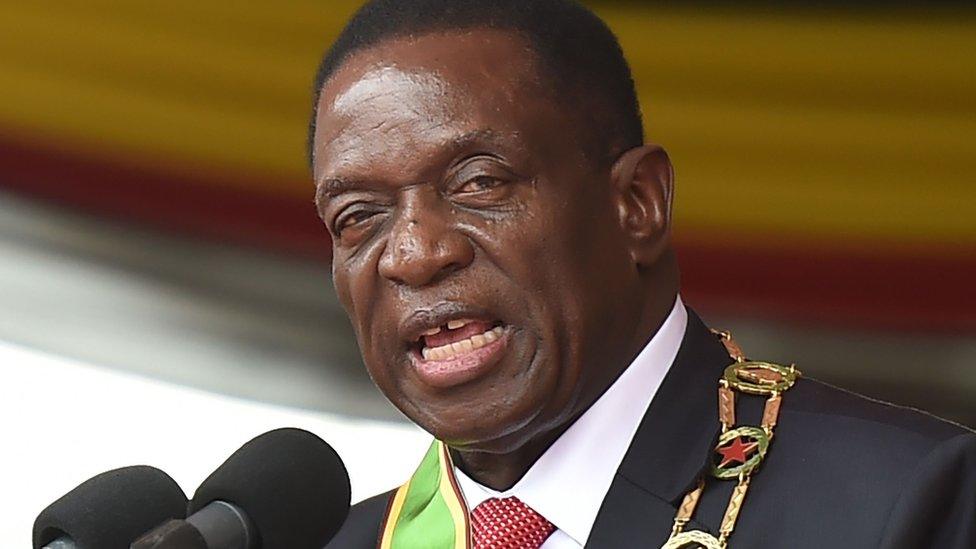
Zimbabwe’s President Emmerson Mnangagwa is essentially saying: that era is over. If you want our lithium, you build the processing plant here. You hire Zimbabwean workers. You pay Zimbabwean taxes. You leave the value here.
It is a philosophy that is gaining traction across the continent. The Democratic Republic of Congo has made similar noises about its cobalt. Namibia banned raw lithium exports in 2023. Tanzania has tightened its mining laws. The African Union has been pushing a continent-wide critical minerals strategy. The argument is simple and persuasive: Africa holds roughly 30 percent of the world’s critical minerals but captures less than 5 percent of the global value chain. That math does not work for a continent trying to industrialize.
But the risks are real. Mining companies, particularly Chinese firms that dominate Zimbabwe’s lithium sector, may simply redirect investment to countries with fewer restrictions. Building processing infrastructure requires massive capital, reliable electricity (something Zimbabwe struggles with), and technical expertise that takes years to develop. In the short term, export revenues will drop. Jobs at extraction-only operations could disappear.
The Chinese factor is especially complex. Chinese companies like Sinomine and Zhejiang Huayou Cobalt have invested hundreds of millions of dollars in Zimbabwean lithium mines. China processes the vast majority of the world’s lithium. Beijing is unlikely to welcome a policy that disrupts its supply chain, and the diplomatic pressure behind closed doors will be significant.
Then there is the timing. The global lithium market has been volatile. Prices surged in 2022, crashed in 2023-2024, and have been recovering unevenly since. Forcing a transition to in-country processing during a period of price uncertainty adds another layer of risk.
Yet the counter-argument is equally compelling: if not now, when? The green energy transition is accelerating. Demand for lithium, cobalt, manganese, and rare earth minerals will only grow. If African nations do not capture value now, while their minerals are essential to the global economy, they may never get a better negotiating position. Zimbabwe’s ban is a gamble. But it is a calculated one, and it reflects a broader shift in how African governments think about their natural resources. The old model — dig it up, ship it out, hope for the best is dying. What replaces it will define Africa’s economic trajectory for the next generation