

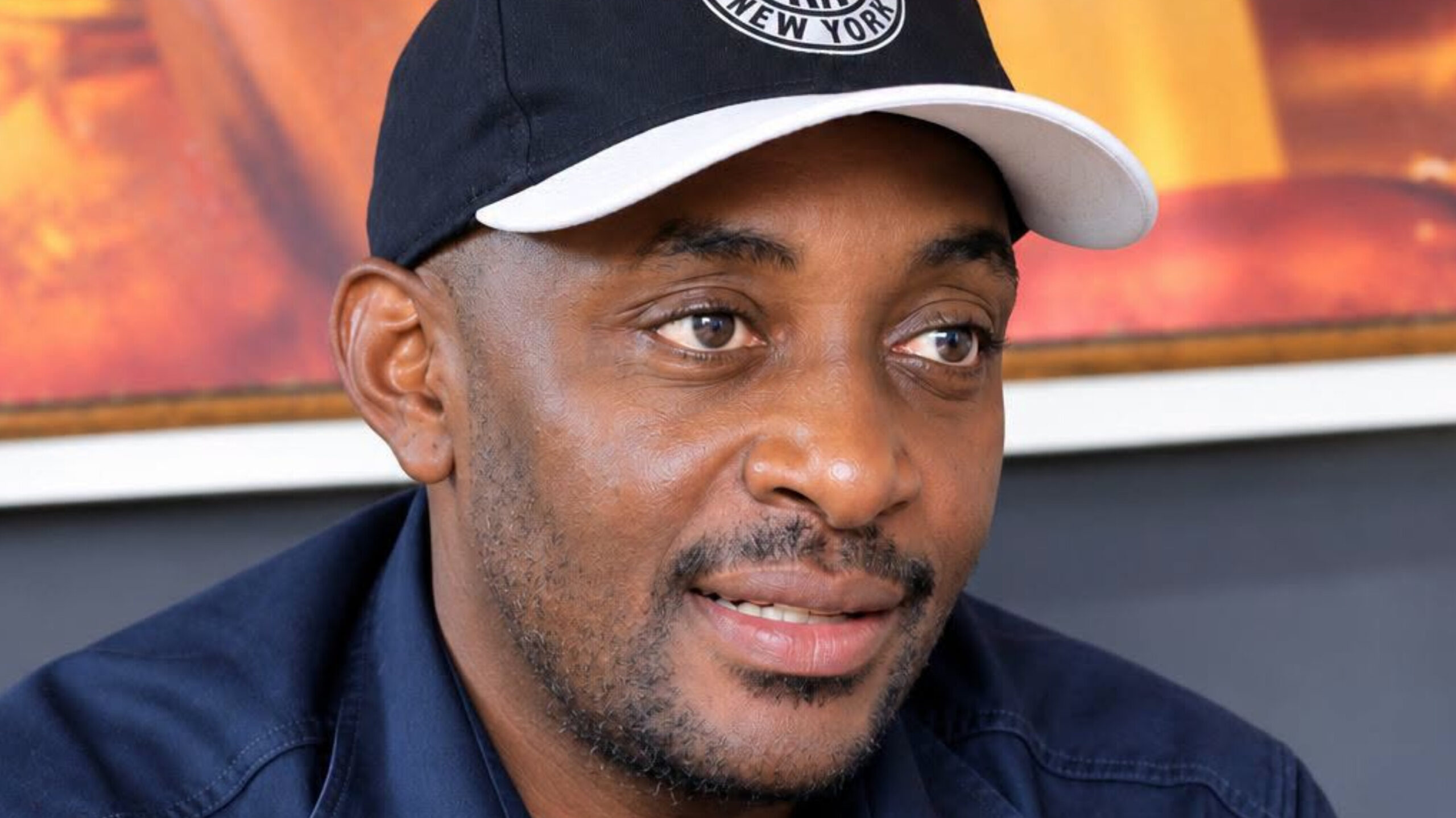
The killing of Robert Kabera, a vocal Kagame critic who had sought refuge in Uganda, has triggered demands for an urgent investigation and raised fresh questions about the reach of political violence across the Great Lakes.
The body of Robert Kabera, a 50-year-old former Rwandan army sergeant major turned
outspoken government critic, was discovered on the outskirts of Kampala in the early hours
of Tuesday. According to initial reports confirmed within the last several hours, Kabera had
been beheaded, and Ugandan police have opened a homicide investigation.
Kabera, who had cultivated a sizeable YouTube following with blistering commentary on
President Paul Kagame’s inner circle, fled Rwanda years ago citing political persecution. He
had been granted asylum in Uganda, where a community of exiled Rwandan dissidents has
grown steadily — and, by their own account, uneasily — for more than a decade.
Opposition figures were quick to react. The Rwanda National Congress, the exiled opposition
platform founded by former Kagame allies turned adversaries, called for ‘a thorough and
independent investigation,’ pointedly adding that ‘the pattern of violence against Rwandan
dissidents abroad can no longer be ignored.’ Kigali has not yet publicly responded.
The killing lands in an already fraught moment. Relations between Rwanda and Uganda, long
shadowed by mutual accusations of hosting each other’s dissidents, have been slowly thawing
after years of border closures and diplomatic chill. Analysts warn that Kabera’s death —
depending on what investigators find — could stall or reverse that rapprochement.
Human rights groups have documented a string of attacks on Rwandan critics living abroad
over the past decade, from South Africa to Belgium to Mozambique. Rwandan authorities
have consistently denied involvement in extraterritorial violence, and Kigali has repeatedly
described such allegations as politically motivated smears.
Ugandan security sources, speaking on condition of anonymity because the investigation is
ongoing, said Kabera was last seen leaving a residence in a Kampala suburb on Monday
evening. The circumstances of his abduction, if that is what it was, are still being pieced
together, and no suspects have been publicly named.
For the exile community, the message is chilling regardless of who ultimately proves
responsible. Several prominent Rwandan dissidents based in Kampala reportedly moved to
safe locations overnight, and civil society groups are urging the Ugandan government to step
up protection for registered political refugees.
The broader regional context matters here. The Great Lakes remains one of the most
politically combustible neighborhoods on the continent, with eastern DRC still smoldering,
Burundi recalibrating its posture, and Rwanda’s own role in regional conflicts under renewed
international scrutiny. A high-profile killing of a Kagame critic on Ugandan soil threatens to
draw all of those tensions into one knot.
What happens next will hinge on two things. First, whether Ugandan investigators can — and
are willing to — follow the evidence wherever it leads, including across borders. Second, whether international partners, several of whom have been reassessing security cooperation with Kigali, treat this as a diplomatic inflection point or quietly let it fade.
For Kabera’s followers, who tuned in weekly to hear him dissect Rwandan politics with the
fluency of an insider, the shock is personal. ‘He knew the risks,’ one subscriber wrote on his channel this morning. ‘He just thought exile was supposed to mean safety.’