
Over 1,000 Kenyans were secretly recruited to fight in Russia’s war. Many were tricked. Now Kenya just forced Russia to agree to stop
Russia has agreed to stop recruiting Kenyan citizens to fight in its war against Ukraine, Kenya’s Foreign Minister Musalia Mudavadi announced on Monday following diplomatic talks in Moscow with his Russian counterpart Sergey Lavrov.
The agreement comes after a Kenyan intelligence report presented to lawmakers in February revealed a staggering finding: more than 1,000 Kenyans had been recruited to fight on Russia’s side in the Ukraine conflict. That figure was five times higher than previous government estimates and sent shockwaves through Kenyan society.
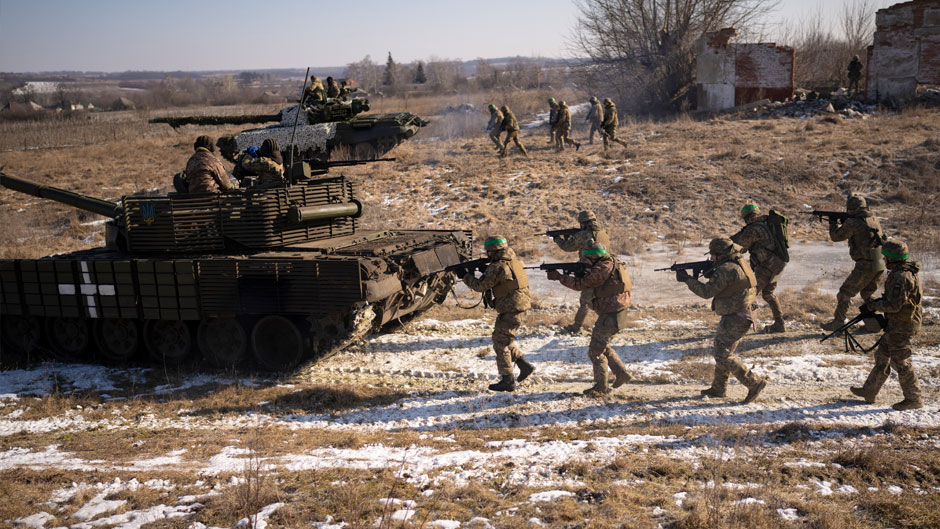
Kenyan media have extensively documented how Russian recruitment networks targeted poor young men in urban and rural areas, with many recruits claiming they were tricked or pressured into signing up. Some were promised lucrative salaries and Russian citizenship, only to find themselves on the front lines of one of the world’s deadliest conflicts with minimal training.
Mudavadi told reporters in Moscow that the two sides had reached a clear understanding. He confirmed that consular services would be organized for Kenyans currently in Russia who require assistance through proper diplomatic channels. The minister described the talks as constructive and said both countries were committed to maintaining their broader diplomatic relationship.
Notably, Russian Foreign Minister Lavrov did not explicitly confirm the recruitment ban in his own remarks to the press. Instead, he said the Russian Defence Ministry was looking into cases that had caused concern among Kenya. This diplomatic ambiguity has left some analysts skeptical about whether Russia will fully honor the commitment.
The recruitment scandal highlighted a broader pattern across Africa, where Russia has been accused of enlisting fighters from several countries to supplement its forces in Ukraine. Reports from countries including Rwanda, Uganda, and several West African nations have surfaced over the past year, though Kenya’s case has been the most extensively documented.
For Kenya, the issue strikes at the intersection of economic vulnerability and geopolitical exploitation. Many of the recruited men came from impoverished backgrounds with limited employment prospects, making them easy targets for recruiters promising financial stability abroad.
The diplomatic resolution represents a significant win for Mudavadi and the Kenyan government, which faced domestic pressure to act decisively after the intelligence report went public. However, human rights organizations have called for more than just a verbal agreement, demanding concrete mechanisms to track compliance and repatriation assistance for Kenyans currently serving in the Russian military.
The development also comes amid broader African diplomatic activity with Russia, including Madagascar’s interim president courting closer ties with Moscow. As the Ukraine conflict grinds on, African nations increasingly find themselves navigating the complex dynamics of great-power competition on their own doorsteps.