
Paris | July 20, 2026
A French appeals court has upheld the 27-year prison sentence imposed on former Rwandan doctor Eugène Rwamucyo for his role in the 1994 genocide against the Tutsi, bringing to a close one of France’s most significant genocide prosecutions under the principle of universal jurisdiction. (The New Times)
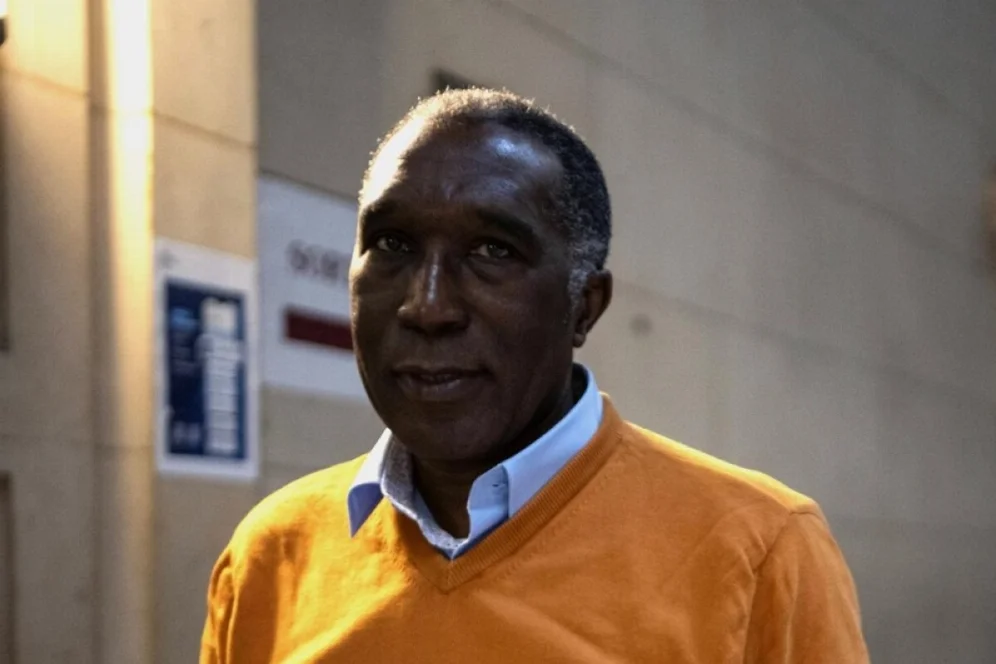
The Paris Assize Court of Appeal confirmed the sentence handed down in October 2024 after rejecting Rwamucyo’s appeal. As in the original trial, the court found the 67-year-old guilty of complicity in genocide, complicity in crimes against humanity, and participation in a conspiracy to prepare those crimes. He was again acquitted of the direct charges of genocide and crimes against humanity. (whatsupdoc-lemag.fr)
French prosecutors had sought a harsher 30-year prison term during the appeal proceedings, arguing that Rwamucyo played a central role in facilitating massacres in Rwanda’s southern Butare prefecture during the 1994 genocide. The appellate judges, however, ruled that the original 27-year sentence remained appropriate. (The New Times)
During the first trial, prosecutors alleged that Rwamucyo, then director of the University Centre for Public Health in Butare, helped organize the disposal of victims’ bodies in mass graves and supported authorities implementing the genocide. Witnesses also placed him at massacre sites and described his involvement with local officials as killings spread through the region. Rwamucyo has consistently denied the allegations, maintaining that his actions were part of his medical and public health responsibilities rather than participation in mass atrocities. (Le Monde.fr)
The appeal trial, which ran from June 9 to July 17 in Paris, revisited testimony from survivors, historians and investigators examining events in Butare, one of the last prefectures in Rwanda to experience large-scale killings during the genocide. Defense lawyers challenged witness credibility and argued that prosecutors had failed to prove their client’s criminal intent, while civil parties maintained that the evidence demonstrated his active support for the genocidal regime. (collectifpartiescivilesrwanda.fr)
Rwamucyo fled Rwanda after the genocide and later settled in France, where he continued working in the medical profession before his arrest. French authorities prosecuted the case under universal jurisdiction, which allows national courts to try suspects accused of genocide, crimes against humanity and war crimes committed abroad. (Le Monde.fr)
The 1994 genocide against the Tutsi claimed the lives of an estimated 800,000 people, mostly Tutsi but also moderate Hutu, in approximately 100 days. France has in recent years stepped up efforts to investigate and prosecute genocide suspects residing on its territory, leading to a series of landmark convictions. (Le Monde.fr)
The appellate judgment reinforces France’s commitment to pursuing accountability for atrocities committed during the Rwandan genocide, more than three decades after the killings took place. (collectifpartiescivilesrwanda.fr)