

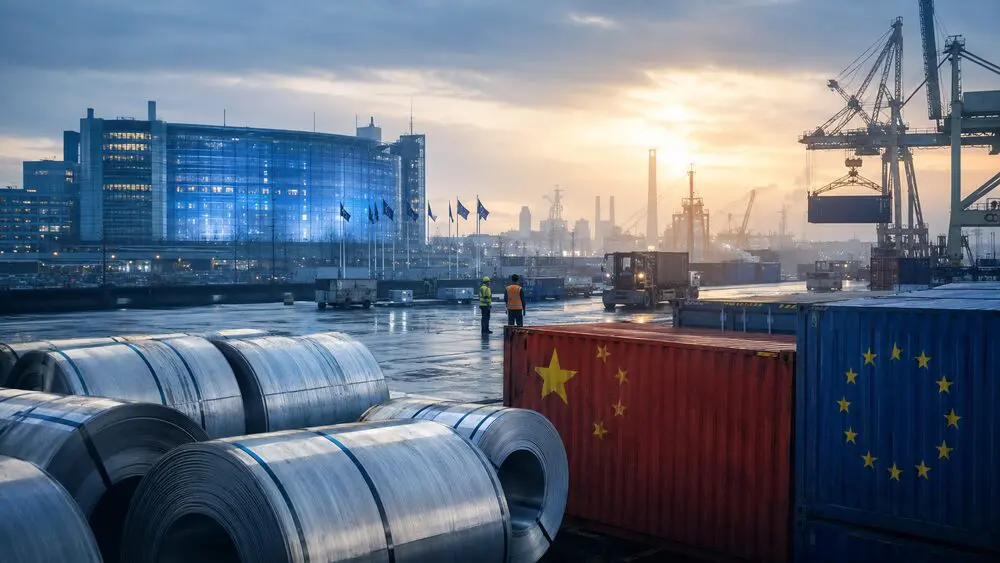
The European Union is stepping up efforts to protect its industries from what it describes as unfair competition from China, introducing a series of tariffs and import restrictions aimed at safeguarding key sectors of the European economy.
EU officials say the measures are designed to counter a surge of low-cost Chinese goods entering the bloc, particularly in industries such as electric vehicles, steel, solar panels, and clean energy technology. European policymakers argue that heavy state subsidies provided by Beijing give Chinese manufacturers an unfair advantage, making it difficult for European companies to compete.
The latest trade actions include higher tariffs on selected Chinese imports and the consideration of import quotas for products deemed to be flooding European markets. EU leaders say the objective is not to halt trade with China but to ensure a level playing field for businesses operating within the bloc.
Supporters of the measures argue that stronger protections are necessary to preserve jobs, maintain industrial competitiveness, and prevent strategic sectors from becoming overly dependent on foreign suppliers. Several European manufacturers have welcomed the move, warning that continued pressure from cheaper imports could threaten long-term investment and production within the EU.
China has strongly criticized the tariffs and quotas, describing them as protectionist measures that undermine free trade principles. Chinese officials have warned that the actions could damage economic relations between Beijing and Brussels and may lead to retaliatory measures against European exports.
The dispute reflects growing economic tensions between the world’s second-largest economy and the European Union. In recent years, European governments have become increasingly concerned about supply chain security, industrial resilience, and the impact of Chinese state-backed manufacturing on domestic industries.
Trade experts note that the EU faces a delicate balancing act. While policymakers seek to protect local manufacturers, they must also avoid triggering a broader trade conflict that could increase costs for consumers and businesses. China remains one of the European Union’s largest trading partners, making any escalation potentially significant for both sides.
As discussions continue, the new tariffs and import restrictions signal a tougher European approach toward trade relations with China. The measures are expected to shape economic policy debates in Brussels and beyond as governments seek to balance open markets with the protection of strategic industries in an increasingly competitive global economy.