
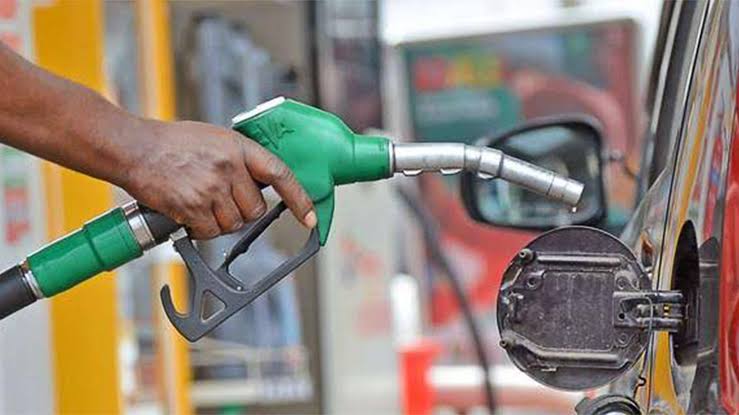
LAGOS — Nigeria’s petrol market shifted again overnight, and motorists heading out on the
third-mainland bridge this morning are going to feel it. The Dangote Refinery has cut its
gantry price for petrol from ₦1,210 to ₦1,159 per litre — a reduction of ₦51, or 4.21% —
and the NNPC, MRS, and AP filling stations are already repricing.
The new Dangote rate works out to roughly US$0.90 per litre at the official exchange rate. A
Lagos depot survey this morning put wholesale prices near ₦1,150. The import-parity
benchmark — what it would cost to bring petrol in from Rotterdam at today’s naira — sits at
around ₦1,063, meaning the local refinery price is now within touching distance of landed
costs for the first time in months.
The downstream reaction has been immediate. NNPC stations in Lagos are selling at ₦1,289,
down from roughly ₦1,370 at the start of the week. Abuja NNPC outlets are at ₦1,325. MRS,
Ranoil and Empire Energy are clustered between ₦1,399 and ₦1,420 in the capital,
according to a Legit.ng survey this morning.
That ₦110 gap between Lagos and Abuja NNPC prices is doing a lot of work. It is the single
clearest indicator of what still breaks in Nigeria’s fuel economy: the further you are from
Lekki, where Dangote’s 650,000-barrel-per-day refinery sits, the more you pay to ride a
logistics chain that was designed for imported fuel, not domestic refining.
For context, it was barely nine months ago that Nigerians were paying over ₦1,400 at the
pump and some stations in the north were quietly rationing. The Dangote facility, Aliko
Dangote’s long-delayed $20 billion gamble, has fundamentally changed the price signal in
the market. Whether it has fundamentally changed the market is another question — the
NNPC still controls the retail network, and depot operators still pocket the difference
between gantry and pump.
The timing matters politically. President Bola Tinubu is weeks away from the formal third
anniversary of his petrol-subsidy removal, the single most painful economic reform of his
presidency. Every ₦51 cut is a line he can read out at the 2027 campaign launch. The
opposition will counter that pump prices are still 400% higher than they were on his
inauguration day — both things can be true.
The macro picture is finally cooperating. The naira weakened only 0.55% against the dollar
at the official NFEM window to ₦1,363.23 — its weakest level in 18 days, but a long way
from the panic of 2024. The black-market rate sits near ₦1,460, a gap that remains the
government’s single biggest headache. Inflation is cooling. And Dangote is now able to pass
through savings instead of absorbing shocks.