
ABUJA – The Central Bank of Nigeria has held its benchmark Monetary
Policy Rate at 23%, announcing the decision Thursday morning and framing
it as a vote of confidence that inflation is finally – and verifiably – easing
after two bruising years for Nigerian households.
The decision from the Monetary Policy Committee, led by Governor Olayemi
Cardoso, had been widely expected but the signalling was closely watched.
For months the question has been whether the CBN would stay the course
on tight policy or begin to pivot toward easing. Today’s statement effectively
splits the difference: no cut yet, but no hike either, and language that
acknowledges the disinflation story.
The economic backdrop had been building to this moment. Headline
inflation, which spent much of 2024 and early 2025 above 30%, has
moderated through the second half of 2026. Food inflation, the single most
politically volatile category, has edged down. External reserves sit at
roughly $54 billion, enough to cover around ten months of imports, Cardoso
confirmed in comments earlier this week.
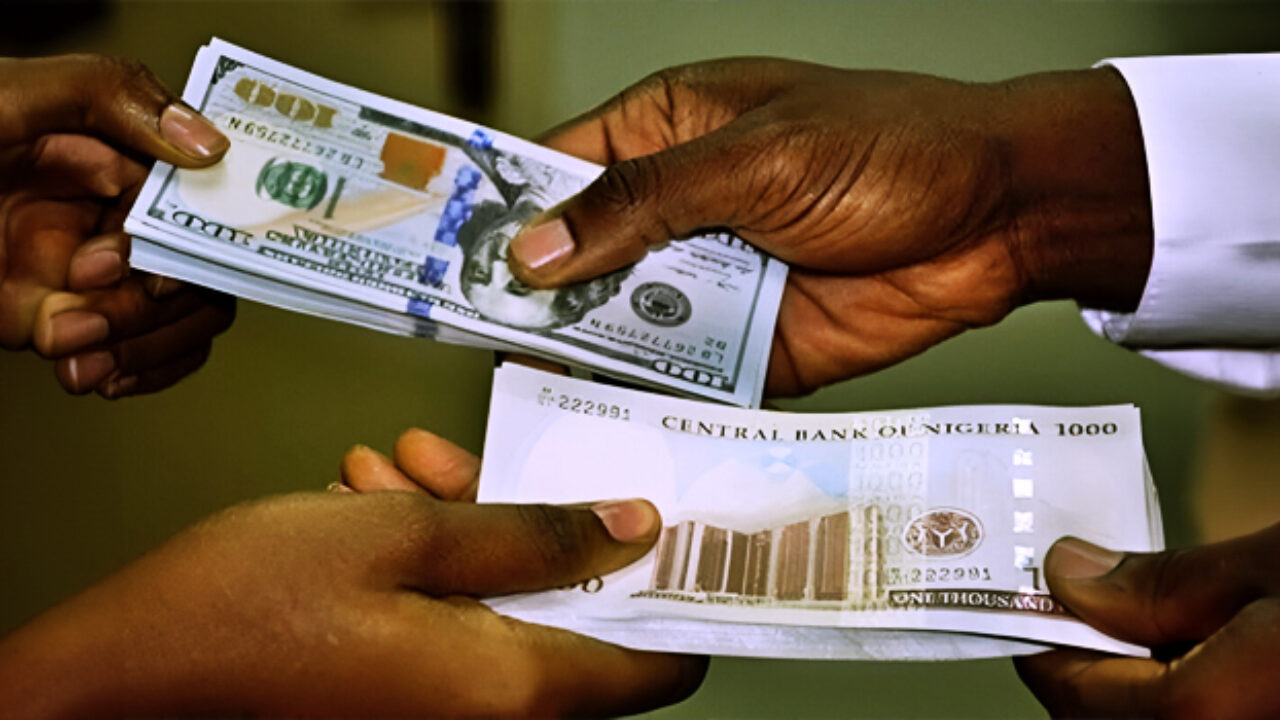
The naira has stabilised. The CBN’s recent decision to raise the weekly
dollar sales limit to BDC operators to $1 million is part of a broader attempt
to drain the premium between official and parallel market rates. The gap
has narrowed visibly over recent weeks, and traders in Lagos say the
parallel market is thinner and less panicked than it has been in years.
For ordinary Nigerians, the mood music is more complicated. Rate decisions
do not immediately change the price of garri, fuel or transport. What they
do change, over time, is the climate in which banks lend and businesses
invest. SMEs in Lagos, Kano and Port Harcourt have been crushed by double-digit borrowing costs. A steady rate signals the CBN is not about to
add more pain, but it also does not yet offer relief.
President Bola Tinubu’s reform programme – the removal of fuel subsidies,
the unification of exchange rates, the opening up of FX markets – has driven
inflation, shaken the naira and tested public patience. Tinubu’s own posture
this week has been part of the story. He asked the House of Representatives
to revise the 2026 budget downward from N68.32 trillion to N65.18 trillion,
a signal that fiscal discipline is being sharpened at the same time monetary
policy stays tight.
That coordination matters. One of the quiet lessons of the past two years is
that monetary tightening without fiscal restraint tends to fail. If Abuja holds
the budget line and the CBN holds the rate, the disinflation story becomes
more credible to foreign investors – who have been slowly returning to
Nigerian naira debt but remain cautious.
Markets responded quickly. The Nigerian Exchange opened with modest
gains in banking and consumer-goods counters. Yields on short-dated FGN
paper were little changed. The naira held its ground in the official window.
The opposition is not letting any of this go unchallenged. Figures aligned
with the Labour Party and PDP are expected to push back on the
“disinflation” narrative, pointing to still-elevated food prices, high
unemployment and the uneven distribution of reform pain. That political
argument will intensify as the 2027 election cycle gathers pace.
Looking ahead, the key questions are two. First, when does the CBN feel
confident enough to cut? Analysts are split on whether the first cut comes in
Q1 2027 or has to wait until the second quarter. Second, can the
government sustain the fiscal posture that makes tight monetary policy
work? The budget revision suggests yes. The security costs and social
spending pressures of a pre-election year suggest the opposite.
For now, the Cardoso line holds. Two years into a painful stabilisation,
Nigeria has something approaching monetary credibility again. That is a hard-won and fragile achievement – and today’s hold is designed to protect it.