

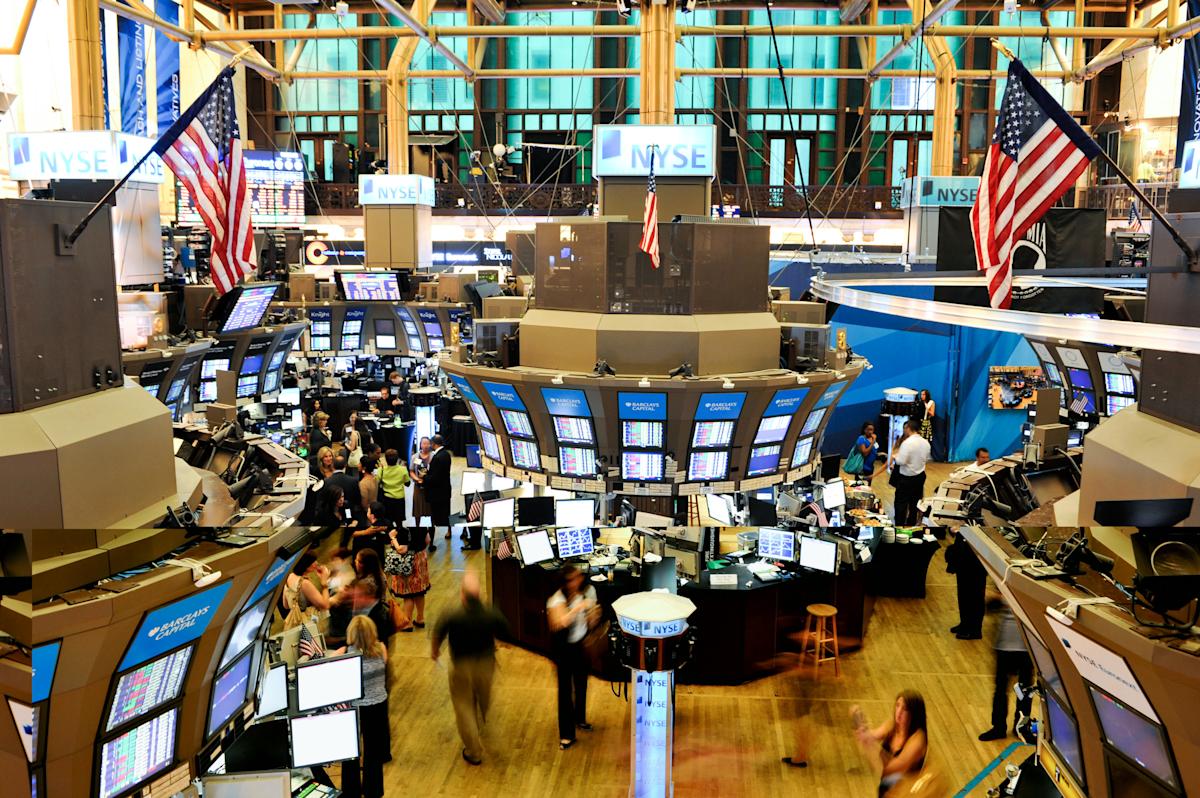
Global markets opened Thursday morning in the red and have carried the pain into Friday, after
Wall Street’s three major indexes closed sharply lower, erasing the gains that followed
Tuesday’s U.S. midterm results. The Dow Jones Industrial Average, the S&P 500 and the
Nasdaq all finished down, in a session that traders described as a hard reset on the narrative that
a decisive political outcome would unlock a fresh leg higher for stocks.
The reversal came after an initial post-vote bounce that lifted equities on expectations of clearer
fiscal direction in Washington. By the time U.S. markets opened again, those expectations were
being repriced. Investors who had bought the early-week rally found themselves selling into
weakness, and futures in Europe and Asia followed suit overnight.
President Donald Trump weighed in publicly, blaming Democrats for the sell-off even as his
own party was celebrating a sweeping midterm performance. The president’s remarks, posted on
social media and amplified by cable news, framed the drop as a political problem rather than a
market one. Analysts on trading desks, however, pointed at a more familiar cocktail: stretched
valuations, uncertain guidance on tariffs, and nervousness about what the new Congress will try
to pass in its first weeks.
Technology stocks took the heaviest hit. The Nasdaq, which has been carrying the broader
market for months on the strength of the AI trade, saw some of its biggest names give back
several percent in a single session. Chipmakers and megacap platforms were hit hardest, with
traders citing both valuation fatigue and a renewed focus on export-control risk after comments
from administration officials earlier this week.
Bond markets moved in the opposite direction. Treasury yields slipped as investors looked for
safety, a classic risk-off signal. The dollar firmed modestly against most major currencies, while
gold ticked higher, extending a run that has quietly made it one of the best-performing assets of
the year.
For emerging markets, the implications are already visible. Currencies across Africa, Latin
America and parts of Asia weakened against the dollar in early trading, and local equity indexes
tracked U.S. futures lower. For economies that import heavily in dollars — a club that includes
Nigeria, Egypt and much of Sub-Saharan Africa — a stronger greenback plus wobbly risk
appetite is a bad combination.
The question for the next 24 hours is whether this is a one-session reset or the start of something
broader. Traders are watching three things: the next batch of U.S. jobs data, any fresh comments
from the Federal Reserve about the path of rates, and whether Trump’s team moves from rhetoric
to action on tariffs. Any one of those could decide whether Friday’s close looks like a buying
opportunity or the opening chapter of a correction What’s clear is that the brief, confident post-election rally is gone. In its place is the kind of
nervous, headline-driven tape that traders know well — and that retail investors tend to find out
about only after the damage is done.
Note: This article is based on wire-service roundups available as of early November 6, 2026
(UTC). Specific index moves and quoted figures should be checked against a live market feed
before publishing.