

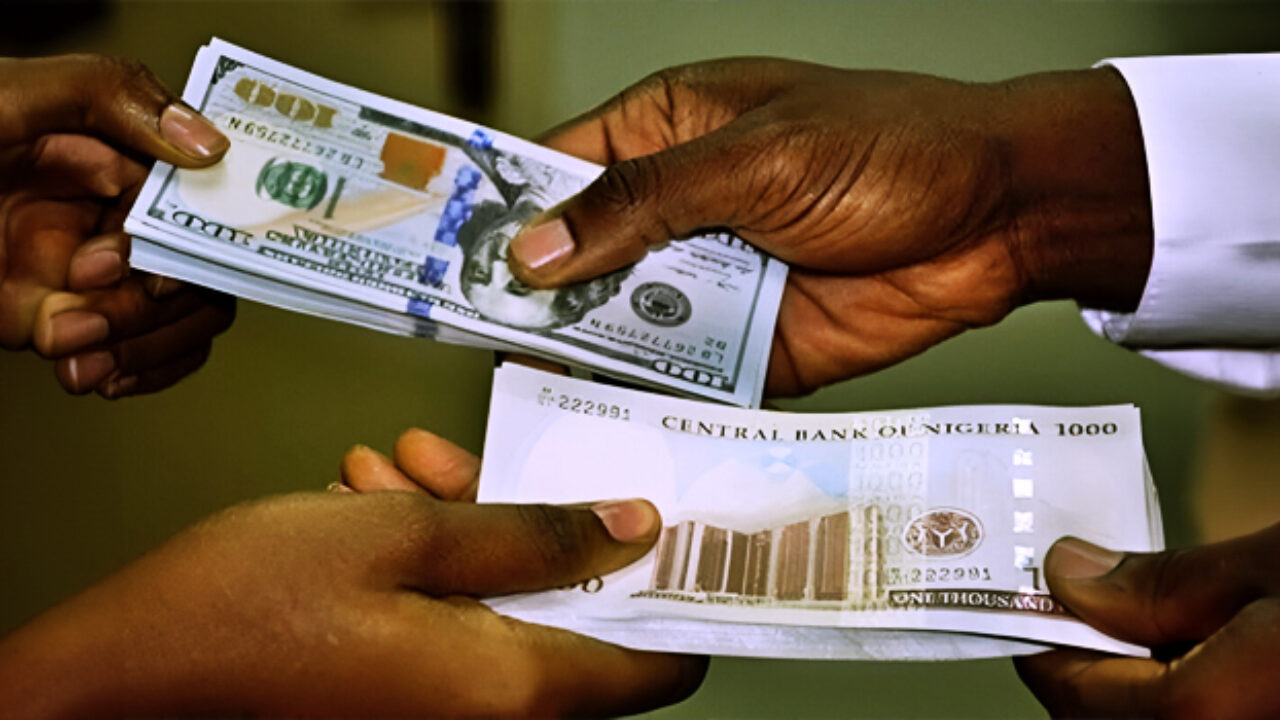
The naira has recorded its sharpest single-day decline in 18 months, closing at N1,365 to the US
dollar on Thursday after shedding N28 in a single trading session. The slide carried into Friday’s
open, where the official window held near N1,331 but the parallel market priced the local unit
sharply weaker, setting a bruising tone for the week ahead.
The move is politically explosive. President Bola Tinubu’s administration has staked much of its
economic credibility on the idea that currency reform would ultimately produce a stronger, more
credible naira. Thursday’s drop, the worst day since April 2025, is being read in Abuja as a signal
that external pressures are outrunning domestic patience.
Several forces collided at once. Global risk-off sentiment driven by the AI stock sell-off on Wall
Street has pushed the dollar higher against every emerging-market currency. Oil, Nigeria’s key
export, is on a tear thanks to Strait of Hormuz disruption, but higher global oil prices have not
yet translated into stronger reserves because dollar inflows from export sales trail actual
production and refinery schedules.
The Central Bank of Nigeria, under governor Olayemi Cardoso, has in recent weeks moved to a
350-basis-point rate cut — the sharpest in nearly two decades — in an effort to support growth.
That decision, applauded by businesses tired of double-digit lending rates, is now being
questioned by analysts who argue it loosened policy at exactly the wrong moment for the
currency.
Former President Olusegun Obasanjo weighed in sharply on Friday, saying the sustained
weakness of the naira has deepened the hardship of ordinary Nigerians and widened the ranks of
the poor. His remarks, posted and quickly amplified in the local press, add political weight to a
growing chorus questioning whether the pace of reform is sustainable in an election cycle.
The business impact is immediate. Importers across Lagos, Onitsha and Kano will reprice stock
within hours, and manufacturers who depend on dollar-denominated raw materials are already
quietly adjusting price lists. Airlines operating out of Lagos have resumed warning about ticket
price adjustments, and construction projects reliant on imported cement additives are reassessing
margins.
For households, the direct hit shows up at the pump and in the market. Fuel costs are already
inching higher after months of relative stability. Food prices, especially for imported staples such
as rice, flour, cooking oil and tomato paste, are the next item everyone is watching, and the data
from this weekend’s markets will matter.
The CBN is expected to signal its next move within days, and the real question is whether it will
intervene through fresh dollar sales, tighten liquidity, or simply ride out what it may argue is a temporary external shock. Whatever Cardoso decides, Friday has made one thing clear: for the
naira, the easy part of the recovery story is over, and the hard questions are back on the table.