
Mauritius woke on Wednesday to its second overnight curfew in less than a week as
the Indian Ocean nation reels from its worst civil unrest in a quarter century. Prime
Minister Navin Ramgoolam’s government has extended emergency restrictions
across 15 regions, including the capital Port Louis, in an attempt to contain protests
that have torched police stations and shuttered schools.
What began last week as a demonstration against chronic water shortages and the
soaring cost of living has escalated into open confrontation with security forces. The
flashpoint came on the evening of October 9, when a police officer shot a 27-yearold woman identified as Elodie Thomas while she was driving home from work.
Visiting Indian surgeons extracted the bullet earlier this week; the officer is in
custody.
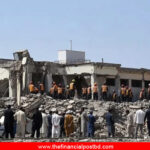
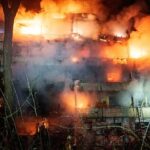
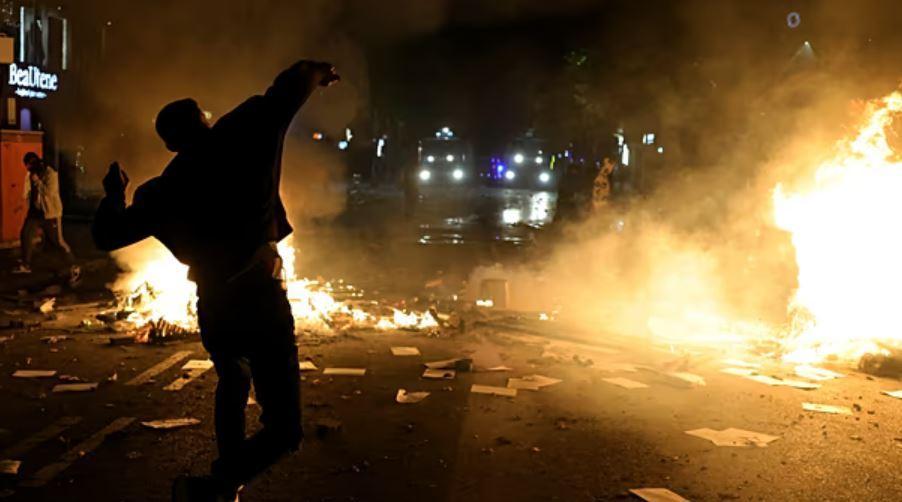
Since then, protesters have burned tyres, blocked main roads, pelted a police station
in Rose Hill with Molotov cocktails and set it ablaze. Business Mauritius, the
country’s main employer group, has urged companies to allow staff to work from
home. All public and private schools remained closed on Wednesday, and public
transport in several districts was suspended.
The curfew, running from 8:30pm to 6am, is the most sweeping public-order
measure Mauritius has imposed in decades. Ramgoolam, a veteran politician who
returned to office late last year, is under mounting pressure to show he can both
restore order and address the structural grievances fuelling the unrest.
Water is at the centre of the anger. Large parts of the island have been subject to
rationing for months, with some neighbourhoods receiving piped water only a few
hours a day. Officials blame a combination of drought, aging infrastructure and
surging demand from the tourism sector, which has rebounded sharply since the
pandemic.
Prices are the other half of the equation. Inflation has eaten into household budgets
at the same time that youth unemployment hovers near 20 per cent. Economists at the University of Mauritius said the twin shocks have radicalised a generation that
grew up being told the island was Africa’s success story.
The reputational damage is already significant. Mauritius markets itself as a stable,
high-income tourist and finance hub, and the images of burning police stations have
rattled operators of luxury resorts on the north coast. Several European tour groups
have paused new bookings pending “clarity on the security situation,” according to
industry sources quoted by local press.
Regional reaction has been cautious. The African Union issued a brief statement
urging dialogue, while South Africa, Mauritius’s largest Southern African trading
partner, called for restraint. France, which maintains close ties with the island, said
it was monitoring developments and advised its nationals to avoid non-essential
travel.
Opposition leaders have accused the Ramgoolam government of using force to mask
policy failures. “You cannot curfew your way out of thirst,” one opposition MP told
local radio on Wednesday morning. Government ministers counter that criminal
elements have hijacked legitimate protests and that order must come first.
Diplomats on the island said the next 48 hours will be decisive. If the curfew holds
and police avoid further casualties, tensions may ease enough for serious
negotiations on water tariffs and emergency price supports. If another shooting or
heavy-handed crackdown occurs, Mauritius could tip into a prolonged crisis unlike
anything it has seen since the ethnic riots of 1999.
For many Mauritians, the deeper worry is that the government has lost the trust of
its citizens. “They tell us to be calm,” a 22-year-old protester told reporters in Rose
Hill. “But they do not open the taps.”