

The White House is actively weighing a three-day burst of intensive airstrikes on Iran, according to a
New York Times report that surfaced overnight and is dominating foreign-policy desks on Friday
morning.
The reported plan would stop short of the longer 10-to-14-day campaign military planners had
previously drafted to cripple Iran’s missile capability. Instead, it envisions a sharp, concentrated
series of strikes designed to force Tehran back to the table and demonstrate escalation dominance
without committing US forces to an open-ended war.
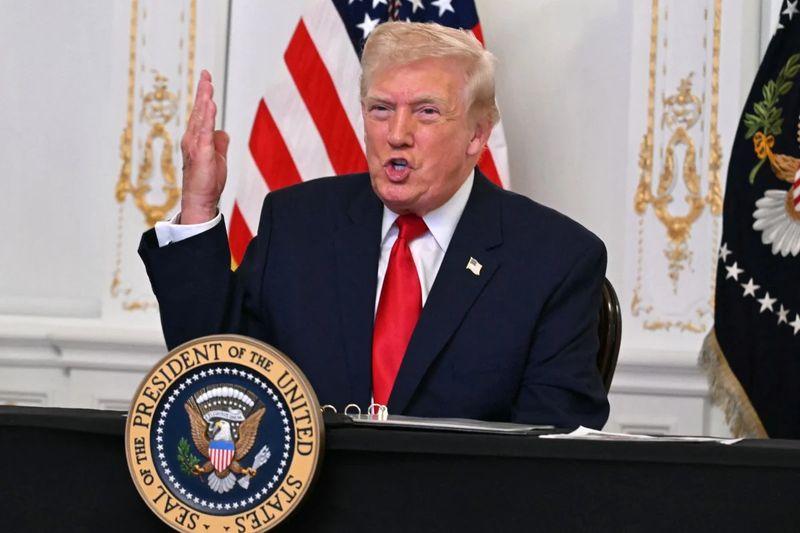
The reporting lands just as President Donald Trump told journalists in Washington that the United
States will not attack Iran before next month’s midterm elections — a public line that appears
carefully calibrated to buy political room while military options stay on the shelf. Analysts reading
the two signals together say the message to Tehran is unambiguous: the clock is running, and the
pause is political, not strategic.
Overnight, US officials also pointed to a renewed uptick in Iranian drone and missile activity across
the preceding 72 hours, which they cast as the trigger for revisiting the strike menu.
A compressed three-day operation would try to achieve three things at once: degrade Iran’s
remaining missile stockpile, send an unmistakable deterrent signal, and avoid the political cost of a
prolonged air war ahead of a tight election cycle. Pentagon planners have reportedly argued
internally that a shorter window reduces the risk of mission creep and limits the opening for Iranian
proxies to retaliate against US forces in Iraq and Syria.
Critics inside the administration warn that a three-day campaign may not be enough to meaningfully
set back Iran’s capabilities, especially if hardened missile sites and underground facilities are
prioritised. ‘You either go big or you don’t go,’ one former defence official told reporters.
Oil prices nudged higher in early Asian trade on the back of the reports, extending Thursday’s rally
that already dragged US equities lower. Shipping sources say insurance premiums on tankers transiting the Strait of Hormuz have begun to tick up again — a leading indicator the market has
watched closely since the summer escalation.
In the region, Gulf capitals are pressing Washington for advance warning if a decision is taken,
worried about retaliation on energy infrastructure. Israel, which has been coordinating closely with
the United States, is said to be on heightened alert