

South Africa’s Department of Home Affairs has withdrawn the controversial asylum directive that
triggered violent anti-immigration protests this week, in an abrupt reversal confirmed in the early
hours of Friday morning.
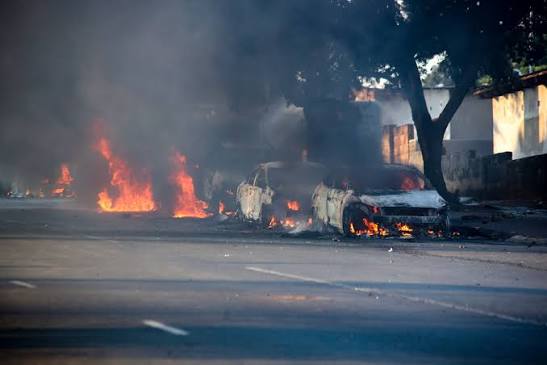
At least 24 vehicles were torched and foreign-owned businesses looted across Soweto and Durban in
the lead-up to the climbdown, according to police tallies cited by local outlets. Groups carrying sticks
and sjamboks had been turning foreign nationals away from Home Affairs offices for most of the
week.
The withdrawn directive, signed by acting director-general Thulani Mavuso on 28 September, had
instructed refugee reception officers to accept asylum applications from anyone seeking protection
— including people who entered the country illegally or missed statutory deadlines. It was issued to
implement a July Constitutional Court ruling that struck down key sections of the Refugees Act.
By pulling the directive, the department has effectively frozen the implementation of that ruling
while it searches for a politically survivable version. Minister Leon Schreiber’s office stressed earlier
in the week that the directive had not been a political decision but a legal obligation — a line the
department will now have to defend to the courts, not to voters.
In Soweto, where cars burned on Thursday night, residents told reporters the retreat does not undo
the damage. ‘They waited until the township was on fire,’ one resident said. Civil-society groups
working with migrants warned that withdrawing the directive leaves asylum seekers once again in
legal limbo, exposed to arrest and deportation despite the Constitutional Court’s ruling in their
favour.
Anti-immigration organisers, meanwhile, claimed victory and signalled they would keep pressure on
Home Affairs offices until a tougher policy is published.
The crisis is the most serious test yet of the Government of National Unity’s immigration posture.
Unemployment near 33 percent, pressure on municipal services, and a long-simmering backlash
against undocumented migration have made asylum policy electorally radioactive. ActionSA and
other opposition parties had warned the directive would ‘deepen the immigration crisis’; the ANCDA coalition has now, in effect, agreed.
Business groups are watching nervously. Looting of foreign-owned shops in 2021 cost the economy
an estimated R50 billion; even a small repeat would hit Gauteng and KZN retailers already struggling
with weak consumer deman
The courts will have the final say. Human-rights lawyers have already signalled they will go back to
the Constitutional Court if Home Affairs fails to implement the July ruling in another form within
weeks. In the meantime, refugee reception offices in Durban and Johannesburg remain tense, with
police deployed and queues of asylum seekers sleeping outside.
For President Cyril Ramaphosa, the overnight U-turn offers short-term calm but no strategy. The
country still has a court order to implement, a xenophobic street movement to contain, and a border
system almost everyone agrees is broken.