
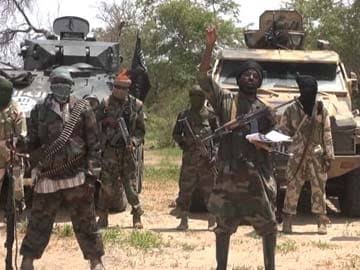
The Nigerian government is reported to have reached a secret three-month ceasefire arrangement with Boko Haram as part of negotiations that led to the release of 360 civilians abducted from Ngoshe in Borno State, according to an investigation by The New Humanitarian.
The report, published Monday, said the ceasefire had been in effect since June and could be extended for another 40 days. Three people with contacts inside Boko Haram, including some with links to senior commanders, reportedly confirmed the existence of the truce.
Residents in the Ngoshe area also told the publication that Boko Haram attacks had stopped since the reported agreement took effect. The alleged arrangement has not been publicly acknowledged by the Nigerian government.
The 360 civilians were among hundreds abducted during a Boko Haram attack in March in the Ngoshe area, near the Mandara Mountains in southern Borno. The Nigerian military announced in June that it had rescued the captives following an intelligence-led operation involving special forces and other security personnel.
At the time, however, the Borno State Government firmly denied reports that ransom had been paid for their release. Commissioner for Information and Internal Security Usman Tar said the victims were rescued through military operations supported by intelligence from the Department of State Services.
The new report alleges otherwise, claiming that the negotiations included a payment of ₦5 billion, or about $3.7 million, to Boko Haram. The Nigerian government has denied making such a payment.
The allegations are particularly sensitive because Nigerian authorities have publicly maintained that they do not negotiate with terrorist groups. Boko Haram is officially designated as a terrorist organisation, and President Bola Tinubu’s administration has repeatedly emphasised military action as the principal response to the insurgency.
The reported ceasefire also appears to involve only Boko Haram and not ISWAP, its rival jihadist faction. Fighting between the two groups has continued, according to the investigation.
The revelations have reignited debate over whether negotiations could provide a temporary route to reducing violence in northeastern Nigeria or instead allow armed groups to regroup.
Security researchers cited in the report cautioned that a temporary truce does not necessarily amount to a sustainable peace agreement. There are also concerns that payments to insurgents could create incentives for further kidnappings and demands.
For communities around Ngoshe, the reported pause in attacks could offer much-needed relief after years of violence and displacement. But the conflicting accounts over how the 360 civilians were freed, and whether money changed hands, are likely to fuel further demands for transparency from Abuja.
The Nigerian government has yet to publicly confirm the reported ceasefire.