

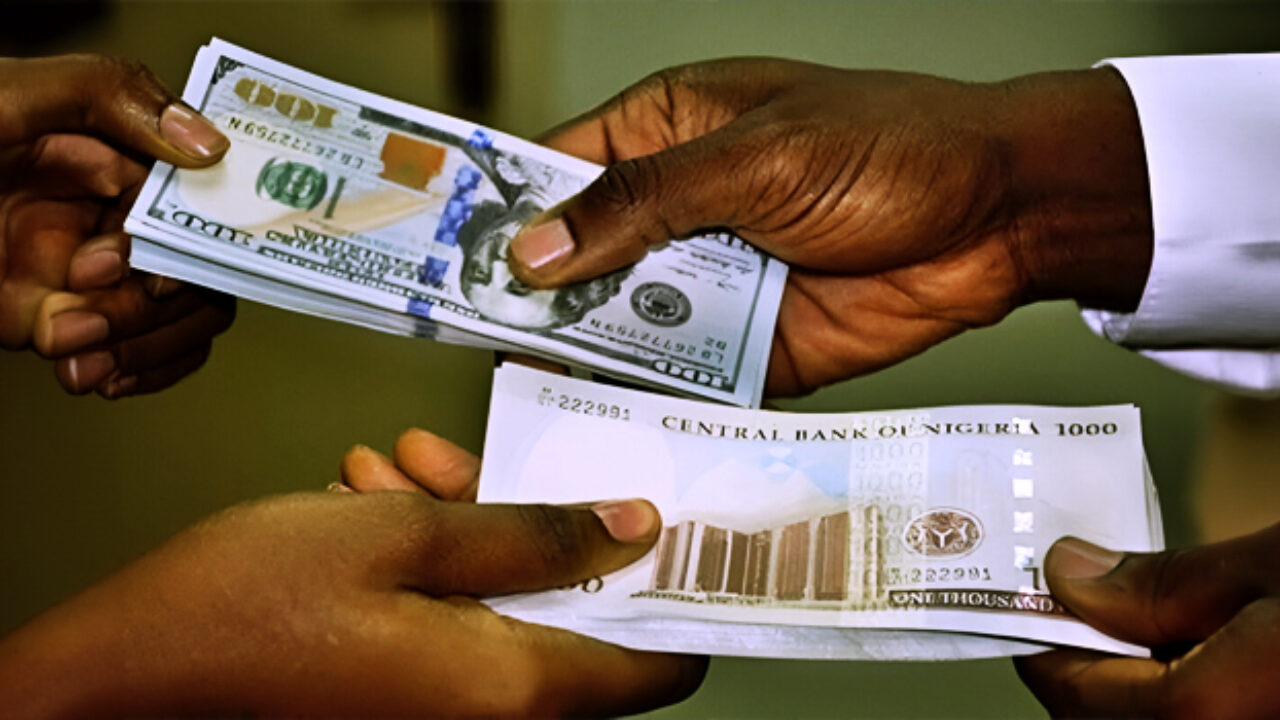
Nigeria’s naira is on track to record its strongest annual gain against the US dollar in at least eight years, as stronger foreign-exchange inflows from oil earnings and remittances improve dollar liquidity in the economy.
The currency has appreciated by about 8 per cent so far in 2026, continuing a recovery from the sharp depreciation experienced after Nigeria’s foreign-exchange reforms in 2023 and 2024. The naira traded at about ₦1,328.92 to the dollar on September 2.
Analysts surveyed by Bloomberg expect the currency to strengthen further, forecasting an average year-end rate of around ₦1,290 per dollar. If that projection is realised, the naira’s gain for the year would approach 12 per cent, giving it its strongest annual performance since at least 2018.
The recovery has been supported by increased supplies of dollars into Nigeria’s foreign-exchange market. Higher oil prices have boosted the country’s export earnings, while remittances from Nigerians living abroad have provided another important source of foreign currency.
The stronger dollar supply has helped ease some of the pressure that has weighed on the naira since the government and the Central Bank of Nigeria introduced major changes to the foreign-exchange system.
Recent trading has also shown continued improvement. On September 2, the naira strengthened by ₦2.74, or 0.21 per cent, to close at ₦1,326.69 per dollar in the official market, compared with ₦1,329.43 in the previous session.
The currency’s gains are particularly notable because Nigeria is heading towards the 2027 general elections, a period that traditionally creates additional demand for dollars and can increase pressure on the naira.
However, analysts say stronger external earnings and improved foreign-exchange liquidity could provide some protection against those pressures.
The naira’s recovery also offers potential relief for businesses and consumers. A more stable currency can reduce the local cost of imported goods, ease pressure on companies that depend on imported inputs and improve investor confidence.
Still, the outlook remains dependent on oil prices, foreign-exchange inflows, monetary policy and political developments ahead of the elections.
For now, the naira’s performance represents a significant turnaround after years of steep losses. If current conditions persist through December, 2026 could become the currency’s best year against the dollar since 2018.