

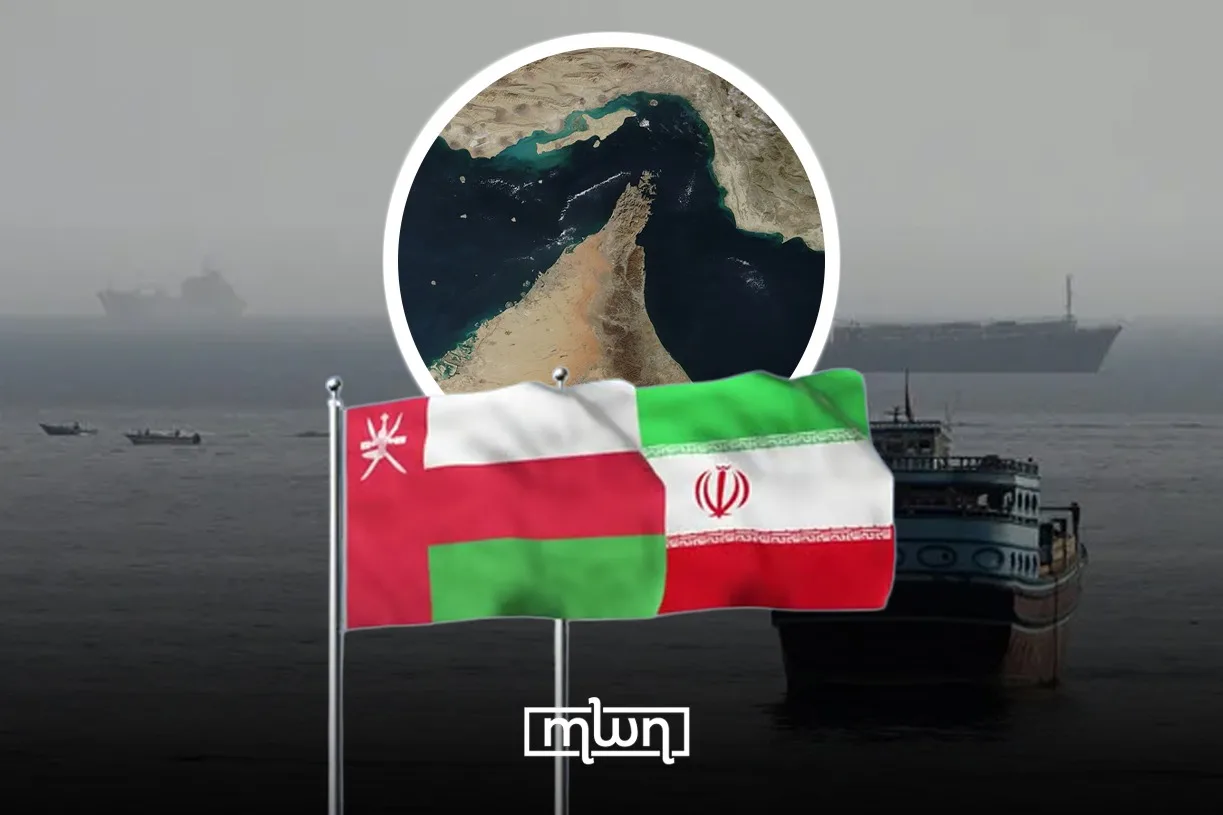
Iran and Oman are discussing a proposal to charge fees of up to 7% of cargo value on ships transiting the Strait of Hormuz, as negotiations continue over reopening and managing one of the world’s most important maritime trade routes. (The Guardian)
According to officials familiar with the talks, Iran is seeking to impose charges of between 5% and 7% on cargoes passing through the strategic waterway, while Oman is reportedly advocating for a lower fee of around 3%. The United States is said to oppose any mandatory transit charges. (The Guardian)
The proposal forms part of broader negotiations between Tehran and Muscat following months of disruption in the Strait of Hormuz, a vital shipping corridor through which a significant share of the world’s oil and liquefied natural gas exports normally passes. (The Wall Street Journal)
Iran and Oman have already reached a preliminary understanding on the geographic coordinates of a new shipping route through the strait, although Iranian officials stress that any final agreement remains subject to broader security and political conditions. (The Guardian)
Iran argues that any fees would cover maritime services such as navigation assistance, environmental protection and security for commercial vessels rather than constitute a traditional transit toll. Oman has previously indicated it does not support mandatory passage fees but is open to discussing charges linked to maritime services. (Anadolu Ajansı)
The proposed fee structure has become one of the most contentious issues in the negotiations. Shipping companies, energy traders and importing nations have warned that additional charges could increase transportation costs, potentially pushing up the prices of crude oil, natural gas and other commodities carried through the waterway. (EL PAÍS English)
The Strait of Hormuz remains one of the world’s most strategically important maritime chokepoints, linking the Persian Gulf to the Gulf of Oman and the Arabian Sea. Any change to its operating regime is likely to have significant implications for global energy markets and international trade.
Negotiations are continuing, and no final agreement has been announced. Officials from the countries involved say discussions remain focused on balancing freedom of navigation, maritime security and the economic interests of states bordering the strait. (The Wall Street Journal)