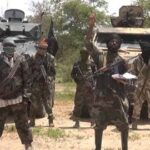

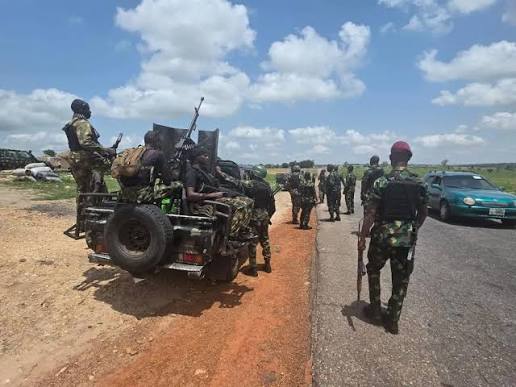
The Nigerian Army has taken several senior terrorist leaders into custody following their surrender to troops during ongoing counterinsurgency operations in Borno State, marking another significant development in the military’s campaign against insurgency in the North-East.
Military authorities said the suspects voluntarily surrendered after sustained air and ground offensives targeted terrorist strongholds across the region. The operation reportedly led to the capture of several high-ranking figures, alongside dozens of fighters and their family members.
According to the Army, the surrendered leaders are currently being held in secure military custody, where they are undergoing profiling, intelligence debriefing, and further investigation. Officials said the process is aimed at gathering vital information on terrorist networks, recruitment strategies, logistics, and the locations of remaining insurgent camps.
The military noted that intelligence obtained from the detained commanders could prove crucial in planning future operations and dismantling the operational capabilities of terrorist groups still active in the region. Authorities also emphasized that all surrendered individuals would be handled in accordance with established legal and security procedures.
The latest development follows months of intensified military operations across Borno and neighboring states, where troops have continued to destroy insurgent hideouts, recover weapons, and encourage defections through sustained pressure on terrorist groups.
Security analysts say the surrender of senior commanders represents a strategic gain for Nigeria’s counterterrorism efforts, as experienced leaders often possess critical operational knowledge that can assist in preventing future attacks and disrupting extremist networks.
While welcoming the progress, experts caution that the insurgency remains a serious security challenge despite recent successes. They stress that continued military operations, improved intelligence gathering, and effective rehabilitation programmes will be essential to achieving lasting peace in the North-East.
The Federal Government has maintained that both kinetic and non-kinetic approaches remain central to its strategy for ending terrorism. Alongside military operations, authorities continue to implement deradicalization and reintegration programmes for individuals who renounce violence, while ensuring that those implicated in serious crimes face appropriate legal processes.
As investigations continue, the Army says operations against remaining terrorist elements will continue across the North-East, reaffirming its commitment to restoring lasting peace and security in communities affected by years of insurgency.